Memories – 回忆

I have been thinking about my mom lately.
I find myself thinking of random memories of her. That time she pretended to cut my hair and just snipped some bangs, waved her arms around my head while snapping the scissors, and then asked me to look in the mirror – I told her it looked great. My best friend, with his view of the whole thing, laughed his head off. The two of us driving at night even though she had a hard time seeing and I had to “be her eyes” so we didn’t hit anything. Music she introduced me to – she’s the reason I love Bon Jovi and anything 80s. Books she and I read and talked about. She is probably a huge reason why I am a teacher today. I’ve been thinking of all kinds of memories. Even little things I said I’d do, like bring home one of those darn Chinese Zodiac stuffed dragons.

She asked about that dragon a few times…

And now the Year of the Dragon is fast approaching. Again.

It is the second time this one is coming around for me while living in China. For each new Chinese New Year, they release these little red stuffed animals that correspond to the Chinese Zodiac. Every year, the style is slightly different. The dragon that first year had the exaggerated cartoon features you would expect, but somehow, it still looked very cool. The ones this year just aren’t as good looking. I have this mental image of it hanging from its suction cup on the kitchen window of that first apartment I lived in, but then nothing else. I must have taken it down when I moved. I have no memory of it beyond that. My mother saw it in a video call and said she really wanted one. By then, the season had passed, and I could not find the dragons anywhere. If I had known about TaoBao (China’s Amazon and Ebay combined) then, I could have found it, no problem. I kept promising her that I would get her an entire set soon. Always soon. I’ll look them up. Next time I visit. You’ll have your dragon.

                     ~~~

It has been almost a year now—eleven months—since my mom passed away due to complications with AML and infections. I still talk to her on WeChat. Send her pictures. I told her about Asher learning to ride his bike. Our summer fun. After he broke his arm, I sent her updates. I catch myself wanting to tell her something interesting or ask her questions. I think, “Mom will know. I’ll just send her a…”

I never did get her that dragon. Jade Buddha necklaces, purses, scarves but never the dragon.

I woke up thinking about that this morning. It has been on my mind for a while, actually—this dragon, hanging from my kitchen window, a cute red thing with wings and big eyes that my mom wanted me to get her. The memory, the way memories do, slips into more recent ones about my mom and even older ones. Memory may be set in time, but life has a way of twisting and turning and stretching and pushing layers of lived experiences around in your mind the way the Earth’s layers can be moved closer or farther from the surface of the crust.  

I tried to get home every two years to see family, especially my mom. I was only supposed to be in China a year, and so it was always a touchy subject she’d bring up at times – When are you coming home? Will I ever see my son again or my grandson? When I got married here and had a child, I brought them home to meet her. My son was three months old, and that trip was during an Ohio winter. Ohio winters are dismal affairs. It was important to be there that first Christmas with my family. That was the only time my mother held her grandson. His age kept us from returning the following year, and then COVID restrictions kept us in China for a few more.

That Christmas trip was six years ago.  

                       ~~~

My mom was diagnosed with Acute Myeloid Leukemia (AML) last year, in November, and due to complications with infections, her battle was short. When she took a turn for the worst, I came home. Due to the exorbitant airline ticket costs right after China opened up and loosened travel restrictions, only I was able to fly from Dalian back to Ohio.

I felt cracked, fractured. I knew why I returned. I knew what it meant.

Unable to say the words, I turned to what I have turned to many times before: books. I did not want to live in my head, in memory, for the twenty-plus hours of travel.

On the flight over, I finished for what might be the fifth or sixth time, The Sun Also Rises. Hemmingway often gives so much, paradoxically so, if you consider his sparse style, but Jake’s “Isn’t it pretty to think so” left me bereft of hope or solace this time.

I wanted something more from that reading. Something I could not name. I wanted to get off the plane with an epiphany that would steel my nerves or calm my heart. I opened my Raymond Chandler collection next. The small worlds of his stories are usually so vast, like falling into a tiny hole in the ground only to find it is this bottomless well. Something stirred as I read a few, but it was more an amplified version of what I already felt: this yearning, seeking sensation. I think Chandler must have felt it, too, and put it there for others to find. I put him away and pulled out my slim Dickinson collection. It has about 180 of her poems organized by themes such as “Life,” “Love,” and “Eternity.” I’ve written on the back cover a few of the poems that I love but that this editor leaves out. This selection usually has what I’m looking for. I must have read every single poem right then and there. If you cannot find a Dickinson poem that matches your state of mind or the occasion, you’re not looking hard enough. But there on that plane, her lines didn’t fill that need I had.  

Due to the infections my mom contracted, her lucidity and coherence was almost nonexistent for about two weeks before I arrived. The doctors prepped me before going into her room. She might not respond to me or recognize me, they said. When I walked in, I didn’t recognize her. She’d lost so much weight and couldn’t hold herself up. All hard angles and sharp points where she used to be smooth, soft.

She stared at the white wall of her hospital room, mumbling something in a whisper while an aide sat in the corner. She’d been trying to take her IVs out and had fallen out of bed a few days before and always needed an aide in her room.

How could this be my mom? She’d video called us that Christmas morning to watch Asher open his gifts. She was at her home, having just gotten back from a hospital stay. She laughed, joked, made squeaky elf voices. We had talked about her plans for New Years…

Right after Christmas, though, she’d gone quiet. For nearly a week I didn’t hear from her. Then on New Year’s Eve she got back. She’d been sent back to the hospital. Infections causing her pain, muscle spasms – Chondritis, she said. As bad as this was on top of everything else, she sounded just like herself. Still able to laugh, complain about Ohio’s weather, talked about her doctors. And then, in a voice message only eleven seconds long, she joked about being so young, that the Leukemia would go away, but that something else would creep up and give her trouble down the road. We talked back and forth until late in the evening, even as 2023 arrived for me and the last day of 2022 ended for her.

And then I didn’t hear from her until January 17th. Three messages, all unintelligible.

M my mmmm MB by one read. Another: X. The third and final message I ever received from her WeChat account: Mp

In the time between our New Year’s Eve conversation and then, my mom’s condition had gone from bad to worse. My brother and family members tried to keep me in the loop, but information was not clear. Things didn’t add up. I couldn’t tell if she was just in a bad stretch – one she could come back from – or if it was something else. No one knew. Or they wouldn’t say. It was early February when my step-dad finally got information that made sense. It is the phone call that brought me home.

And so I was home.

Just then, she looked my way and her eyes lit up. She lifted her arms, and as clear as day, said “Come here and give me a hug.” The aide asked if my mom knew me, and she said, “Well, yeah, that’s my oldest son, Jordan.”  

I hugged my mom and cried. I didn’t want to. I couldn’t help it. She…I was not ready. I guess I hugged her until she, like she used to when I was my own son’s age now, told me, “Don’t cry, my boy. Don’t cry.”  

I was with her for the last three weeks of her life. During this time, she was more lucid and coherent than she’d been in weeks. Her team of doctors couldn’t believe it. She was talking, joking, laughing. I spent as much time with her as I could. I had room and board at the Cleveland Clinic’s Hope Lodge but ended up just staying the night in her room with her, sleeping in the recliner there. In some ways, I felt like a kid again. She and I talked and talked. On February 16, she and I were just chatting, when she took my hand and said, “That’s what I yearn for. I yearn for that time with you boys. Some people complain about their kids – oh, they’re being annoying – and so on, but not me. I love being a mom. It’s been the greatest blessing to just have been your mom and raise you.”

We talked about memories, dreams, and about her cancer. She knew she was dying, but never got angry and never cried about it. I am still in awe of her courage and the peace she seemed to have found. We caught a Rocky marathon on AMC one day, laughed about bad day-time TV, looked at family photos, discussed good books, and ate our favorite Mexican dishes from the restaurant we used to go to when I was younger.

When she slept, snuggled in her blankets, her beanie on her head, huddled in a ball, she looked like a baby. It was hard to reconcile what I saw with what the doctors told us. Sometimes she talked and ate almost like normal. She can’t be dying! Other times, she retreated into herself and her bed. And I knew.

Sometimes she saw things, but mostly knew they weren’t real. She saw her old dog, Dallas, a lot. She loved that poodle so much it’s ridiculous. There were times when she thought she’d been smoking. Would ask me to find the cigarette she dropped in the bed. Once she asked me to make sure all the animals were out of the room because they kept biting her toes. Out of nowhere, she once said, “I’d rather you not use that word, ‘ministry,’ because, you know, the Pope’s dead.” I looked and her and said, “Mom, we’re not Catholic.” A lot of the time, she knew when she was getting loopy. She’d say so herself. I got into the habit of asking the same four questions at the beginning of each day, something I picked up from the nurses: Who am I? What’s your full name? Where are we? When’s your birthday? On good days, she’d tell me to knock it off.

When it became necessary to move from the hospital to a hospice home, I stayed with her there, too. Even in that decision, she showed me what it means to face your life and death with grace.

Her doctors had suspended active treatment for her Leukemia and the serious abdominal infections because of her body’s adverse reactions. Her swollen torso and constant pain made it impossible for them to continue anything more than pain management. They needed her room if she was not going to be receiving treatment, they said tactfully but clearly. The Friday before, five days after I arrived, her team sat the family down for a meeting. They laid out the choices: resume mom’s treatment and cause her more immediate pain and do, in their view, little overall good, or begin transitioning her to hospice care. We had the weekend to think.

My grandparents, my brother, my aunt, my step-dad, we were the family. But in the end, it was me who made the choice. I chose to talk to my mom about it. That Sunday, February 19, when she was crystal clear, surrounded by family and her close friend she’d not seen in years, I talked to her about her choices.

Her friend had just painted her nails. She began talking about her feelings, about waking up some days not knowing where she was and other times knowing. Her voice was low but strong. Always this raspy, airy quality to it. She wasn’t angry, but she knew she didn’t want to feel this way. It was as though she knew she had a choice to make, even though she hadn’t been in that meeting. She started the conversation when it was too hard for us to.  

“Mom,” I said when I realized where her mind and heart were heading, “knowing what you just said, what do you want?”

“I want to go home. I know it’s not going to be much longer. I want to go home. I don’t want to spend my days in here.”

I reminded her that she needed rest and a clean, peaceful place and people watching her. Because of where she had been living before getting sick, that place was no longer an option, and she knew that. But she wanted to go. Get out of the hospital.

“I have another question, okay,” I said. “And I want you to really think about it.”

The words…words I needed to say, would not leave my mouth. In a room full of people, I dropped my head and let the tears fall. It was so important that she help us make this choice, that she understood. And I couldn’t do my part.

“Don’t cry, my boy. It’s okay. Come here.”

I took her hand in mine, or she took mine in hers. The next words I spoke, words I still sometimes hear in my head, came slowly and painfully; her responses, her slow and deliberate answers, I still hear them almost every day.  

“Mom we have two choices, okay. I need you to understand this. Both of them, both mean you’re fighting. Both mean you’re fighting. Here’s choice one. Choice one is that on Monday they try to put medicine in you. They put the stuff you had in a while ago. That means tests and pokes and the other stuff. That’s choice one. That’s Monday. That’s choice one. On Tuesday we’ll know if it’s working. Option two. Option two is Monday we tell them that we don’t like the hospital. We don’t like the shit in your nose. We get out of here. Go to a place where you can be comfortable and be closer to people who love you. That’s where you’ll be when you…Mom. Do you know what you want to do?”

She nodded. Slow. She looked at her hands and then at my brother and back at me.

“It is so hard to choose. The second choice will let me take the end on my terms. Peacefulness. Without all that crap in my face. You know I hate drugs and all that. And the first one, you know, it’s let’s try this and then that. I’m sick of that. Am I jumping the gun here? You know, I don’t think so. I think this will go on and on. And I don’t want to drag you kids through that.”

“Mom, it’s not about us.”

“Well, it is to me. It is to me. It’s always been about that. And I always said that when it was my time, I would not want to drag it out. You know, we talked about that a lot. And I think that if that’s the way I’m supposed to go, then that’s the way I’m supposed to go. Die in my sleep. But at least I’ll be around the people I love.”

She looked around the room then again. At each of us.

“But I never thought it would happen this soon. I’m so young.” She squeezed my hands and smiled. “But you know what? You and your brother bring out the best in me. And Asher will get to,” she laughed at the thought of him, “he’ll get to hold on to it. It’s okay.”

Two days later we moved her into the hospice home.

                      ~~~

As the oldest son, despite all the family around, it fell to me to make many of the final choices. During this painful ordeal, the last things you want to deal with are financial, legal, and logistic details. But you have to. I did the best I could—arranged everything possible, signed papers, made the phone calls. My stepdad, his girlfriend, and my aunt, my mom’s youngest sister, were lifesavers. They helped so much. It would not have been possible – nothing would have been possible – without them. Beyond just being a ride taking me places, my step-dad and his girlfriend were these rocks that just supported me the whole time, kept me moving and my head clear. At some point, my aunt set up a GoFundMe page, and friends and family around the world donated to help cover crazy costs that kept coming up. It was remarkable and incredibly touching.

My aunt is a wonderful singer. She used to sing at family events, and I remember thinking how amazing her voice was. When she had time alone with mom, she sang to her songs they both loved. On one afternoon, close to the end, she and her daughters brought bubbles for my mom. The four of them sat in her room, laughing, and telling stories—and blowing bubbles like kids. My mom had the heart of a child – open and loving and willing to just believe in people. It sometimes got her in trouble or got her feelings hurt, but she refused to change. Live well. Laugh often. Love much. As trivial as it may sound, this kitchen motto was indeed one she embodied without irony or regret.

 I knew I had to return to China. My wife and son were struggling, work was making demands, and the longer I put off buying a return flight, the more expensive it became. It was an impossible decision. I knew that if I left, I would not be there when she passed. No matter what the date was when I bought the ticket, I just knew in my heart that I was not going to be there by her side when she left this world. The thought paralyzed me. I didn’t know what to do. I did the only thing that made sense. I asked my mom for advice.  

She told me to get my butt back home to her daughter-in-law and grandson because they needed me. And when I cried, she hugged me and once again said, “Don’t cry, my boy. Don’t cry.”

I thought coming home was hard. Leaving nearly broke me.

Meetings with hospice nurses were painful. Every night was hard. I stayed with her constantly. When she tossed and turned, the pain flared up, she needed to talk or just be listened to, I was there. People from her life – many I hadn’t seen in years – came by. There was a lot of love.

Her lucidity went in and out more frequently that last week. Even so, she knew me the whole time. There is no doubt. She always knew my name, and that I was her son. Even when she didn’t know where she was, she remembered that.

The last words I spoke to my mother were simple and true.

“I love you so much. I’ll see you again, mom. I’ll see you again.”

                       ~~~

On the flight back to China, I began reading Vonnegut’s The Sirens of Titan. His worldview is one that slaps you around a bit but for a good purpose. I’d never read this one before and hoped for the best. My mind and thoughts were absolutely fried. Exhausted, stressed – these words don’t even cut it. I had to distract myself. A few dozen pages into the book, I put it down. His voice, the absurd qualities of Malachi Constant’s tale, the plot – something about it wasn’t working for me just then.  

For weeks after returning to China and my mom’s passing, I kept searching for a way to make my mom’s death make sense or my feelings…just calmer and clearer. An episode on a literature podcast I like ran a show about a book called Three Roads Back. A book about how well-known writers dealt with grief in their life. I scoured the web for what I could find of the three writers and how they overcame the loss in their lives. Again, the stories and lessons were powerful, but not what I needed. Chimamanda Ngozi Adichie is a favorite of mine, too. I found her Notes on Grief that she wrote after the passing of her father. Her work is so intimate and personal that I read it and was put into her grief. 

And then I found my old high school senior scrap book. It was one of the things I brought back from Ohio. Just looking at it brought back the memories of when I sat at our dining table with my mother and put it together.

This scrap book is something else. My senior English teacher had all of us put together scrap books of our lives as a big project. I started on mine much too late to make anything special on my own. But when I complained that I was probably not going to do well and told my mom about it, she lit up and said she’d help.

Over a two-week period, she and I poured over hundreds of family pictures, wrote up captions, cut out crafty inserts, and brought to life what I now consider a family heirloom. We designed the scrap book to look like an actual novel. We bought a thick binder that looked like an old-fashioned leather book and organized all the pages and sections as chapters. I remember those two weeks that we worked on it. I wanted to go out with my girlfriend and friends. As a sixteen-year-old, I wanted to do just about anything else but work on an arts and crafts project with my mom. But I stuck it out, and we worked side-by-side on this book that is now on the shelf behind me in my office here in China. This is a huge book. It includes pages with my pregnant mother, my first photos, family pictures from trips, holidays, and normal goofiness. Friends and pets and all kinds of stuff are in it. The teacher had us write a series of letters to important people in our lives – friends, siblings, parents. The letter I wrote to my mom is in there.  

When I found it again after getting back from the States, I reread it. The letter and the whole scrap book. And then…

Something happened. Looking at my family, seeing our faces, reading the words I had written when I was younger…and then thinking about my own wife and son now…I saw the story I was already writing with them. The one my mom helped write in her time, the one she shared with me and helped me start. It occurred to me then that the reason I couldn’t find what I thought I needed in books, in literature, was because a part of a story’s power comes from the reader somehow recognizing a piece himself on the page.

 No story encompasses all of what you may feel, and it doesn’t teach you how to deal with your specific troubles or take them away. We find pieces of ourselves in the books that we read because the stories they tell, they’re not always maps or instructions, they’re dreams and nightmares, wishes and hopes. They are messages in bottles. They’re shooting stars that we see and watch with wonder and sometimes fear and awe or curiosity. They are voices that remind us, over and over again, that even though we must do the walking, go through the heartbreak, the excitement, the pain, the loss that life brings, even though we have to go through it ourselves, find our own way, we are not alone.

I am still working through the death of my mother. She was only 55. I thought I had more time with her. I wanted my son to know her. I wanted her to laugh with him and tell him stories about how troublesome his father was when he was a kid. I wanted him to see how cool she was, see all her crazy hair styles and colors, see how brave and loving she was. It is up to me now, to tell her story to him. To bring her to life for him. It is a task I’m up to, even if it still hurts. 

My mom used to read a book a day when I was a kid. We’d get to the line at the bank or the pharmacy, and while my brother and I ran through the aisles, she’d stand there and read. It wasn’t long before I became interested in what she read. I’d ask about the story, and she’d explain what she could. When I was an angsty teen writing short stories and poetry, she encouraged me. She helped me select poems to submit to competitions, and let me bounce ideas off her, even really bad ones that involved vampires (I was fourteen!). She brought the world of literature to me, opened it up and made it a part of my life. I now have a book in hand or in my backpack wherever I go. My son sees this and asks about the stories I’m reading, just like I did. 

All the books I read, searching for a way to process my mom’s sickness and then her death, those could never have done what I asked them to do because I wanted a book to deal with the pain, take it away. Books don’t do that. They walk with you through the pain.

My mom passed away at 9:25 pm, March 4th Ohio time. 10:25 am, March 5th China time.

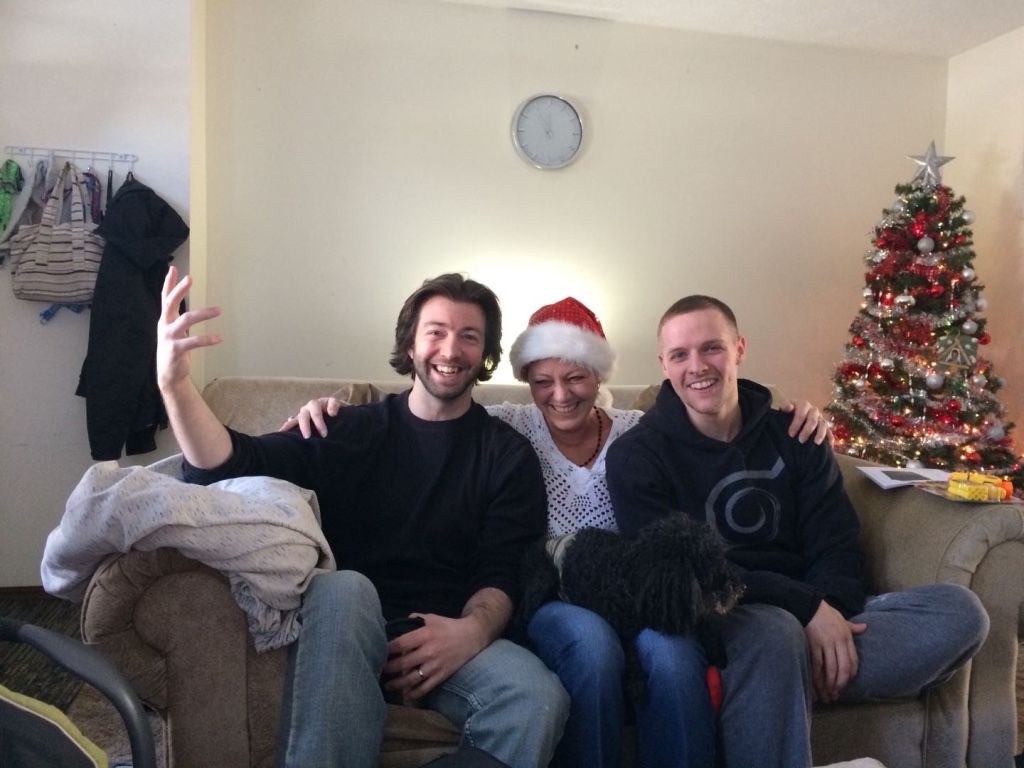
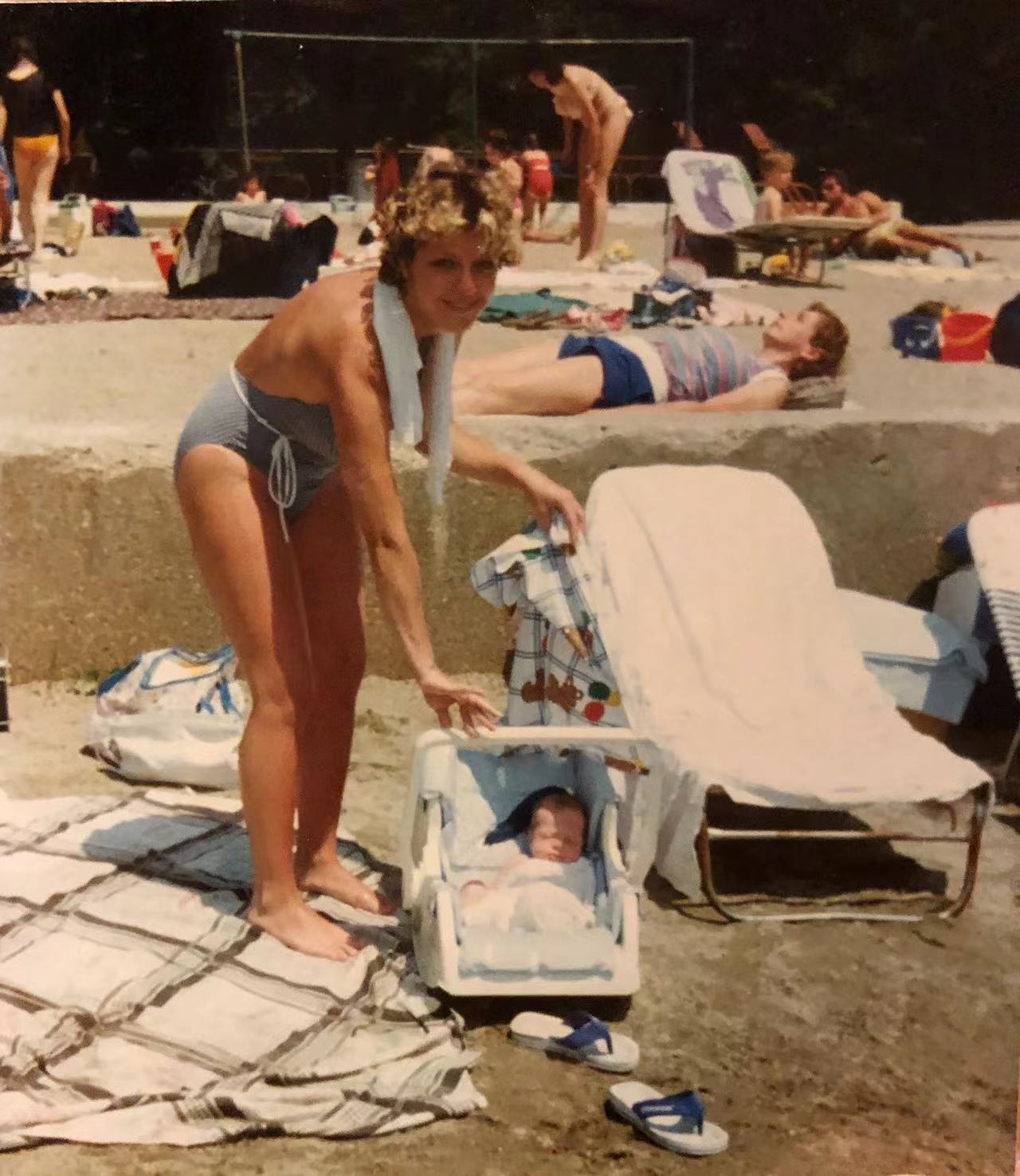
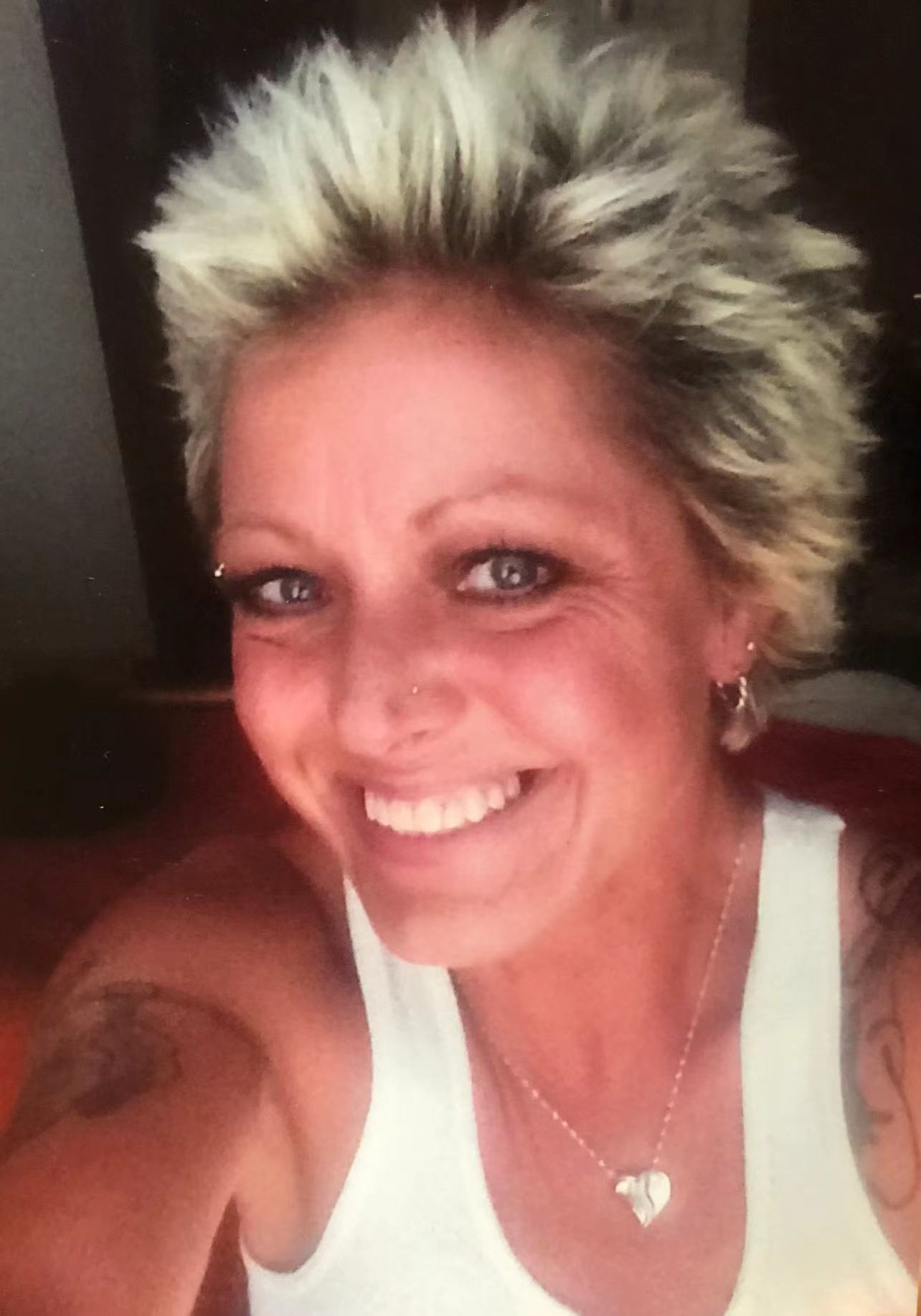
I think about those three weeks I spent at her side a lot. That time is mixed in with all my memories of her now. I see her in her hospital bed, her eyes shining brighter than what you think is possible. My aunt putting lotion on her arms to keep her skin and all the tattoos smooth. I see her hugging my wife and holding my son as a baby. I see her laughing at something ridiculous my brother has said just before the camera takes the picture, the one I have hanging up in my classroom with a bunch of other family photos. She’s telling a sixteen-year-old me that I can get a tattoo if I want. I see her on my step-dad’s Harley, decked out in leather. Her hair is short, blonde, and spikey. I see her in her white wedding dress, styled after a western cowboy theme, standing next to my brother and me as we give her away. I mess up and try to say my line twice before finally getting it right. We’re all traveling to NYC together, hanging out and eating cheap food to save money. I see her dancing in the kitchen to Motown with my brother. I see her fighting through depression, teaching me how to do it, too. I see her excited, standing in line with her sister and me and my wife at Cedar Point, waiting for our turn to ride. I see her smiling and crying as I come out of customs at the airport, arms up, waiting for a hug. I see all these memories and more.

I have been thinking about my mom a lot lately, but I have also been telling my son about her, too. He will know his grandma. That’s a promise I can keep.

New Vocab – 新词汇

Attention class! Attention! I said sit down! You – Yeah, you in the knock-off Louis Vuitton pants and Aape Universe hoodie – stop hitting Seven with the yardstick. Apple, please don’t live stream our class. Grayson, Leonard, Harry – quit playing games and put the phones away. Girls in the back, put your makeup on in the bathroom. Sara, Cindy, Cathy – no more selfies. Who keeps swearing like a trucker? What’s that smell? Who’s eating something with garlic in it? It’s not even nine am.

thumbnail_IMG_2382
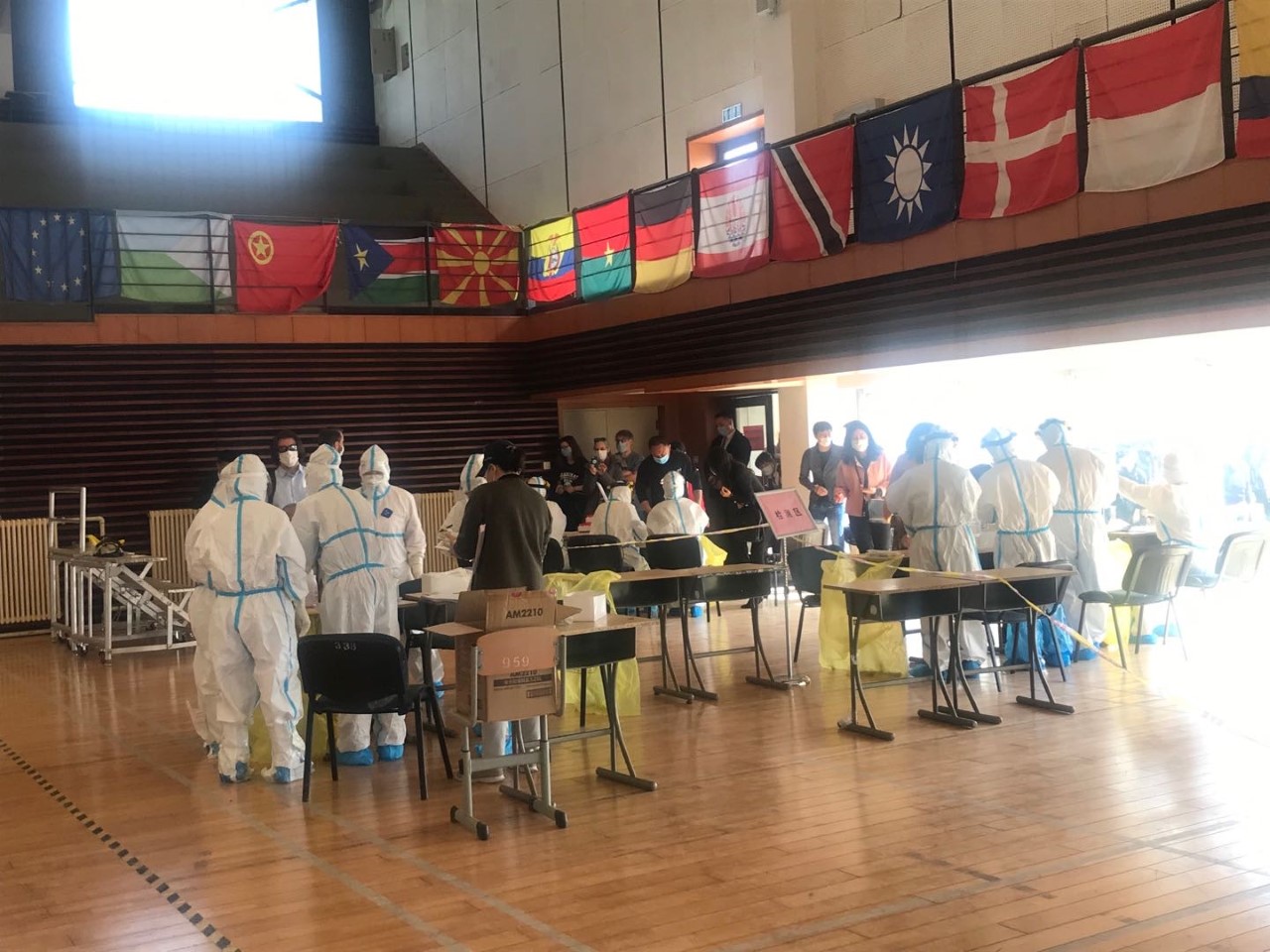
First time getting the COVID-19 test.

Okay! Are we ready to begin?

Let’s practice some vocabulary, shall we. Now these are terms that you might want to be familiar with when talking about the year 2020. I SAID STOP LIVE STREAMING!

Ahem. Here we go.


Helpful individual terms that might show up on the test:

COVID-19 新冠 xīnguān

Virus 病毒 bìngdú

SecondCheckPic2
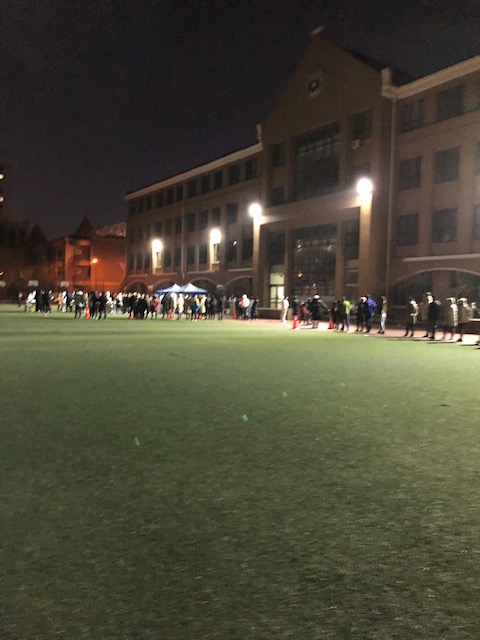
Third Time Getting COVID-19 Test.

Infected 感染 gǎnrǎn

Cases 病例bìnglì

Confirmed / Unconfirmed 确诊/未确诊 quèzhěn/wèi quèzhěn

Symptomatic 有症状 yǒu zhèngzhuàng

Asymptomatic 无症状感染者 wú zhèngzhuàng gǎnrǎn zhě

Pandemic 疫情 yìqíng

Uptick in cases 病例增加  bìnglì zēngjiā

Quarantine 隔离 gélí

COVID-19 test 新冠核酸测试 xīnguān hésuān cèshì

Throat swab 咽拭子采样 yàn shì zi cǎiyàng

Nose swab 鼻咽拭子采样 bí yān shì zi cǎiyàng

Vaccine 疫苗 yìmiáo

Mask 口罩 kǒuzhào

Toilet paper 卫生纸 wèishēngzhǐ

Hand sanitizer 消毒杀菌剂 xiāodú shājùn jì

Temperature checks 测体温 cè tǐwēn

Health App 健康app jiànkāng app

Contagious 传染性的 chuánrǎn xìng

Immune 免疫的 miǎnyì de

Herd immunity 群体免疫 qúntǐ miǎnyì

thumbnail_IMG_0647
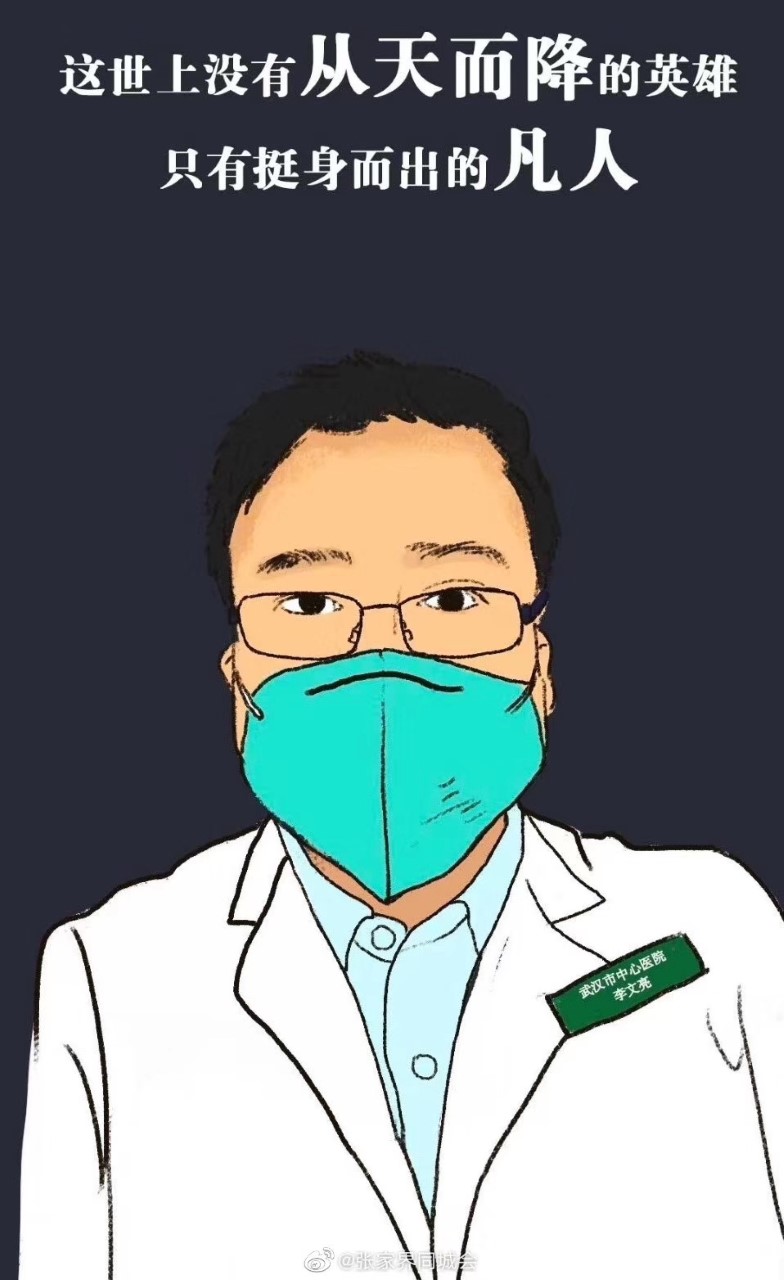
Dr. Li Wen Liang – The Chinese doctor who is widely recognized as being the first to raise the red flag over what would become a world-wide pandemic. Many in China and around the globe consider him a hero. He died due to complications after contracting the virus. Translation of the Chinese text above: There are no heroes from the sky, only men.


Helpful phrases that might show up on the test:


1. So, do you think Starbucks is still open? 所以,你觉得星巴克还营业吗? Suǒyǐ, nǐ juédé xīngbākè hái yíngyè ma?


2. Where the hell are all the masks? 口罩都他妈跑哪去了?Kǒuzhào dōu tā mā pǎo nǎ qùle?


3. Why does this mask make my face look so big? Am I wearing a child’s mask? 这个口罩为啥显得我脸这么大?我戴的是儿童口罩吗?

hège kǒuzhào wèi shà xiǎndé wǒ liǎn zhème dà? Wǒ dài de shì értóng kǒuzhào ma?


4. Why in the world is soap so expensive now? 为什么现在肥皂这么贵了?

Wèishéme xiànzài féizào zhème guìle?


5. If I get the virus could drinking hand sanitizer get rid of it? 如果我感染病毒,喝消毒杀菌剂能杀死病毒吗?

Rúguǒ wǒ gǎnrǎn bìngdú, hē xiāodú shājùn jì néng shā sǐ bìngdú ma?


6. Is the Health App just another covert ploy to monitor citizens? 是不是健康码其实就是另一种控制市民的秘密手段。

Shì bùshì jiànkāng mǎ qíshí jiùshì lìng yī zhǒng kòngzhì shìmín de mìmì shǒuduàn.


7. Do you think the number of reported cases is legitimate? 你觉得公布的感染人数合理吗?

Nǐ juédé gōngbù de gǎnrǎn rénshù hélǐ ma?


8. I bet the virus is a hoax. 我敢打赌病毒就是个骗局

Wǒ gǎn dǎdǔ bìngdú jiùshì gè piànjú


9. I bet the virus is man-made. 我敢打赌病毒是人造的

Wǒ gǎn dǎdǔ bìngdú shì rénzào de


10. I bet the virus is naturally occurring. 我敢打赌病毒是自然产生的

Wǒ gǎn dǎdǔ bìngdú shì zìrán chǎnshēng de


11. I bet the virus is an act of God to punish us for letting the Kardashian family have reality tv shows. 我敢打赌病毒是上帝用来惩罚我们的,因为我们竟然允许卡戴珊家族上电视真人秀

Wǒ gǎn dǎdǔ bìngdú shì shàngdì yòng lái chéngfá wǒmen de, yīnwèi wǒmen jìngrán yǔnxǔ kǎ dài shān jiāzú shàng diànshì zhēnrén xiù


12. I blame the Chinese. 我怪罪中国人

Wǒ guàizuì zhōngguó rén


13. I blame the Democrats. 我怪罪民主党

Wǒ guàizuì mínzhǔdǎng


14. I blame the Republicans. 我怪罪共和党

Wǒ guàizuì gònghédǎng

Health App pic
This is one of the Health App notifications you get…Unfortunately, in this one it notes that there have been confirmed cases in my vacinity within the last 14 days. 

15. I blame aliens. 我怪罪外星人

Wǒ guàizuì wài xīng rén


16. The virus is just a plot to thin out the population. I saw a friend’s post, so I know I can trust this fact. 病毒就是一种减少人口的阴谋,我看了一个朋友的帖子,我可以相信这是事实。

Bìngdú jiùshì yī zhǒng jiǎnshǎo rénkǒu de yīnmóu, wǒ kànle yīgè péngyǒu de tiězi, wǒ kěyǐ xiāngxìn zhè shì shìshí.

17. Where is all the toilet paper? 卫生纸都哪去了?

Wèishēngzhǐ dōu nǎ qùle? 

18. Businesses are closing. 商店都停业了。

Shāngdiàn dōu tíngyèle.


19. Businesses are opening. 商店开始营业了

Shāngdiàn kāishǐ yíngyèle


20. Businesses are closing again. 商店又停业了

Shāngdiàn yòu tíngyèle


21. My climbing gym is closed. 我的攀岩馆停业了

Wǒ de pā

nyán guǎn tíngyèle


22. Seriously! Where is all the damn toilet paper? 开玩笑吗?卫生纸都他妈 哪去了?

Kāiwán

xiào ma? Wèishēngzhǐ dōu tā mā nǎ qùle?

thumbnail_IMG_2054
Just for laughs. Chill out. 

In Summary – 小结

So let’s recap, shall we? Been more than a year and it feels like a recap is in order. All at once now:

China keeps talking about its dream, telling everyone about this dream. Doesn’t give many hints about what the dream is, though. Just really wants people to know it still has a dream.


Wife and I have a baby. Let’s call him Son or First Blade here. First Blade could legitimately be an acceptable translation of his Chinese name, no joke. So, basically, he’s destined to be a badass. Being a Dad is amazing. Going on less sleep not so much. Diapers, burping, feeding, toys, naps, cries, sickness, hugs, rolling, crawling, walking, dancing.

There is a trip last Christmas when we (Xiao Ming, Son, me, and LaoLao—grandma) travel to the USA to visit family. What a crazy time! Son’s first Christmas! Don’t think we slept the whole time. Back to China just when it decides to make a new announcement: Down with the criminal element!

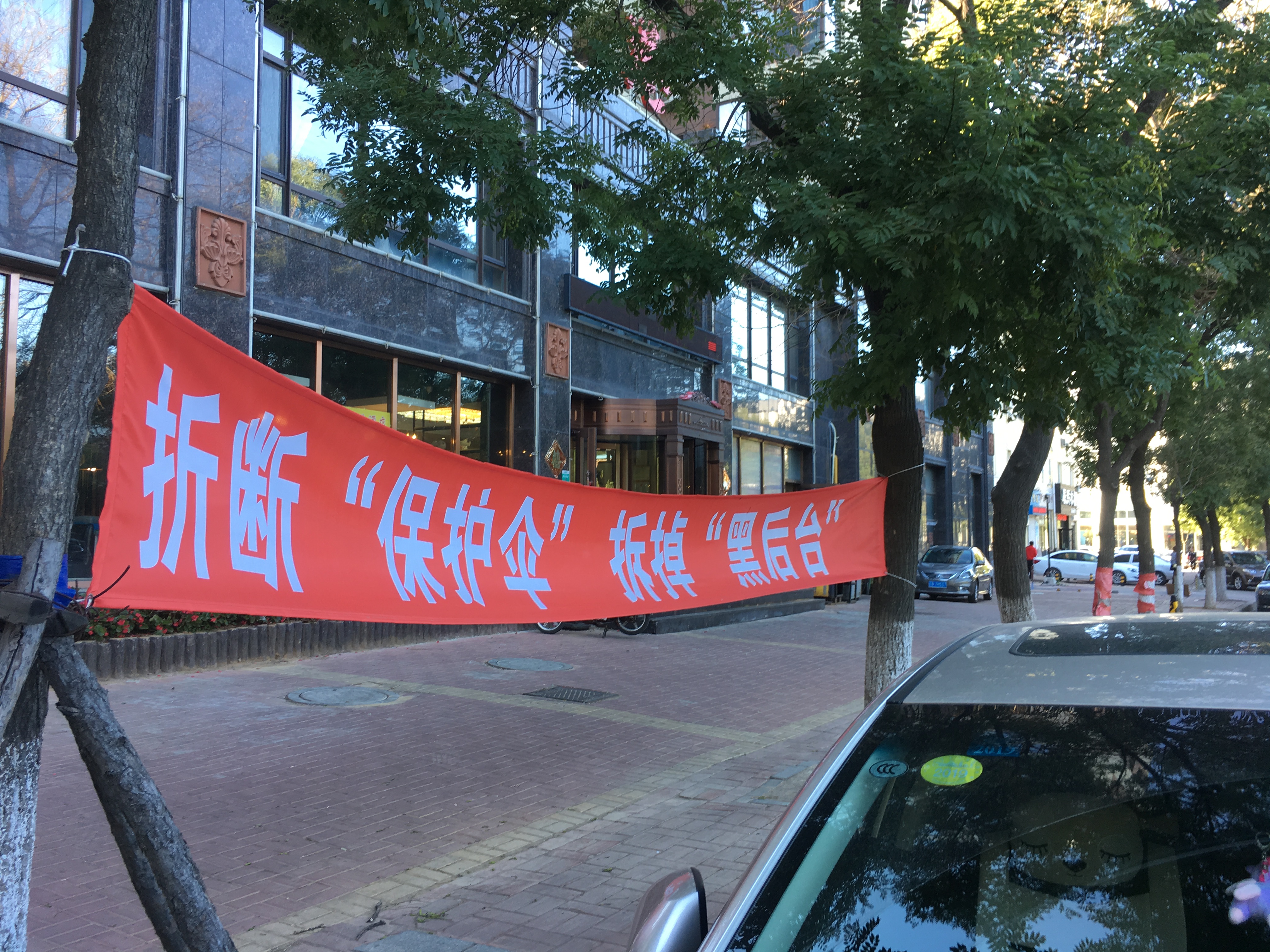
Sounds odd? It should. How does China tell people they mean business? Banners! Everyone gets a banner! Seriously, though: China wants people to know that they need to fight the HeiSheHui (Black Society). Kinda weird that you’re just now focusing on this, China, but whatever. Fight the good fight!

break protective umbrella demolish the black background
One of my favorites. They’re just making up phrases now: “Break the ‘protective umbrella’ and demolish the ‘black background.”

encourage citizens to fight the black evil power and share in the benefits
More or less: “Encourage citizens to fight the black evil and share in the benefits.”


First Blade takes up an inordinate amount of time. Who knew that babies needed looking after? They should write books about this stuff. Oh, they do. I bought and read a few. More diapers, burping, feeding, toys, naps, cries, sickness, hugs, walking, and dancing. Oh, man, the double-edged sword of Chinese in-laws. So incredibly helpful! So incredibly frustrating! Culture is sometimes to blame, but not always. No more Starbucks Saturdays with Xiao Ming. Now it’s all about those kiddie play areas that seemed to have popped up over night. Living room also becomes a miniature play area! Toys everywhere. Somehow a year has passed, Son’s birthday has swung back around. Mama is his first word. Baba comes a bit later, but not before Ball.

Time has been divided in two: Work and Home. At work I get a new room – it’s not bad. Asian Lit all the way! The gym beckons and I take a rain check too often, but then, somewhere in there, I find a Climbing Gym in Dalian. Once a week turns into twice a week during the summer. Two-hour sessions become five and six hour climbing sessions. A new passion! Time is sliced into three, albeit uneven parts, now: Home, Work, Climbing.


America’s President irritates China. China irritates America. Trade War! Yay, fun times for years to come. I begin telling nosy cabbies I’m Canadian. Keeps the conversations civil, I’ve learned. In other news, China’s Social Credit Rating System is still a go. It’s strange. The highly touted One Belt One Road Initiative is still a go, too…sort of? Also not so straight-forward.

xmas-tree.jpg


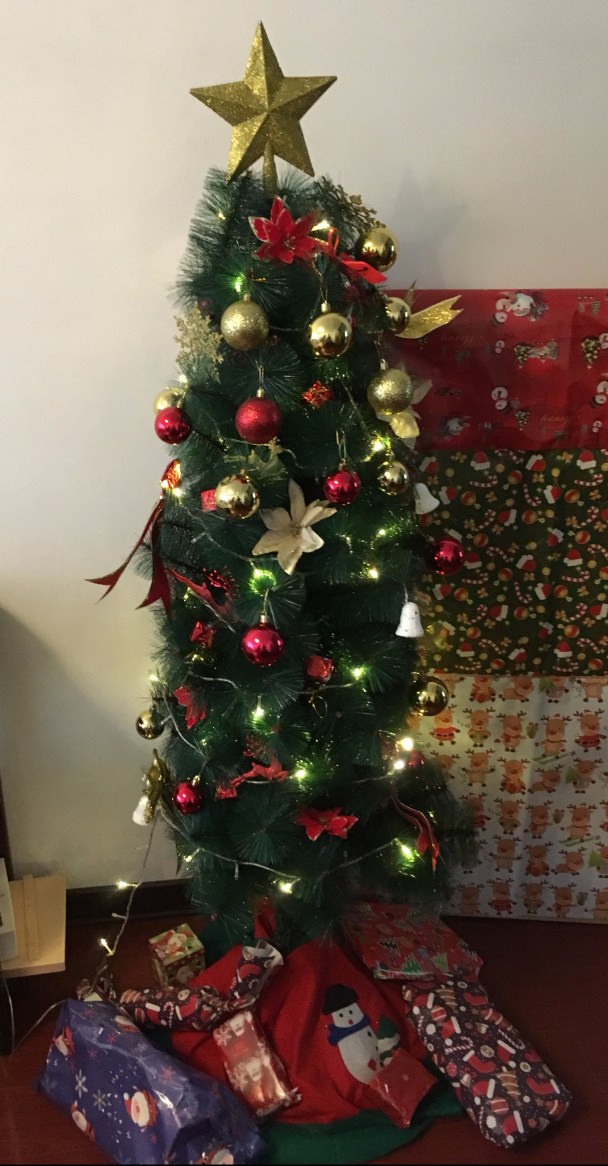
It’s Christmas again! We don’t leave Dalian this time. We get a tree; a first in seven years for me. First Blade loves the ornaments. Too much. Most of them end up at the top of the tree because he keeps taking them off from where he can reach. A new word – Star. Or, the way he says it, Dar. Presents in the morning and playing all day.

Grandma gets it in her head to make burgers for the Christmas meal. They actually turn out delicious: I eat three. First Blade wears his Santa sweater, downloaded holiday cartoons from the sixties play on loop in the background, and in the evening some cousins come over with the family and we hang out until our little guy begins yawning. A bath and bedtime. Merry Christmas!

A Walk in a Street Market – 逛市场

Walking through the market. Jordan Reed.Cover 3

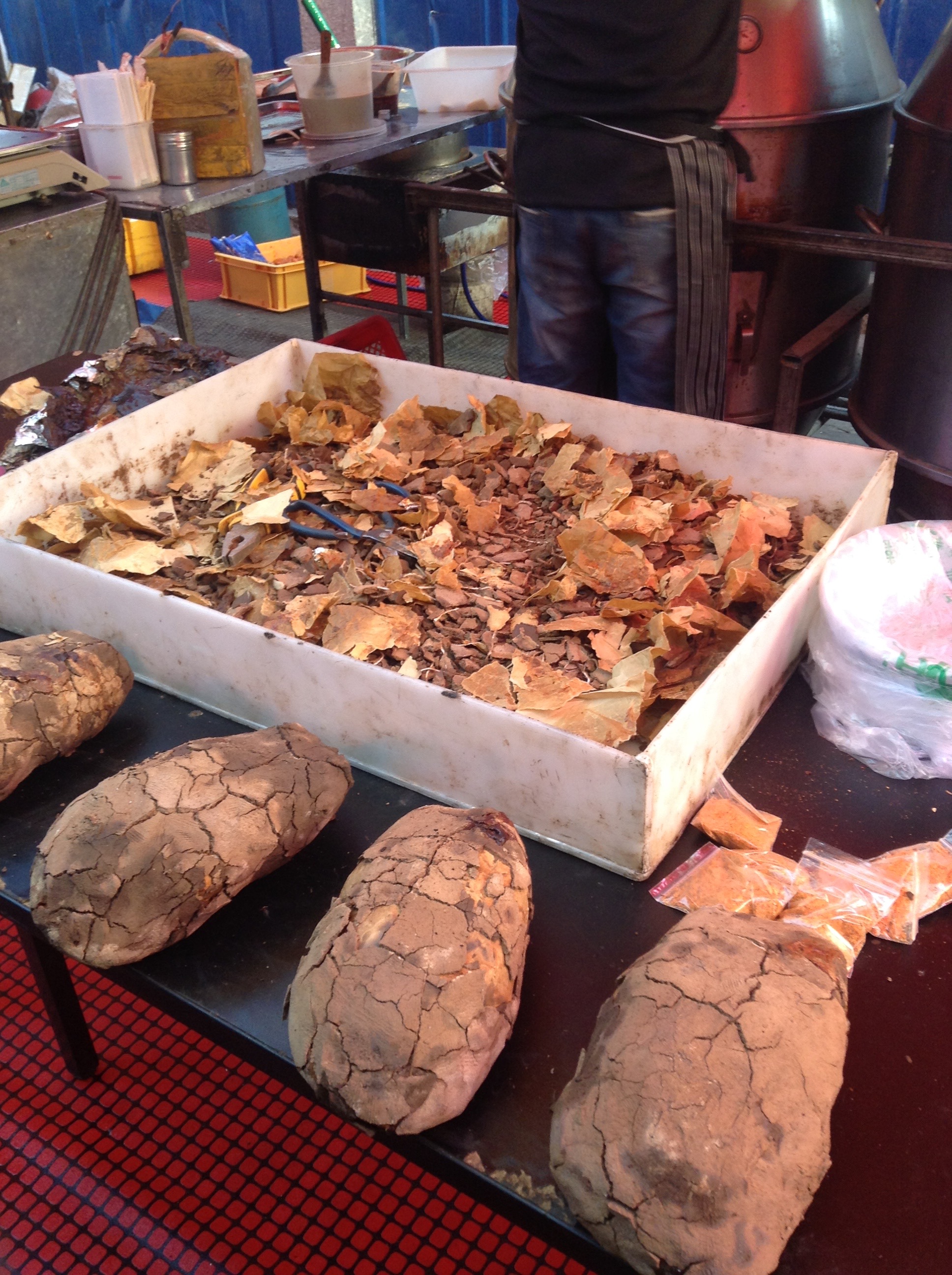
“…Jiaohua Ji or Beggar’s Chicken is up next. The Jiangsu Province specialty is made by covering an entire chicken with clay and baking it for nearly six hours. The legend of its origin says the mud or clay, when cooked and cracked open, removes the bird’s feathers, completely revealing juicy meat.

Not everything is appealing. We shy away from the pig snouts, feet, knees, and ears, and I stare at a gelatinous mound of cubes shaking on a cook’s grill. Chao Menzi, a starch-based Dalian delicacy, is getting fried. Another alarming sight I’ve heard of before catches my attention. Piled high in a kettle are boiling Shi Dan; these eggs have fetuses in them that you have to crunch through. We keep walking…”

Read the whole post herehttp://www.vergemagazine.com/work-abroad/blogs/2079-walking-through-the-market.html

WalkingThroughTheMarket.Jordan Reed.7


WalkingThroughTheMarket.Jordan Reed.6

Yellow Cows and Gray Income – 黄牛和灰色收入

Greyincome.2.Credit.1421consulting.com. Consulting Group
Is Gray Income really just a “Fact of daily life in China”? Credit: 1421consulting.com

You’re late to the game, the lines for tickets are ridiculous. You’re losing hope of getting in and watching your favorite team. Until some dude in a ball cap and jeans saunters over to you and discreetly taps a bag he’s carrying and mumbles, “Tickets, man, need tickets?”

Buying from scalpers is a gamble, no doubt, but I’ll be honest, I did it with a few friends when we almost missed a game in South Korea two years ago. The seats were crappy, but we moved around and made do. Before that shady guy showed up we thought we’d lost out on chance to see the Twins playing, but it all worked out.

China has its own kind of scalpers, and just like everything else in this country full of contradictions, they take it to the extreme. Huang Niu, Yellow Cows, is the Mandarin term used to describe these folks who hang around bus and train stations. We’ve used them here from time to time, but never as a first resort.

黄牛。1.credit.soho.com
No body wants to do anything about the Yellow Cow in the room…. Credit: http://www.soho.com

Where China takes this idea and goes to the nth degree is at the banks, hospitals, and other civil service industries.

About a year ago a video on WieBo (Chinese Twitter) surfaced and brought this issue into the public forum. A young woman and her mother surrounded by patients stand in line at a hospital, and the young woman is yelling at this older lady. The older woman is one of the people who wake up early, get to the hospital and get the first tickets to see the specialist doctors. She’s not sick at all, and instead sells the ticket to the highest bidder. In the video the young woman, who is seeking treatment for her sick mother, yells at the scalper for scamming people like this. The scalper calmly replies that she does all the work. She gets up and comes early. The payment is for her work and time. Very practical, right?

Where this practicality crosses the line into illegal activity is when the hospital staff and the scalper collude on the practice. This is the part that is very hard to pin down because no one admits a thing. The specialists are the ones most want to see, but there are so many people who want to get into see them that it is pretty hard. Unless you get there early enough and are lucky enough. The other way is to know someone who can pull some strings.

That’s when these scalpers use their guanxi or connections with the workers to snare this sought-after ticket, all the while keeping it from other patients who should receive it. Totally wrong and totally illegal. But hard as hell to prove on a case by case basis.

Greyincome.1.Credit.China Medical News
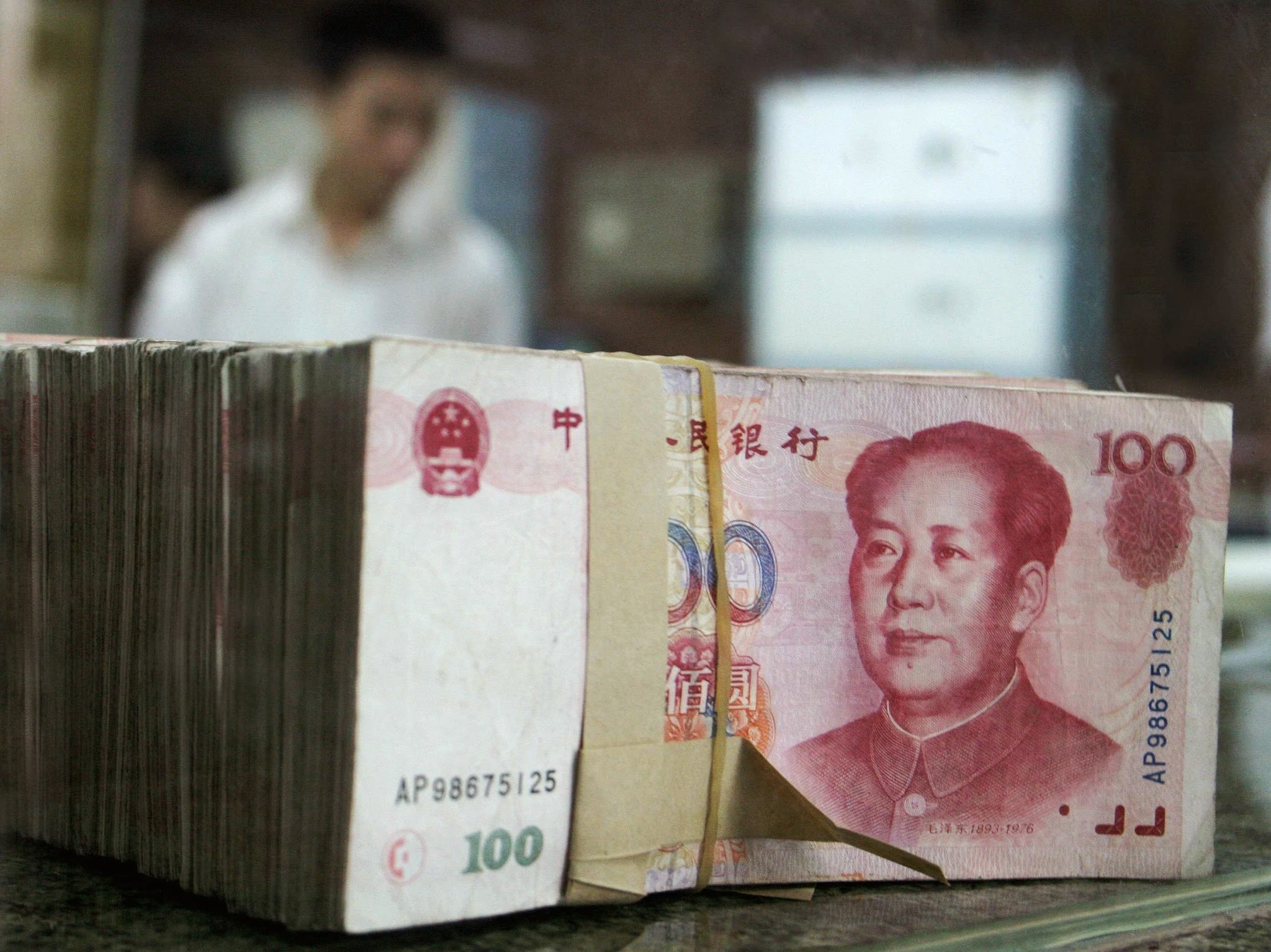
It’s all about those Red Maos.  Credit: China Medical News.com

The banks are another story altogether. More complex, these particular scalpers are called Zhong Jie, intermediaries, and perform more than just getting people quick tickets. The formal sounding name is fitting as you realize how institutionalized the whole system truly is. Read: Corrupt.

These Zhong Jie are customarily middle-aged women, but there are men among their ranks. Here’s how they work and how to engage their services. And why they seem like a necessary evil in the present day China.

lost-in-bureaucratic-maze
Credit: adst.org

In China, any official civil service that a citizen may need to use is rendered into a labyrinthine obstacle course that often leaves a person sweating, tired, and at their wit’s end due to the farce that is bureaucracy here. License, renting an apartment, paying utilities, buying property, banking—doing any of that here can make even the most self-actualized individual want to run into traffic.

Generally speaking, at any official building you can run into Zhong Jies. Stand in line for a minute or so and they will approach you on their own. Look around and you’ll find them standing by doorways or in the corners of the room chatting up the security guards. They are discreet but direct. They tell you what they can do and their price. You take them up on their offer or brave the “system” on your own.

The world of bank loans is how I entered unknowingly into this cycle of institutionalized corruption. A while back, my wife took out a loan to help her folks with a new apartment. We went to the bank and outside the doors a plump fifty-something-year-old Chinese woman with two purses met us. Xiao Ming talked to her respectfully, addressing her by her sir name with the title “Jie”—sister—after. Apparently Xiao Ming had met this woman at the housing bureau office. I had no idea who this lady was, but everyone else in the bank did.

As I quickly found out, she was a Zhong Jie, our intermediary for getting the loan at the bank. In the span of an hour and a half, she cut through a dozen lines, joked with workers while handing them our documents and a bit of money discreetly tucked between forms, and all the while assured us that everything was okay. I didn’t understand much of that morning, but it was clear that our Zhong Jie had saved us hours and hours of standing in lines and the guesswork of unclear instructions that the bank seemed to give just to screw with people. I saw several people waiting in lines, only to get to the counter and be told they’d filled out the wrong paper and needed to do it all over again, and, yes, wait in line. She helped us avoid all the pitfalls. It was like watching a slight of hand act where there were so many hands to keep your eyes on that eventually I just gave up and, when our Zhong Jie declared that a loan agent would call us in a few days, I just chalked it up to magic.

Come to find out later that Zhong Jies spend all their time at banks building up guanxi with bank employees. This is pretty much their “day job.” They do favors, give money, share food, anything to ensure a working business relationship. They are not employees at any of the places for which they provide services. The Zhong Jie then directs her customers to her “friend” and takes her cut (we paid 1,000RMB for our Zhong Jie’s service), and the bank worker also takes his share. But his comes from the loan itself. You see, there are set interests rates on loans, of course. These are annoying, but legal. The loan agent takes an extra percentage from your loan as his personal payment for providing you with the loan. This amount is divided up among the individuals involved in the process, like tip sharing at a restaurant. In Xiao Ming’s case, the bank worker took out 2 percent.
This happens all the time, in many banks around China. And is completely illegal.

Inthenameofthepeople.1.Credit.SouthChinaMorningPost
You can trust us. We don’t know how to smile. Credit: China South Morning Post

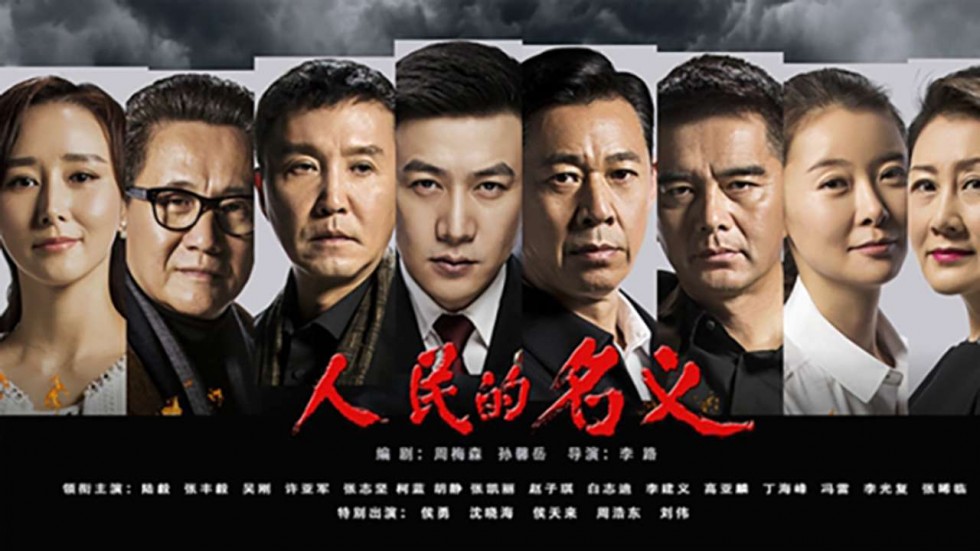
A popular Chinese television show recently shed light on this issue. That’s happening a lot lately with T.V. shows. Love that directors are pushing the envelope more and more! The specific show I’m referencing is called “以人民的名义” – In the Name of the People. This is seriously one of the most popular shows in China right now, and it’s all about the government crackdown on graft. President Xi’s mission of weeding out the corrupt and upholding the “Chinese Dream” has become hot entertainment fodder. I’m sure this is just the beginning of a series of shows where greedy officials get taken down by Party-loving (that’s a capital P) detectives and watchdog citizens. Despite the heavy hand of the Communist Party all over the show, it is still pretty engaging. Relevant to this blog post is the episode where a bank manager gets busted for the exact process I just described, and she claims that it is such a widely practiced procedure that she had no idea it was even considered corruption.

How does that happen? In the case of these new Chinese shows, art is imitating life. At least the gritty, corrupt elements of it. It’s basically a mandate from the government. So then my question is how in the hell do people get so immersed in this septic mess of criminal behavior without even knowing it’s illegal?

This isn’t a new phenomenon. Back in 1978 when China began “opening up” economically, they coined a term for this sort of “off the books” income stream that emerged: Gray Income.

Teaching, tourism, the funeral, and medical industries are all areas that generate substantial “grey income.” This is not an exaggeration. Xiao Ming’s cousins just gave birth, and a few months ago while I drove with them to a hospital they got talking about how they have to give the anesthesiologist and the doctor delivering their babies hongbao to ensure they do a good job. I couldn’t believe what I heard. Questioning them, I found out that, it’s true, they felt they had to give the doctors and nurses red envelopes packed with money in order for them to DO THEIR JOBS. When I lost my cool over this news, everyone in the car just looked at me like I was a naïve child.

One of the cousins tried to give a red envelope to her doctor for a surgery, and when the surgeon turned it down it was a big deal. Turns out, the doctor just needed a favor from this cousin’s husband (who is a police officer) a short time later. Waiving the red envelope fee was her way of ensuring the favor would get done.

I used to live in an apartment where a public school teacher was a neighbor. Every weekend her place was packed with students. All day long I’d hear kids going up and down the hall to one of her weekend “classes.” Moonlighting like this is illegal, but that didn’t bother this teacher. And it doesn’t bother so many others that do the same exact illegal thing.

Some people caught in the cycle, people like those interviewed in this NPR article claim they can’t change the system, and to survive they need to play the game. This “fact of daily life in China” is alarming not because it is happening, but because EVERYONE believes it’s wrong on an ethical and moral level, but believe they can do nothing about it. So nothing changes.

There’s no doubt that people benefit from expedient service using Zhong Jies and Huang Nius. Heck, it’s downright entrepreneurial of them to use their time this way. But they’re near the bottom of the system that goes up and up. And that system is corrupt.

The people at the very bottom are the ones who need those loans, need those workers to do their damn jobs honorably.

The people at the bottom are people like me and my wife. Like you, probably.

Unless you’re a guilty bank worker in China, of course.

Talking With Xiao Ming – 和晓明的对话

LastNightOut.JordanInChina

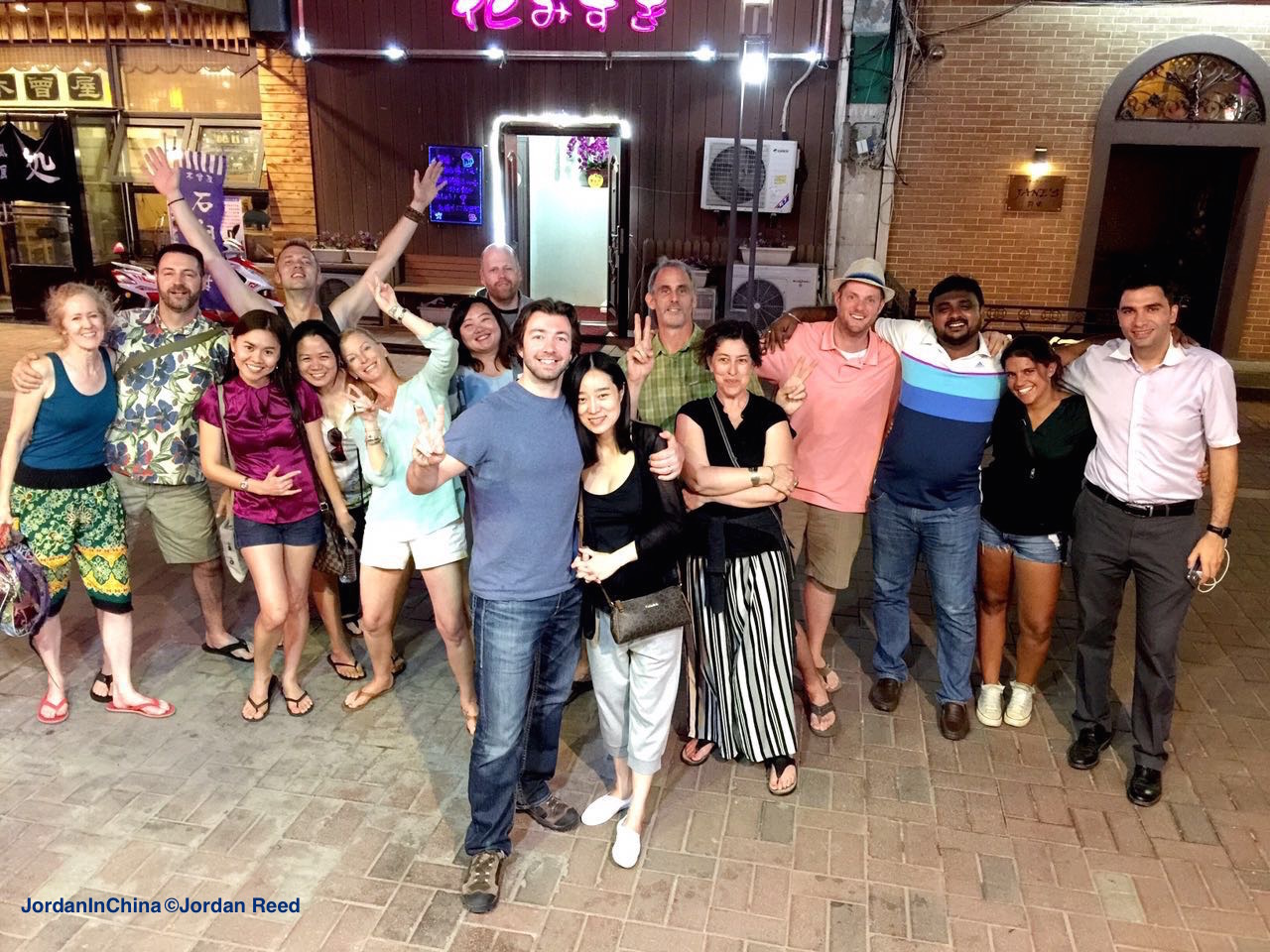
The other night was my school’s end of the year dinner. It was at this new Japanese style spa/restaurant/hotel/resort/compound thing. Yeah, I’m not sure how to refer to it, obviously. There was a buffet, our school’s teacher-band played, and people gave speeches to those who are leaving at the end of this year. I gave a speech for a friend that I’ll miss (but will visit in Korea), and tried not to make a fool of myself at the mic. Oh, and we all had to wear sandals the whole time.

The next morning Xiao Ming and I had one of our talks about the night.

Not an I’m-in-the-dog-house talk. A culture-differences-pop-up-everywhere talk. I love the second type of talks, and mostly actively avoid the former.

For four years Xiao Ming and I have been attending events with my colleagues – birthdays, dinners, bar nights, anniversaries, memorials, concerts, and graduations. After nearly every single one she and I sort of debrief the event.

I’m constantly amazed at how objective, attentive, and curious she is about the world around her, so much so that I actually record some of our conversations because I don’t trust myself to remember what she says faithfully. And I do want to remember. Her point-of-view as a highly educated Chinese woman with extended experience abroad and a deep, objective love of her culture and country makes her a fantastic conversationalist on most topics related to China.

“Your co-workers are so free and expressive,” she said to me. Her opinion piqued my interests and I followed up, asking her what she meant.

What follows are parts of our conversation. All of the requisite PC statements are in place here – we’re not sociologists, harbor no agenda that would benefit anyone by championing one culture at the expense of another, know that generalizations are not entirely accurate all the time, and welcome all constructive dialogue that might spring up around any of these topics.


Thoughts on Expression

After crying through several of the farewell speeches, Xiao Ming told me that in China something as heartfelt as personal, touching, sentimental goodbyes like that would never happen. You’d get printed out speeches where people read completely from paper with little emotional register in their voice. You’d get words like “you’re great,” “good job,” and “good luck” with no humorous anecdotes, no choking up, no passion.

Inhibitions often control the masses everywhere, but maybe more so here. I myself am not much of a dancer without some liquid courage, but Xiao Ming says that so many more Chinese people are lead-footed because of culture differences. Dancing, singing, playing in bands, these are not Chinese habits. Our staff band, she claims, is something that wouldn’t exist in a Chinese company due to the workers not being “professionals.” My colleagues are good, but they’re definitely not moonlighting for Bon Jovi on the weekends. That doesn’t stop them from putting on great shows at many of our school events and getting teachers out on the dancefloor. Save for the nearly soundproof rooms at KTVs, Spring Festival events, and contest television shows, Chinese workers don’t perform much on a regular basis.

Sentimental statements of gratitude and love are simply not a part of the conversation for families and close friends. Any culture book about China will tell you this, and it is mostly true. Xiao Ming has no memory of her folks telling her that they love her, nor would she feel comfortable telling them that she loves them. They don’t even thank each other or say goodbye on the phone before hanging up! By comparison, every time my mom WeChats us she makes sure to tell Xiao Ming and me that she loves us.


Thoughts on Age and Decision-Making

I work with some pretty great people of all ages, and so many of them are full of a zest for life that quite frankly puts me, at only 30, to shame. Some of my co-workers are in their fifties and they dance, laugh, sing, and party like they’re still in college. Women of the same age in China dance a bit, too, but only in the city squares and only when they’re lead by people doing choreographed movements. There’s no way in hell they’d be in bars or dancing at parties.

“Old Yellow Cows,” Xiao Ming calls these types of women. Apparently a term used to describe some of the generation that’s in their 50s and 60s now. “When they don’t have anything to do they just stand there like they’re mooing, they have no entertainment. How many times has my mom said she wants to travel, but then at the last minute she changes her mind? She’ll watch the kids, or do something else. If she does go she comes back complaining about spending money,” Xiao Ming says without pulling her punches.

Younger people, mostly women since Xiao Ming likes to ease drop on them, constantly worry about not being married, losing weight, or shopping. Sit in Starbucks a bit and you can overhear conversations from those around 30 and under and they almost always revolve around obsessively wanting to find a significant other, going on blind dates, and-or their latest romantic fiasco. If they aren’t fretting about who their Mr/Mrs. Right is then they’re posting to WeChat about losing weight while also taking Food Porn shots of their daily meals. Or they’re just flaunting their newest bargain buy with selfies of perplexing angles.

Younger Westerners just don’t seem as bogged down by the same concerns, she theorizes.

I’ve talked to Xiao Ming about how financial burdens can seriously hinder choices in America, and how bills can all but annihilate your day-to-day happiness, but she still feels that Americans tend to have more flexibility than her countrymen and women.

“There’s so many times when I interact with your co-workers and I have these thoughts,” she tells me. “Like the other day when I asked Sherry when she and Ryan were leaving and she said they were all packed up and ready to start their new life next week in Singapore. You know, it’s their life, and I don’t totally want to do that, but I do admire that. They have the choice and chance to change their life. Their life is light, no burden. They can stay somewhere for a few years and then pack up and leave. Even Pat and Cassady. They have two kids and they are free, too. Nothing in their life makes you feel like they have a big stone on their heart. But Chinese people are different. They will always think about how to be stable. Find a house, a job. Settle down and focus on their kid.”

“Even your older co-workers are so free. You can tell they live for themselves. They’re confident. Happy. I can’t even do that. I can’t stop thinking about how other people will judge me. So many Chinese people are this way. Very few Chinese people live for themselves. Even the most selfish actually do things in their life for other peoples’ eyes and judgement. There’s always a thing you have to get done or follow. Like on WeChat you can see that they post about finding a husband, losing weight, or what they eat so others can see.”

“Also like your co-workers in the band. They played instruments and sang. None of them are professional, right? I don’t see Chinese people do this if they’re not professional. They don’t play like that just to relax. Unless it’s KTV, they won’t, and that isn’t real because the machine helps your singing. They can’t be in a group and be themselves.”


Thoughts on Education

“I think this is connected to the way the kids are educated. Even with something like music it’s not about enjoyment. Chinese teachers won’t just let students play songs to get interested. They will force them to do the Doe, ray, me, fa, so, la, tee again and again for a month. There’s no creativity or passion. We can be great students, but we can’t apply the equation or function in the real world. Everything is too practical. Teachers think they need to train the kids to answer the questions as fast as possible. You know that even for GaoKao preparation the teachers will show the students how to answer the questions without even reading the whole sentence. It’s all test-taking skills, not about the knowledge itself.”

When I ask her what she thinks of this Xiao Ming says without hesitating, “I think this way of education kills the intelligence and innovation of students.”

“I thought it was only in schools, but since I teach in college now I see that it’s even there, too. Some majors are better than others, but still most are the same. I attend meetings and the heads of these departments just focus on what score will get you what job. Everything is about the score. They list and rank people for everything!”

“They had this so-called good student who gave a speech about how he was ashamed that he couldn’t go to Tsinghua (one of the best in China) like his brother. In the speech he talked about how important it was to get the scores, how hard he had to work, and he sounded very proud of himself. But I thought it was all bullshit. It wasn’t about the knowledge at all. He made it sound like everything is about fighting and the final result, not the process. No one talks about what you learn, what you can contribute to society, how the information makes you useful. They are still hooked on their scores, they’re still in GaoKao mentality. Maybe this explains a lot. About how Chinese people can’t innovate and why they copy so much. It comes from the education. They’re made into cows by the culture and what their parents tell them.”

“I can see this boy’s future. He will graduate and try to find a good job, a good wife, and won’t be able to change anything or be truly productive. The only kids that will be different will be the ones who aren’t great in this school system. Sometimes they’re naughty and they seem very strange to people, but they will become successful and useful people. I feel that even though you have people like this in America, some who just follow and others who stand out, in China most are followers. In America even if they’re not great, at least they have their own thoughts and personality.”

“No one can just express themselves here. It’s like in the speeches. Most of your coworkers spoke without reading from paper the whole time, but even our president can’t do that. He reads directly from his paper. And he never smiles!”

“We never had a charismatic leader, at least beyond that first generation of New China. Today they just don’t have that leader quality about them anymore. They can’t even give a speech well. And when I attended your school’s graduations these last couple years I feel that some of your students are different. It’s clear they have picked up a part of the American culture when they express themselves. A lot of the kids who studied in your school are very good. They have charisma because of the way they were educated. I think that is a great spirit.”

AudreyWang.Graduation1.JordanInChina


Thoughts on Parenting

“You can’t imagine how often I think of this when I interact with your co-workers. That’s why I always want to go. I don’t always talk or something, but I always watch and observe. I’m trying to understand them, understand your culture. It’s just so deeply different.”

“And I think all this is the same thing, the same phenomena come from the same root. It’s the philosophy of life, the way we think. Your people are all about being yourself. But the thing that Chinese parents often say to their kids is ‘kan bieren jia haizi,’ which means ‘look at other people’s children.’ They want you to be the same. You’re always told to follow examples.”

“Like the woman who works in the little store in our complex the other day. She was complaining about how worried she was about her son because he is getting 80s in class. She’s so worried about his future, and he’s so young, in fourth grade. And 80s aren’t bad! She said she’s so worried that he will become a useless person. It’s her main concern in life right now. So I told her that it’s okay, to calm down. It will be fine. But this is how obsessed Chinese parents are.”

“For Chinese parents everything is about their kid,” she continues. “If the kid fails in study the parents will feel like failures. They’ll feel hopeless. You can listen to the middle-age men and women talking about their children. They talk about needing to buy them a house, get them a car. They’re obsessed. If it’s a married couple they talk about this, but if it’s a younger person they talk about clothes, shopping, places they’ve been. It’s just, I feel that so many people now have no spirit. I don’t know why. Is it because we were farmers for so long? Is it just a farmer’s mentality?”

There’s no way to answer her last question, or at least I am hopelessly without an answer, so she takes a step back and considers again the role of the parent.

“The kid’s future is his. That’s the way it should be. Er sun zi you er sun fu, ‘your son and grandsons will have their own luck’ is a Chinese phrase that people should remember, but parents try so hard to control things.”


Closing Thoughts

It’s at about this point in the conversation that we pause and just sort of look at the people in the coffee shop. Who are we? Two over-caffeinated yuppies with too much education bashing everything around us like we have the answers? Maybe. But it beats playing video games and watching bad television.


P.S.

Look what a senior made me!!! She surprised me with it on her last day. Very touching!


A Language Litany – 语言祷文

KeepCalm1.JordanInChina

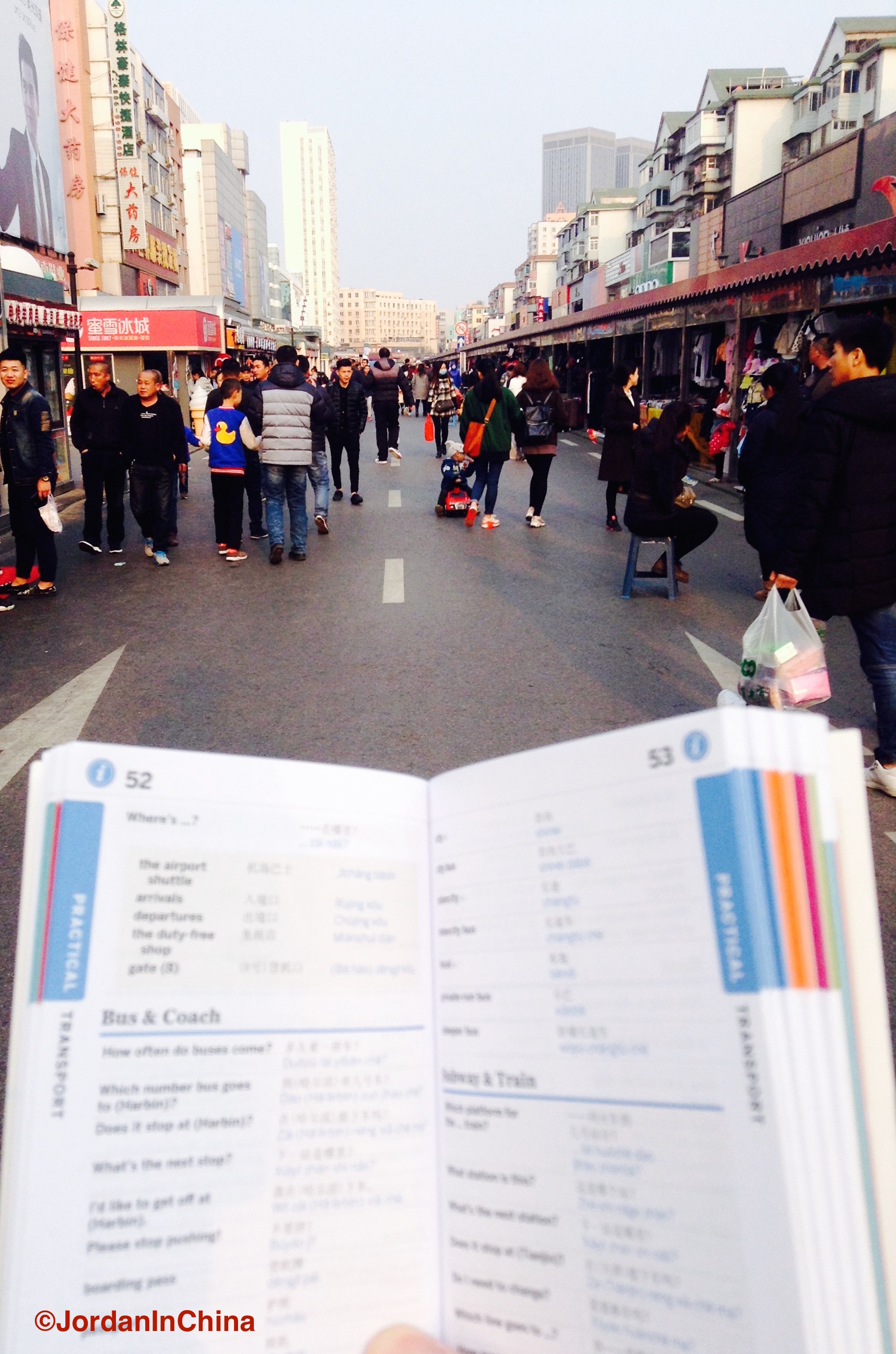
Excerpt: The Lonely Planet Mandarin Phrasebook & Dictionary sticks out of my back pocket. Pin Yin has been decoded during a few language classes, and some survival vocab arms me with the essentials. Time to put it all to use.

All my aspirations of being a language prodigy disappear the same time I ask a mall worker where the bathroom is and get a confused shake of the head in return. Bathroom, or as they usually say in China cesuo, toilet, is a very useful word to know. And I have to find one, fast.

Finally, when all hope seems gone, I cave and go with a term I’ve recently heard. “W.C.?” I ask in English. He points me in the right direction.

Round two. I’m in a restaurant that has a menu with pictures. Point and say, “Wo yao zhe ge,” and things are looking good. Chinese isn’t so hard. I got this! But I don’t want the hot water that everyone else in China drinks. I want cold water. “Bing shui,” I order.

Blank stare in return. Okay, my tones are wrong. Once more with different inflections. The waitress is looking at me like I’m requesting that the chef sprinkle salt on his leg before he cuts it off and serves it. Again, I give in and resort to gestures. I make fists and hold them up while shaking like I’ve somehow found myself magically outside in the middle of winter without a jacket. “Ah! Bing shui!” she exclaims, nodding as if that’s not what I’ve been saying for two minutes straight.

Originally published by Verge Magazine.

Read the whole thing at:

http://www.vergemagazine.com/work-abroad/blogs/2005-a-language-litany.html#.WOHobc9NzLQ.twitter


SelfReliance4.JordanInChina

For Love of Country – 爱国情怀

ForLoveOfCountry1.JordanInChina
That’s it! Sing-Off to determine the better country!

I’m a visitor here. That cannot be disputed. The fact that I have a Chinese wife, have lived here more than half a decade, and put some time into learning about the culture and language means nothing when certain topics come up.

People can go from hearty to homicidal in about 1.5 seconds when politics comes out to play.

That doesn’t surprise me.

Avoiding political discussions that have a chance of touching sore spots is like crossing a mine field blind-folded with your shirt on fire. Hell, not just here, either. Facebook looks just as much like a dogmatic stream-of-conscious conveyor belt as any of the big names with talking heads out there. A part of me thinks that soon videos of cats will be tapped to perpetuate nefarious hidden agendas of “Deep State” shadow men.

It seems so much of our identity these days gets wrapped up in defining who someone else is instead of deciding who we are. So often that definition begins and ends with a border. I guess that makes some sort of sense. Civilization did spring up from family groups that then morphed into villages, city-states, and then nations. They knew who others were because they didn’t recognize something about them – language, clothes, religion, color.

Instead of riding this thought into the metaphorical, I want to keep it concrete.

You don’t have to be an angry nationalist to be a patriot. There. I said it.

nationalism1.credit-bilerico.Igbtqnation.com.JordanInChina

Seems legit. Credit: Bilerico Project


Right now America – as seen from my Facebook feed and news source front pages – is dealing with an identity crisis itself. All kinds of redefining going on over there. Pretty ugly. China isn’t one to be showed up, though. The country has put its 1.3 billion feet down with regards to South Korea and that THAAD missile crap. Beijing isn’t even letting Chinese citizens travel there! Tour agencies are being strong-armed into cancelling their packages to the county, and Korean-owned businesses are being boycotted. Just like at the height of the South China Sea Island dispute with the Japanese, the Chinese people are ready and willing to point their collective wrath any direction the Party says. This is hardly a Chinese issue nor is it an American arrogance problem. Nationalistic bullshit like this crops up everywhere.

But since I’m an American living in China, I’ll focus on what I have experience with.

Concrete: My father-in-law loves China (a bit nationalistic at times). My mother-in-law also loves China (more of a pragmatist, though).

Discussions about Japanese, Russians, Koreans, and even Americans with my father-in-law can escalate into ideological talks that resemble cross-examinations. These same chats with my mother-in-law have a tendency to revolve around the newest product that she finds useful and of a good quality. She sifts through what the world has to offer based on her needs regardless of the origin of what she’s buying. If it’s good quality, cheap, and helps her help her family, she’s game.

I’ve got family and friends Stateside that served in the military. I also know people who take that experience and twist it so they somehow come out as a superior human being, much more American than others who have not worn Dress Blues. Suddenly they are a Citizen and everyone else is a weak, entitled Civilian. Again, not just an American phenomenon.

Xiao Ming has friends and family that fit the same mold. One of her closest friends is a soldier currently, and when they all met last for dinner the topic of patriotism got brought up. Turns out that serving in the military doesn’t just improve your combat skills, give you knew clothes and a job, no, it also just makes you a BETTER HUMAN BEING. Xiao Ming’s friend spent an inordinate amount of time talking at the table about how not only are he and his comrades more patriotic than other Chinese people, they are in fact more worthy of being Chinese citizens, and should be viewed as saviors. To be a soldier is the Best Thing You Can Ever Do, Ever. For Real. I’m paraphrasing his message.

I’m not a soldier, I haven’t served. But that mentality – the one that goes: I am better than you, so be in awe – feels wrong. Doesn’t matter if it’s directed at your own countrymen or those outside your borders. There are men and women who deserve our gratitude and respect, no doubt, but that doesn’t make them better humans or even more worthy of being a citizen of the country.

Once the soldier proves his value to the country, he turns his righteousness toward other places. Mainly, every country not China/America. Regardless of where you’re from, listening to someone rail on and on about another person (or nation of people) can churn your stomach. At some point the urge to raise your hand for permission to speak cuts in and you want to ask if the lecturer is aware that We’re all human. Our commonalities outweigh our differences.

Just the other day on WeChat another childhood friend of Xiao Ming’s who lives in Germany posted a message decrying the boycotting of Korean products by Chinese people. His opinion was that the specific targeting of other countries by Beijing was just a way to control people by giving them a monster at which to aim their anger. Xiao Ming agreed, liking the post. Instantly, another old friend responded by saying they were both wrong and that it is right for the Chinese to be against the Koreans. After all, he said, what would you do if the convenient store in the neighboring complex had better, cheaper products than your own, but then had a guard dog that barks at you every time you go there to shop (but doesn’t stop you). This was the example he gave to drive his point home.

Am I the only one that sees this as a ridiculously insufficient analogy?

Eventually Xiao Ming ended the debate by going above it. Nationalism may be a natural inclination for civilization, she told her friends. Building a strong country probably requires a bit of it, and it’s been around for a long time. But accepting the idea that we’re all people working toward similar goals, though, would better benefit the whole of humanity more instead of just a few of the wealthiest nations. Seeing past the insignia on a passport to the person carrying it is an ideal we can still strive toward.

Idealistic? Certainly. Doesn’t make it wrong.

It’s easy to get overwhelmed by headlines and rhetoric in bold print, but there are ways to counter the barrage of one-liner philosophies that paint the world in primary colors.

“Travel is fatal to prejudice, bigotry, and narrow-mindedness, and many of our people need it sorely on these accounts,” Mark Twain once wrote. “Broad, wholesome, charitable views of men and things cannot be acquired by vegetating in one little corner of the earth all one’s lifetime.”

Don’t get me wrong. More and more I believe that mandatory military service might actually be a good thing for all young people, but all that What makes the grass grow? Blood, blood, blood! propaganda needs to be tempered by affordable opportunities for education and travel experiences afterward.

Loving your country is not the same as hating other countries.

Ironically, today Xiao Ming and I ate at a Korean restaurant and spent time in a Korean café. This was not a statement. Other places were just not as convenient. We were happy, however, to see that the media hadn’t absolutely brain-washed everyone. Both places were packed.

sydneyj.harrisquote.JordanInChina.Credit-media.licdn.com

A Glimpse of China – 中国一瞥

LRT1.JordanInChina

“I’ve just gotten off work.

I’m squeezed in next to a mix of humanity on the Qing Gui, the Light Rail Train, all of us on our way home from a day’s work. From where I’m standing I watch Dalian’s Development Zone flit by. Big Black Mountain, half-finished apartment complexes, small companies with big neon signs, restaurants, a sauna, a McDonald’s, and the relatively new Wanda Plaza that opened last year. It’s all so shiny.

It’s my stop next, so I shimmy around a woman holding a baby. Pressed against one another shoulder-to-shoulder, hip-to-hip, it feels like we’re cattle in a too-small corral. Some of the scents wafting around in the train car drive the simile home. A passenger has recently been to a fish market, and I’m not convinced it’s fresh, either. A sour, meaty odour smacks me in the nose, and I notice the mother unraveling an orange sausage that looks mildly radioactive and smells like it’s been setting in the sun all day. It’s called xiang chang (perfumed sausage) but I can’t imagine anyone ever wanting to dab that onto their body.

A burly looking guy with short black and grey hair sits on the bench to the side with his chin tucked to his chest and aggressive alcohol fumes floating off him. The smell is unmistakable—Baijiu. It’s the national alcohol of choice for the Chinese, a rice (and sometimes corn) wine that can strip an engine or get a shuttle into space.”

First Published by Verge Magazine.

Read the full post at:

http://www.vergemagazine.com/work-abroad/blogs/1984-a-glimpse-of-china.html

LRT3.JordanInChina

Dragon Raising his Head - 龙抬头

longtaitou6-jordaninchina-source-wallstreetjournal
And I thought I was cranky after a haircut! Source: Wall Street Journal

Today is a good day to cut your hair, if you’re Chinese.

This year February 27 is er yue er, or 2 Month 2. The traditional name is much cooler, though. Dragon Raising its Head Festival, Long Tai Tou.

One of the traditions goes that for the entire month of the lunar January no one cuts their hair. It’s only after the Dragon has raised its head and the rains come that getting your ears lowered is recommended. Dunno why, and no one in my family can explain it sufficiently. Also, if you do cut your hair before the appointed time, your uncle dies. Yeah, I don’t think they can get much more random than that with these holidays.

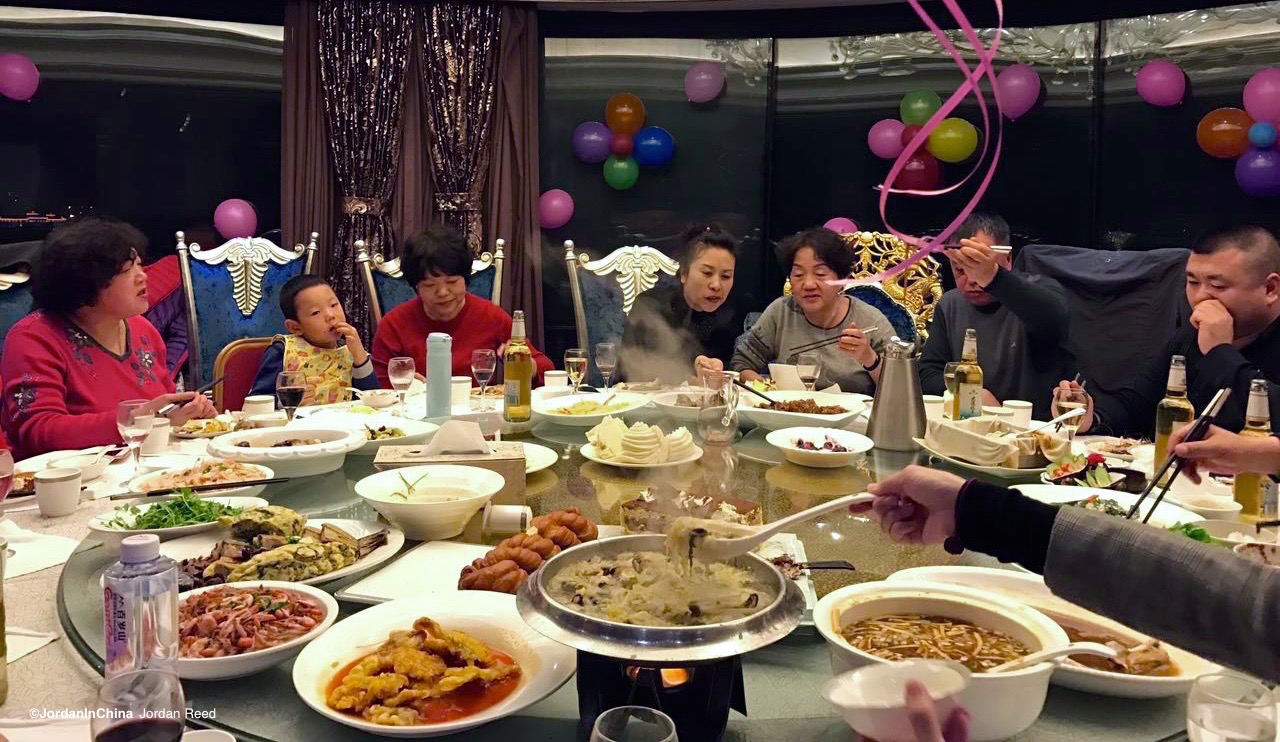
As I’ve mentioned before, every Chinese holiday seems to also coincide with a family member’s birthday. No one appears to find this suspicious. Today was my San Yi’s. This is Xiao Ming’s middle aunt. Her new son-in-law, Long Hong Jiang, set the meal up, but San Yi paid. In Chinese culture it’s a custom for the birthday guest of honor to treat the family. In the West the birthday girl/boy pays for nothing, but here they foot the bill.

sanyishengri-jordaninchina
…At least we didn’t have a table full of dumplings.

Every time we all get together for someone’s birthday, people give toasts. Apparently I’ve been voted the member best suited to represent XiaoMing, her dad, mom, and me. It hadn’t occurred to me until about ten minutes before I spoke that I’d have to give a toast. Due to my age and position in the family, XiaoMing and I, along with the other cousin and her husband, sat closest to the door (this is basically the lowest spot at a Chinese dinner table), and so that put me at exactly halfway through the toasts. Luckily, I’ve been through this before, and I sort of had something I could say.

“San Yi,” I began as I stood with my glass of wine. “Today is your birthday. But today is also LongTaiTou. I’m always learning about Chinese holidays. America doesn’t have so many fun holidays like this! Chinese people and their holidays are great! The most important part of the day, though, is that it’s your birthday. We are all together for it. I wish you a happy birthday!”

Not so much with the sentimentality, but it was understood by all – a big deal for me with my bad tones – and San Yi appreciated it. XiaoMing said it was good, and I tend to defer to her in all things Mandarin. Several others toasted, and we continued to eat. Eventually the individual toasts began. It wasn’t long before I spoke again, to Xiao Yi, this time. She’s the youngest aunt. Turns out that she just retired, for the second time, so that she can help the cousins raise their babies (two of them are pregnant). She posted this on WeChat, but apparently I was the only one who noticed. I mentioned it to XiaoMing earlier and she had no idea, so when Xiao Yi talked to the family, I actually knew what she was talking about.

longtaitou3-jordaninchina
I have no idea how many “Gan Bei’s” happened….

As she stood next to me, I raised my glass and toasted her, saying “So many people post on WeChat, Xiao Yi, but I usually don’t even look at their posts. But when you posted, I wanted to know what was going on. You are family, and this is what family does: we care about each other and want to know what’s going on. That’s family.”

This moved her. She then proceeded, tears brimming her eyes, to toast me.

She said such nice things about me as a person, family member, man, and husband that I can’t repeat them here. Her sincerity and love radiated off her.

It’s daunting when others see such value and worth in you. Makes you want to be worthy of their praise.

And here you thought it was just a Monday in February.