I would wager that many of you (all seven) aren’t aware of the holiday that has just passed. I’ll give you a hint: It was in celebration of a self-less hero who died too young, but left a lasting influence in the psyche and hearts of his people.
Did you guess the 22 year-old communist soldier Lei Feng?
No? Well, what the hell, man? Brush up on your communist-era Chinese heroes.
That is a hat to be reckoned with, make no mistake. Credit: wikipedia
In 1963 Mao Zedong Christened March 5 “Learn from Lei Feng Day,” a day in which all Chinese people should strive toward a more self-less, frugal, altruistic ideal. The young soldier lived on a pittance of around 6 yuan a month and yet somehow managed to donate hundreds of yuan to charities. He spent his free time helping other soldiers, the elderly, and children. He volunteered to serve people on trains when he traveled. He studiously memorized Mao Zedong Thought and dreamed up even more ways in which to serve his country. He also cured cancer, rescued kittens, and could turn his body to diamonds and fart out rainbows…
Credit: calebmaupin.blogspot.com
Upon his untimely death at the hands of a falling telephone pole (seriously), Lei Feng’s diary was found, and the world got a peak at the inner musings of possibly the most awesome patriot since Captain America.
Every few years Lei Feng is brought out and touted as everything from an anonymous member of the proletariat doing his part, a severe scholar of communist thought, a courageous soldier, a self-less volunteer, and most recently, a hip youth with a flare for fashion and motorcycles. Rightly so, this all-purpose communist hero and his image have raised a few incredulous eyebrows. Propaganda and political agenda aside, Lei Feng’s name and his super-human good deeds and patriotism live on in the minds of modern Chinese people today in a few common phrases like, Xiang Lei Feng tongzhi xuexi! Study to be like Comrade Lei Feng!
In America we have Honest Abe, the Boy Scouts, and G I Joe, but here they have Comrade Lei Feng. If someone shows an uncanny amount of altruism and knows someone with a camera, chances are that a comparison between them and Lei Feng will be made, but just the other day I read about an American who was extended this great honorific title.
The Avengers in China: David with his wife and students. Credit: chinatoday.com
David Deems teaches in a very poor area of China, the Gansu province. He has been in China since around ’95, and works to develop the schools in the area. He teaches Mandarin and English in Dongxiang County, and raises donations to improve the teaching conditions there. He keeps meticulous records of all the donations, even writing to his donors. His accomplishments in this area are many, but what might be even more impressive is that he has routinely refused to accept a salary higher than that of the average Chinese person in the county.
The man carries a Chinese flag in his pocket just to remind himself that he’s in China, and speaks flawless Mandarin. Yes, Chinese people love this lao wai.
Honestly, the world needs more people like Mr. Deems. Although I’m not sure if they all need to carry flags in their pockets in order to remind them of something they should definitively know just by opening their eyes…Anyway…Great man.
Even though the date has passed, and, yes, the guy may be a fake, it’s still not a bad idea to heed our old pal Mao Zedong’s words, “Xiang Lei Feng tongzhi xuexi!” I think the we can all get behind someone who just wants to help people.
Along the Kai Fa Qu shoreline, just a short five or eight minute drive east of the center of the Development Area, there is a modern, artistic white bridge. If you sit out there at night you can see the stars over the harbor, and listen to the fishing boats rock back and forth on the waves as they rest for the evening anchored close to land. Even the ambient light of the city recognizes this is no place to invade, leaving the light and noise pollution off to the horizon along the peripherals. Very few people are there during these quiet hours, and if you sit still long enough, you can forget you’re sitting in China, circa 2014.
Red Star Bridge
The effect is not necessarily magical so much as it is mystifying. Just a short ways up the road is the Da Yao Bay where the Dalian PX plant sits alongside a few other factories. This plant exploded a few years ago, leaking tons of oil into the water, polluting the bay as far up as the Golden Pebble Beach. Though the scene in front of the bridge is beautiful, the land around these businesses is scarred and rough. When you get up to leave the bridge, though, you may catch a glimpse of some construction going on behind it. When you look closer you see that old, derelict homes are being demolished by bulldozers and bobcats. Looking even closer, you notice that a few of the homes have clothes still hanging out to dry. The small remnant of some village is being destroyed, and the people haven’t even all left.
Kai Fa Qu, or the Development Zone, was touted as China’s largest, and there were high expectations for the area. The reality of the last twenty years has shown that those ambitions were rooted too much in fantasy. KFQ has become a residential zone, more or less used by citizens of downtown Dalian to escape the din that makes up all Chinese cities, not a haven for businesses to set up shop and bring in the big bucks. Sure there are businesses here, but not enough to keep KFQ in the limelight.
The first monument in Kai Fa Qu. Each pillar represents a Development Zone in China, but the biggest one is supposed to be KFQ.
During the last few years, the construction bubble that made so many filthy rich in China has definitely popped, or at least began to fizzle. Empty rectangular complexes stand outlined against the smoggy skies like enormous playing cards that bluff the people, promising expansion and enhancement, but unable to do anything but loiter where their foundations were laid. Construction company owners and those willing to play high-stakes poker with their money bought, built, and sold these vacant goliaths for years, loving every minute of it as the gambles paid off and the money rolled in. However, now the Chinese government is getting a bit miffed about all these hollow homes, and they’re beginning to tax people with similar empty deeds. Better late than never, eh?
The factoriesIt’s a massive area that’s tucked away between the two bays.The air around the place is thick with oil and gas fumes.
But the mad construction bubble is just a symptom, isn’t it? It is just one element of a much grander paradigm of thought. Yu Hua discusses at length how the ideas of copy cat products have infiltrated every stratosphere of Chinese economics, and how grassroots millionaires can be made over night in his book, “China in Ten Words.” He doesn’t come out and point a finger, but it’s pretty obvious what the culprit is: an addiction to money and the conveniences it can provide.
China is at the top of the world in the consumption of luxury goods, surpassing even the US in this ranking (Chang, chinadaily.com). In an article published just over a week ago it’s also made abundantly clear that knockoffs aren’t good enough for many consumers. Lyu Chang says, “Chinese appetite for luxury is the reason why all major European designers, such as Chanel, Gucci, Louis Vuitton and Christian Dior, have a large presence in China.” It’s difficult for me to pronounce some of these brands let alone entertain the notion of purchasing one of their outrageously priced products, but large groups of Chinese men and women are driven to fork over their cash in order to get their hands on these logos. From chic cosmetics to classy cars, consumers in the Middle Kingdom can’t get enough. However, this need to get the latest in Western fashion doesn’t end with products you buy on a shelf, but rather escalates to purchases made in acreage. The 2014 Annual Report on Chinese International Migration revealed that many Chinese are racing to buy up real estate abroad. America and Canada have seen large numbers of Chinese investors since 2011, when China became the second-largest foreign property buyer in the United States (chinadaily.com). Population numbers certainly have a role in these statistics, but so too does the prevalent belief in the power and intoxication of money.
Cut me in line and you die. Credit: kingscorner.wordpress.com
Where did this manic desire for Western products come from in the East? For crying out loud, before the 1800s England and other countries west of India were generally viewed through the lens of suspicion by the Chinese and Japanese. Then, after the First and Second Opium Wars, the Boxer Rebellion, and the forced signing of what became known as the Unequal Treaties, this suspicion basically became fiery hatred. How the hell do we go from unwelcome “Yang Gui zi,” foreign devils, to the trend-setting idols of the modern Asian world?
The Foreign Devil
Credit: sacu.org
English is fashionable here. Kids and adults throw random English words and phrases into their daily life to spice up their lexicon, and people walk around with misspelled brand names and shoddy logos on their clothing. American TV shows are downloaded and streamed by teens. Friends is watched and analyzed as though it is some sort of cultural Rosetta Stone that will magically help the viewer absorb all that is Red, White, and Blue. English, and the culture that uses this language, has become a symbol of success to many parents who force their four year olds to chant and sing songs in this foreign language before they even master their own mother tongue. How did the two cultures, at their heart so vastly different from each other, become so intertwined in today’s world?
I think it had something to do with a few bombs that were dropped, the fact that during WWII the US had almost no damage done to her country, and because, for a short time, America did behave as several countries’ righteous big brother, not the spoiled only child that she’s become today. Because the US infrastructure suffered no damage, the economy kept pumping along after the war. Bullets became ball bearings, missiles turned into microwaves, and atomic bombs made way for automobiles. These products helped shape a new world that needed to pull itself out from the rubble left over from a world war, and in the process, became the first heralds of a new culture, the American Cultural Monopoly.
Credit: extratextual.tv
The consequences of this cultural imperialism can easily be seen today around the world, and many travelers who eat at Pizza Huts in Egypt, Dunkin’ Donuts in Shenyang, China, Seven Elevens in Thailand, or Dairy Queens in Cambodia can see this clearly. Just last night we had dinner with a group of friends, all from different parts of the world, and Malaysia got brought up. Billed as the “real Asia,” Malaysia left two of my friends shaking their heads and thoroughly disappointed. Segregated and culturally bland, the country did not live up to the hype, they said. Too much division and no actual blending of cultures left them feeling like they had visited a set on some stage, not a rich nexus of culture. Another Canadian friend mentioned that many of the cities in her country were all the same. Whether she was in Toronto or southern Ontario, it all looked the same. Then Xiao Ming mentioned that most Chinese cities had this very quality as well. From Luoyang to Beijing or Tianjin to Xiamen, it all blurs because there is no diversity.
The Brain Trust
It’s this lack of diversity that is alarming. Within one country the diversity may not be as pronounced, but when you begin to see a waning of it internationally, the hairs on the back of your neck better be standing on end. Are cultures really being obliterated, consumed by one encroaching, smothering mass of ideas, entertainment, and convenience being paraded around as culture? Yes.
Let’s go back to the bridge. Remember that construction going on behind it? Well, that small pocket of homes is the last of an old fishing village that had been there for centuries. In fact, all of Kai Fa Qu and most of Jinshitan was a fishing community up until a few decades ago, but now only a few houses here and there would hint at this past. Instead, Jinshitan is promoted as a scenic spot that, “…aims to become an all-round resort that integrates tourism with entertainment. Many projects are still under constructions, such as Theme Parks, Hi-tech Agriculture Sightseeing and Demonstration Park and Golden Pebble Valley Country, etc,” (travelchinaguide.com). There already is one theme park, a few golf courses, a hunting range, and even a wax museum.
These promotional endeavors are surrounded by architecture inspired by neither rich Chinese history nor by the Russian influences of the area’s hectic modern history, but by what appears to be an American southwestern style reminiscent of Arizonian or Californian suburbs. Having traveled throughout China the last few years, I can’t describe to you the amount of souvenirs that are identical all across this country. Mass-produced, faux ancient relics with no meaning are sold along every alleyway and street from here in Dalian all the way to Lhasa, Tibet. Those 56 minorities that the Han majority is so smitten with right now barely managed to keep the tatters of their cultural identities throughout China’s often prejudiced dynastic eras. Today they are regarded as Chinese gems, banners that the government likes to wave around at international audiences as a way of saying, “look at us, we still have more culture left!” Sadly, when you visit these minorities in their homelands the truth is made clear. They are oddities to many, attractions that need to stay on the stages provided for the entertainment of the masses. Much like the Native Americans living on the reservations, these minorities in China have their culture dictated to them. You can do your dances and wear your quaint clothing, but just don’t leave the fenced in area.
Lack of assimilating has always been a way some cultures have been spared destruction, at least for a while, but then natural curiosities abound in the minds of the majority group. That curiosity doesn’t always bode well for those being observed. Who are they? Why are they wearing those? Why do they always do that on this day of the week? No, son, you can’t date that girl because she’s one of them. I didn’t make enough last month, and it’s because those people keep taking the jobs. They always have money while the rest of us have to tough it out. Maybe they are the ones to blame. Yea, let’s blame them. But blame is not enough. They have to pay for their crimes. Our leader also blames them, but he knows how to deal with them. Soon they will be all gone and we will finally have what we deserve. Yes, son, you can kick that girl. She’s one of them.
Cultures get blotted out due to human atrocities all the time, but that’s not what is so startling right now. It’s the willing annihilation of some cultures that freaks me out. In China, even old Han villages are demolished, and along with them their folk traditions and way of life. In an article published in the American Conservative last month China’s on-going bulldozing of villages is explored:
Why are villages so important? What makes them distinct and culturally significant compared to cities? Villages support subsidiarity and diversity, whereas cities usually promote mass movement and centralization. Of course, the village’s specificity has downsides: it can foster clannishness and biases toward “outsiders.” Nonetheless, without the village, we would lack the kaleidoscopic culture that makes art and life so rich.
Without the village, we’d likely forget valuable traditions. Villages tend to have a longer memory than cities, due to their permanency. Landowners and families are generally more stayed, often remaining in the same area for generations. In contrast, cities often inspire new enterprise and “the next big thing.” They foster pop culture, not folk culture. In the small community, neighbors, family, and friends are almost inescapable. Whether gathering at the city hall, church, or merely visiting the grocery store, familiar faces abound. One must learn to live in communion with others. In cities, it is easier to live alone—and easier to be lost in the clamor and crowd.
The forgetting of valuable traditions is what I fear, and I’m not alone. Addictive consumerism and this race for urbanization have costs that many never saw coming. Quoting Gordon G. Chang, who wrote an article in the Times, Gracy Olmstead’s article last June says, “…the Standing Committee of China’s National People’s Congress was planning to build a city of 260 million people, in an effort to propagate economic growth and consumption. This mammoth enterprise would require moving 250 million people from farm to city in the next dozen years,” (theamericanconservative.com). These people making these migrations are giving up more than their homes and generations of memories that are tied to the land. By adapting to city life they unwittingly let their traditions slip by the way side.
In the daily lives of young men and women, this has real side-effects. I often have conversations with Chinese people about the differences between the West and the East, and it’s amazing how conflicted they are. Values and traditions once held sacred are now sources of confusion as they navigate a world so saturated with mixed meanings, innuendo, and relativism. Role-playing, stereotypes, skewed assumptions—these are words that define the actions and thoughts of many adolescents today, but when you place a nebulous cultural identity that is constantly assaulted in the mix, you may not get just an angsty teen.
Just two weeks ago I wrote about the recent Lantern Festival, and I joked about the people hanging out in front of a McDonalds as they lit their lanterns and about the Chinese couples who cuddled and exchanged flowers because of it also being Valentines Day. A shift in thought the last few years has given rise to wide-spread acceptance of Western holidays in China. Despite most people here not caring one bit about the values and traditions of these holidays, they seem to celebrate them nonetheless. This is a byproduct or consequence of the commercialism Li Yang writes about in her China Daily article Lantern Festival Losing its Luster. She complains about how the lanterns today have sold out and are no longer handmade, but mass-produced and lack any originality. She reminisces about the detail and wonder of the Lantern Festival from her childhood, and laments the way the tides have changed the traditional Chinese holiday into a commercial event. Her complaint is very similar to my mother’s annual irritation at the faux Christmas cheer that gets shoved down our throats by the stores just so they can make their money. This is not a Chinese thing, and that’s my point. But since I live in China and this blog is about China, I’m writing about…China.
It’s this commercialism that is the weapon of the cultural imperialism I mentioned earlier. Left unchecked, international consumerism leads to cultural atrophy, or an ignorant variation of a suicide pact in which everyone is bleeding their values and traditions dry in order to get the next big thing. It’s always the commerce, the trade, the exchange of one thing for another that gets a product from point A to point B. In the case of Chinese buyers, they want the image, prestige, and convenience of Western products, but they have no clue that with each swipe of their credit card more is being bartered than they agreed to.
Credit: ecochildsplay.com
By the time they realize their folly the damage has been done. In China this has played out dramatically ever since the Cultural Revolution. Spurred on by Mao’s battle cry of, “Destroy the Old World; Forge the New,” entire collections of paintings and relics were destroyed, temples and ancient structures were ransacked and burned, and nearly every shred of literature was hunted down and tossed onto bonfires. Then, right after this monumental gaff, China opens itself up commercially and the gap left in the psyche of the Chinese from that cultural lobotomy got filled—by Western products.
Credit: wikipedia
People around the world know this. There are institutes fighting this tidal wave, but their voices are nearly drowned out by the rushing tides. In 2010 the Goethe-Institute’s president, Klaus Dieter-Lehmann talked to DW about how his group fights against this very cultural atrophy. His group works to educate and spread the German culture, but they also help keep other countries’ culture alive in their own borders. He talks about China in a part of the interview he did with Aya Bach:
When it comes to such a big power like China, couldn’t it be that the country says, we don’t really want to have anything to do with the European Enlightenment, we want to defend our own values?
All I want is for people to reflect on their values. Right now, people are only thinking about money. And that’s disastrous for a society. Because as soon as money stops rolling in, the society will break down and look critically at its behavior. That’s when thinking about values will clearly take on importance. But the process of reflection can be about great Chinese traditions and philosophers; after all, there’s also a concept of the Chinese Enlightenment.
Do we end up then in a kind of cultural relativism, where certain values become questionable because they’d be viewed differently in another culture?
I’m in favor of a compromise. I don’t believe in cultural universalism because it reduces our world to something less rich than it is. Insofar as cultural relativism enables dialogue, sharing and reflection, then I support it. But, for much too long, cultural relativism had the effect of partitioning cultures off from each other. That doesn’t work. We have a globalized world. We also have wealth in the world, but that only becomes clear to those who are able to take part in it.
I’m not a stone-thrower. I am not demonizing globalization and capitalism, but I do not think they exist together in our world without dangerous and negative consequences. They are not the enemy; it is our tendency toward forgetfulness that is to blame. Make your millions. Become a grassroots success story. Just do it without forsaking what makes this world diverse.
If evolution has shown us anything it’s that diversity equals success. Single-celled to complexity beyond the human imagination, that’s the story of our world. Creating a one-world culture will have disastrous results, I swear it.
Back on the bridge, where these ideas seem to be tossed back and forth on the wind, it’s obvious that right now in China the momentum is pushing toward a willful forgetfulness. There are factions here that fight for that cultural identity they see slipping away, but with this invisible, but very real, race for power on the world stage never slowing, villages and their way of life will continue to be bulldozed.
This week it has occurred to me that working in an international school presents a few opportunities and challenges that are nearly nonexistent in traditional state-side public schools.
Wading through the cultural differences is definitely at the top of the list, but few understand what this actually looks like in the classroom. Let’s take history, for example. Say you’re looking at a map, or even talking about the time frame of the early twentieth century, and you happen to mention that China and Taiwan are separate. Better be prepared for a few kids to pipe up with a, “Um, Taiwan is China,” and a few others to counter with, “No it’s not! I’m Taiwanese, not Chinese.” I’ve had to run peace-talks between these eighth grade emissaries a few times.
Or, you’re correcting a student’s mistake in class—him smiling the whole time—only to find out later you’ve completely disgraced him by taking away his “Face.” OR you try to pulse-check the class by wondering out loud if there are any questions or if everyone “gets it,” and they all nod their heads, eager for you to just keep going with the assignment. Start the task a minute later and no one moves for three minutes because they have no clue what’s what. You learn later that they didn’t want you to lose face by making it seem like you had not explained things clearly.
Sure, there are a bunch of kids that have been in the American system a few years and have been pretty much indoctrinated into the ways of the prepubescent monster that is their Western counterpart, but there are enough Chinese students still fresh to the US curriculum to pose this problem.
Then you have the variety of vocals that fill the halls when students are traveling from one class to the other, their many different languages pummeling your ears in ways impossible for you to decipher. Classroom English is stressed, absolutely, but rare is the class wholly without a whispered word in a native tongue. Most of the time this utterance is innocuous, but there have been a few snippets that have been anything but. One time in the library while students were doing research for a history project, I heard one boy talking about the breasts of a video game character he had seen in a website advertisement. When I looked up from across the table I told him he needed to change the topic. Confused and shocked, he asked if I had understood and I just nodded. He hasn’t said anything inappropriate in the months since then.
Bullying is always something teachers need to be vigilant about putting a stop to, but when you add in languages that no one on the staff speaks and a culture that encourages harmonious interactions, even when you’ve been slighted, this can get to be an enigma even the most well-versed behavioral specialist may find perplexing. Throw in new tech like We Chat that allows people to interact in ways faster and more ubiquitous than IMing and E-mail and you’ve got a hot mess on your hands.
The kids and the teachers in international schools also have the opportunity to have some of the widest social circles of any group of people. If your deskmates all hail from a different continent chances are that you’re going to be bringing different points of view to small group conversations. Teachers who work together for a few years and then move on to other posts don’t ever really lose touch, not today with Facebook and E-mail. Goodbyes may be more frequent, but the friendships formed can be made quicker and with more depth, too. Saying goodbye to two students this week proved to be a harder task than I had anticipated. Both of their families are heading back to their home countries, Korea and Japan, because of work changes. Staff and students took pictures with the kids and some even cried at the end of the day when they left the school for the last time. These farewells are important, though, and not always final. Sometimes they just give people destinations to travel to on vacations.
Fun days like International Day definitely get spiced up, though. Being truly international, the environment at the school on this day and the days leading up to it can be very enlightening. Families from all over the world and students with vastly different experiences can share their culture with all the flare of the opening ceremony of the Olympics.
And parent-teacher conferences get a little twist when translators are used so the parents can understand what the teacher is saying about their kid. We just finished our two-day conferences and I needed to have a person translating for about three of them. I was able to use my Chinese for the first one, but then the remaining conferences required me to say things I didn’t know how to, so I got a translator.
Also, the happy birthday song in one class being sung in 8 different languages is an awesome thing to behold. Having a German student translate political cartoons during a history lesson, or a Chinese student making a connection between a Native American legend and a Song Dynasty poet’s work can make for amazing teachable moments—the students teaching the teacher, that is. Students learning how to make art from a well-known artist from Peru, or how to make film from a teacher with more experience than half the young Hollywood directors today, or learning English from a teacher who brings great stories from 20 plus years abroad to every class are fantastic ways to learn a thing or two.
Even chaperoning trips isn’t the same. In March, I am supervising a volunteering trip to the Ningxia Autonomous Region. A group of High Schoolers are going to a small village in this area and volunteering their time for a week. We’re going to teach at the small school, and do community work for the impoverished town of Tongxin, outside the capital, Yinchuan. Even though this is during Spring Break, it’s like I’m not giving up a thing. Then in May, I’m going to be going to Beijing to help supervise the Lego Robotics competition. Despite hating Beijing, I love being able to go with the kids and see them compete in this big event. These are places I just wouldn’t get to see teaching in a public school back home.
There are a dozen other things that could go in this post, but I’m tired and I have an early Professional Development training at the Canadian International School in town, so I’ll call it quits now.
I finished “Ishmael,” Daniel Quinn’s philosophical novel this weekend. The story follows the Socratic conversations between the male narrator and a telepathic gorilla as they task themselves with understanding, “The way things became the way they are,” and then positing an action plan for saving mankind from its own destructive tendencies.
(Wikipedia)
In a poorly phrased nutshell, the way things got to be the way they are today (today being a negative path leading ultimately to man’s and the rest of the world’s total annihilation due to an imbalance of resource supply and demand) starts with identifying two groups of people—Leavers and Takers.
Leavers were those early groups of Homo sapiens sapiens that lived for about three million years alongside nature in a variety of ways that didn’t tax the environment and life around them to the breaking point. Takers are those clever saboteurs who struck the earth and tilled some soil with their first insipient stab at agriculture in the Fertile Crescent around the Tigris and Euphrates rivers some 8-10,000 years ago.
From that first successful reaping of that first crop a new path, a new culture of thought and action, began. This path, using the Leaver story of Cane and Abel, Ishmael the gorilla explains, sets the stage for a war between the Agriculturists, embodied by Cane, who believe they have the Knowledge of Good and Evil (which is outlined in the novel as the sacred knowledge to know who should live and die) and the Pastoral/Hunter-Gatherer people, symbolized by Abel, that live in accordance with the earth and “in the hands of the gods.” The Takers view themselves as the masters of the earth, the pinnacle of evolution, and thus devise a myth or culture that takes them out of the natural lineup of the Community of Life, excusing them from the laws of competition and the “peace-keeping” law that all living creatures—save man now—follow.
Removing themselves from this lineup allows them to justify their push for total domination of the earth, at any cost. Species, terrain, and ways of life are wiped out as the Takers plow along, reshaping the world in the image they see fit. The problem, as any anthropologist or ecologist will tell you, is that a species’ population can only grow as large as its limiting factors will allow. When a fox population grows, the rabbits die. Then the foxes dwindle, and the rabbits come back. That’s the way it goes. But man, being the master of the earth, takes the world around him and shapes it to his will. The Takers produce more food to feed the masses, but the production just encourages even more growth, which in turn pushes the Takers to exert their god-like control over even more of the earth to sustain the larger numbers. The big problem arises when we realize that the earth, her resources and the life on her, are limited. If the Takers have destroyed their limiting factors, what’s the logical conclusion then?
Boom! Or rather…the wheezing, hoarse cry the last of us Takers will let loose as we starve to death on what will then be an empty dust ball hurtling through space.
Connecting his theory with the sciences of ecology, biology, and anthropology, Ishmael takes his student through a journey of thought that leaves the reader reeling. From a strictly cultural standpoint, the use of Biblical stories from Genesis provides a great way to conceptualize Ishmael’s theory in a linear, narrative form, but with the objective science, and back and forth dialogue between the gorilla and the narrator the novel transforms, or evolves, into a book very difficult to put down. Conrad’s “Heart of Darkness,” and many others have looked at the conflicts that emerge when a group that sees itself as “civilized” clashes with a perceived, “primitive” group (those would be Takers and Leavers, in the vernacular of “Ishmael”). These novels depict this all out war as an inevitability that stems from an inherent flaw in man. “Ishmael” weaves this battle into the design of his theory well, but he does something with it. Unlike most doomsdayers or pessimists, the theory does not necessarily dictate that man is damned or inherently deficient. It does offer up a solution by pointing the reader back in the direction of the Leavers, those that lived within the Community of Life for three million years, and, at least in some remote places like jungles and deserts, still do. Hope for the Takers, Ishmael teaches, is in relinquishing the title of master of the earth, and reclaiming a place in the lineup of Life.
I didn’t mean to write a mini-book report here. Seriously. I just wanted to think, and for me, thinking usually involves writing. There are plenty of elements worth analyzing such as why Ishmael is a gorilla, what the narrator’s next steps may be, what really is the meaning of the ambiguous sign on the wall of Ishmael’s apartment, and I’m sure we’ll have our students cogitate on all these and more (oh, I didn’t mention: I read this in preparation for teaching it with a history and English teacher I work with). For me, though, I just wanted to work my head around this book with a little rambling. This novel didn’t come out of left field with a whammy, but it is the first one that followed the line of inquiry long enough to point out something new to me. Much like Robert Heinlein’s “Stranger in a Strange Land,” this novel’s dialogue works like a spell, capturing my mind and reshaping certain thoughts—making some appear and others vanish. Even Dan Brown’s new one, “Inferno,” tackles the idea of overpopulation, but his is amped up to the nth degree and a bit darker.
The numbers in the book surprised me, too. At one point Ishmael says there were about 3 Billion people on the earth. In a science class that I work in the students watched an old Bill Nye video from the late 90s, and the Science Guy said there were about 5 Billion of us. About a year ago, I read that we are right around 7 Billion. These numbers, and the speed at which they’re growing, are freaky.
Living in China, one of the most densely populated places on this rock, I can’t help but think about the futures portended by “Ishmael,” “Inferno,” and good old fashion Mathematics. The scales here are so imbalanced it’s not even funny. People mountain, people sea in one place, and then tumble weeds in the next. China has entire cities that are uninhabited, they have complexes with beautiful exteriors and vacant interiors, and they seem to have a near-phobic reaction to open land in close proximity to their cities. It’s as though they can’t abide grass and hills when perfectly good apartment buildings could be sitting there.
Just the other day Xiao Ming and I were driving around Jinshitan, and all along the perimeter of the town vast numbers of empty buildings loomed like mausoleums that even the dead would rather avoid. Between Dalian and Kai Fa Qu there is an entire neighborhood that seems to be populated by three street sweepers who idle their time away by snaring errant pieces of litter that blow into their turf.
All my life I’ve been a Taker, but there have been occasions when I’ve dreamed that I was not. It’s more than rebuking money, materialism, control and civilization, it’s about recognizing the imbalance all around us and realizing that, shit, this isn’t what we had planned.
None of these thoughts are new, and even “Ishmael,” wasn’t the first or the tenth to lay it all out. Even Lao Zi, the founder of Taoism in China caught on to the idea. He preached about the principles of Wu Wei, or in English, the Art of Inaction. He used this idea broadly, but there are strong similarities between it and some of Ishmael’s thoughts. The way ambition leads to so many negative consequences can be seen as the Takers enacting their god-like powers over the earth. A quote from the Tao Te Ching goes, “Try to change it and you will ruin it. Try to hold it and you will lose it.” That sounds a lot like Takers screwing things up to me.
I’m excited about teaching this novel, and seeing how the students react to it and its ideas. I can’t wait for our own Socratic discussions about the topics within its pages, and listening to their points of view.
Friday was Valentine’s Day and Lantern Festival. Apparently this auspicious day happens but once every nineteen years when the dates align on the Lunar and Solar calendars. People get married, lovers go out gallivanting, kids eat sticky rice balls called Tang Yuan and Yuan Xiao, people split time between their special someone and their mom and dad, and then in the evening send paper lanterns floating into the heavens, trying to secure good fortune from their ancestors.
One of the stories goes—surprised that there’s a story…anyone? Didn’t think so—that way back during the Three Kingdoms period of Chinese history, around 220-280 A.D., there was a great military tactician known as Zhu Ge Liang, or by his formal name, Kong Ming, who launched lanterns into the sky in order to get messages across to his people. Men in ancient China had two names they were known by: their “ming” or common name and the “zi” which was their formal name they received when they were twenty, but in modern Mandarin we think of “Mingzi” just as given name. Girls only got the “zi” when they were fifteen, the age of marriage. Anyway, that’s why the lanterns today are known as Kong Ming Deng, after his “Zi.”
Then, during the Qing Dynasty there’s a story about how the people of a village let lanterns fly to signal that bandits had left and the village was safe. As the years passed, traditions evolved and that’s why folks launch them still.
Ah, yes. The ancient Chinese tradition of huddling around the Sacred Golden Arches and launching floating arson bombs.“I hope it lands on my ex.”Ancestors, give my vengeance wings.
Then, during the Qing Dynasty there’s a story about how the people of a village let lanterns fly to signal that bandits had left and the village was safe. As the years passed, traditions evolved and that’s why folks launch them still.
And we all know the story of the Western holiday, Valentine’s Day, right? On a cold February 14 in Chicago back in 1929 a group of Al Capone’s men, two dressed as cops, gunned down seven of his competition’s men, in broad daylight, thus prompting card companies to adopt the color red and a Tommy-gun toting cherub in a fedora as their mascot (Chicagotribune.com, except for the cherub part…).
(Not exactly the Valentine Card I was expecting…
Broklynbeforenow.blogspot)
Well…It may have been inspired by other things, too…
Enough of history.
Xiao Ming showed me some jokes that are circulating the Chinese net on this auspicious day. I’ve written before about the “Second Wives” of Chinese business men (here: https://ourchinaexperiment.wordpress.com/2013/07/19/women-wives-and-wandering-willys/ ), but I’m not the only one. In China, Xiao Sans and their Sugar Daddies are joked about openly, or at least quasi-openly since it’s on the web. Here are two jokes, translated by Xiao Ming and me.
First one: In two day, xiao sans and wives will fight for the same guy. Secrets will be revealed, roses double or triple in price, and many more people will be produced. At 4 pm managers of flower stores will smile. At 6 pm restaurant managers will smile. At 9 pm bar managers will smile. At midnight hotel managers will smile. And the next day pharmacy managers will smile.
Second: Schedule For Valentine’s Day
7 am: Send text to lover while in shower.
7:30 am: Make wife breakfast.
8:00 So to store, buy 100 roses.
9:00 Give 99 roses to lover.
9:30 Back home give one rose to wife.
11:00 Make lunch.
12:00 Accompany parents for lantern’s day.
17:00 Western restaurant with lover.
19:00 Take wife to a restaurant nearby home then watch movie.
22:00 Give wife a cup of water with 5 sleeping pills inside, go to bed.
24:00 Get up quietly.
0:30 Home of lover, get it on.
8:00 Next day back home, make breakfast wake up wife.
Whoever you’re spending your time with, take care and have fun this weekend.
Then we had a week and a half off for Chinese Spring Festival. Xiao Ming and I took off right after school that last day and headed to the airport, me changing in the car. We spent a day in Shanghai and visited the museum.
It was the vacation that almost didn’t happen, though.
About a week before the trip I filled out forms online for the E-visa, and I got mine within three days. Xiao Ming waited a bit longer, and by the time we were at the airport in Shanghai she still hadn’t received her visa.
Without it she couldn’t leave the country, and we would miss our flight. All day long I had been on her about checking her mail. Then I had her contact them again. Still, we were in line, ready to check in, when I thought to ask if she’d checked her spam folder.
There it was, a digital e-visa. But the woman behind the ticket counter wasn’t havin’ any of that tomfoolery. She told Xiao Ming she needed to go down stairs and print it out and bring it back before she’d check us in.
That ordeal took about forty minutes, and by the time we got through security and ran to the gate we were the last ones to board. We laughed it off with weary smiles. If I hadn’t had nagged her so much we wouldn’t have gotten a seat on the flight.
Then off to Phnom Penh we went.
We checked out some temples, a museum, and walked around the city during the midday heat long enough to get a bit snarky with each other before finding a few good restaurants along the river. Then, during the evening on the second night, we stumbled upon the…bar street.
After watching how this boy handled these birds I couldn’t stop thinking about the scene from Dumb And Dumber…Duct Taped bird and a blind boy…
I thought five on a scooter was rough, but a few minutes after I took this photo I saw a family of seven on one of these!
Neon-lit bar fronts lined the narrow lane, and petite, cosmetically rejuvenated gals of all ages dangled themselves around the entrances, calling out to passersby with their whistles and smiles, hellos and cleavage. Xiao Ming and I trotted down this street once before doubling back and walking straight into what looked like a vampire lair. The VVIP Bar door opened into a dimly lit, air-conditioned interior with a long bar running back into the place, and about fifteen hookers smiling and looking at us.
The scene felt mildly comical to me, but Xiao Ming freaked. She pulled us back out and was half way up the street, speedwalking toward the river. When I caught up to her, she admitted that the girls looked like vampires and freaked her out. I suggested we grab some dinner to chill for a bit. We found a place and as we finished she was ready to try again.
We strolled right back to the same bar, walked in and drank two beers, completely unmolested by the vampire hookers. In fact, two of them just kept staring at us while we talked and laughed the whole time.
Now, before you say, “How do you know they were hookers,” let me just say that it was very obvious that they held a job, but also moonlighted, ok.
Inspired, Xiao Ming suggested that we try another bar—the raunchiest we could find. I was to go in alone for a few minutes and then she’d come in after, just to see how the girls acted around a young, lone male.
As soon as I stepped into the next bar, Oasis, three girls immediately leapt to their feet and ushered me to a stool at the bar. Two sat beside me and one placed her hand on my lower back, keeping it there as she handed me the menu and smiled at me. Totally aware of the situation, I silently removed her hand, ignored the two girls on either side of me, and studiously analyzed the beer list.
The hand girl gave the other two a strange look, and then disappeared. The one on my right, the only attractive one in the joint, kept trying to slide her knee up and down my thigh. She asked me a few times what my name was, and, unable to get her to say the right one, I settled on something that sounded like Joelny. The other one asked the same question. I simply told her it wasn’t important. I ordered an Angkor beer and then moved my leg, for the second time, away from the cute one’s friendly knee.
Due, apparently, to her highly tuned senses, she could tell I was not playing the part of a guy on the prowl. She asked what was wrong and I politely said that all was good. She didn’t press the matter. Instead, she and the girl on my left leaned closer to me and touch my shoulder. Just for something to do, I guess, because that’s all that happened. I stood up, completely surprising them, and surveyed the rest of the bar.
One other Western traveler sat behind me, groping two girls and speaking a language I couldn’t understand. The girls seemed eager enough, but then I saw the Cambodian business guy on the couch in the corner. He had his hand down the front of one girl’s shirt, and the other two around him rolled their eyes and just stared on. The looks on their faces held both revulsion and determination.
“Where you going?”
“I’m moving,” I said.
The girl then nodded, knowingly. She pointed to the back.
“Want to go in the back?”
“Sure.”
It was after three steps that I realized that, no, no I do not want to go in the back. What I thought was just a larger area at the back of the bar turned out to be just a private room with a couch and no light. I about-faced and walked back to the bar just as Xiao Ming walked in smiling.
The girls left us alone once they realized we were together, and the two of us enjoyed another beer. Before we left though, we got to see the whole staff stand on the bar and dance to Cambodian rap that I hope I never hear again.
Then, after a few days in Cambodia’s capital, and after I had acclimated to the temperature change, we took a seven hour bus ride to Siem Reap in the north, bound for the famous Angkor Wat temples and beautiful natural scenery.
A few thoughts that occurred to me during this week-long trip:
I know next to nothing about Cambodian history. Aside from being a French protectorate for a while and home to jungles that hid majestic ruins for years, the place and its culture was entirely a mystery to me.
The language is in no way decipherable to me, nor would it reveal its grammatical gems upon further study—it’s just a language I could never pick up, I’m sure.
Living in China for the last two years and spending RMB did not make it easy for me to flip to using USD and Cambodian money, both of which are widely accepted there. Though the dollar is about 4,000 Cambodian Riels, the prices in the two cities we spent the most time reflect this leaning toward the US buck. Things that most Americans would stop and exclaim were so cheap seemed a bit steep for me. I’m not a cheapskate or anything, but still, the place was very comparable to Chinese prices—something I wasn’t necessarily prepared for.
Speaking Chinese with Xiao Ming on the sly to avoid eavesdroppers did not work as there were many who understood both English and Chinese. And though she can speak French, I cannot—but that wouldn’t have mattered either because there were a surprising number of French speakers as well.
We got into Siem Reap around seven-thirty and, after conferring with the bus station’s map, let an impatient Tuk Tuk driver take us to the center of the city, on one side of the river. We were a day early, but we figured that didn’t matter. After all, Siem Reap was chalk full of hostels and hotels—we were bound to find a place to sleep for the night easily enough.
On one hand, I was completely wrong. On the other hand, we got to see a lot of the city by walking around for 45 minutes looking for a place. Eventually, we managed to secure the last room in a hotel. A minute after we checked in, a group came by asking for a bed and the hotel explained we got the last room available. Yeah, we got lucky.
The next day we found our way across the river and to the Siem Reap Hostel. Check in was at two, so we decided to leave our stuff and take a ride to the Floating Village.
The next few days we saw all the temples in the area. After that first day without sunscreen my neck was nice and red. It was then that I realized why so many wore those loose scarves even in the heat. I bought two and let my neck turn from lobster red back to a more human tone.
Everywhere we went Tuk Tuk drivers called out to us, wanting to know if we needed a ride today or tomorrow. This constant barrage of questioning prompted me to buy a shirt that proclaimed, “No Tuk Tuk today and tomorrow.”
These guys were right on the eastern side of Angkor Wat, just hanging out in the jungle around the temple.
Even my uncle Larry came for a visit!
Ok…I do feel bad about this. I’m not sure what made me climb up this centuries-old temple….Sorry, History.
There are many temples in the area. More than most realize. And we saw all of them. Long three days. But very much worth it.
I heard a guy say there are two types of trees in these temples: good ones and bad ones. The good ones help keep the walls intact and the bad ones crumble them…
We actually went to Angkor Wat twice. Once in the morning and once during sunset. We wanted to see what it looked like from the top tower in the evening since the line to go up there was too long during the day. Unfortunately, the tower closed at 5 and we got there around 6. As we walked around the perimeter though we saw five guards all huddled together playing poker. One looked at us and told us if we wanted to go to the top we needed to give him ten dollars each.
Annoyed, I told him that was ridiculous because that money would go right in his pocket. I asked him to lower the price, but he wasn’t having it. So we kept walking. And as we rounded the corner and disappeared from their eyesight, we formed a plan. If all the guards were there…At that time of the day, most tourists were actually outside of the temple. We could only see a handful of visitors, and not one guard. We hopped the wooden gate and crawled up the steep stone steps, rushing to the top before anyone could see us. Once at the top, we snapped pictures, and then began to hurry down. We stopped when we realized what we’d started, though. Those other tourist, they were now climbing up, too!
About five of us stood at the top, illegally taking pictures at Angkor Wat. After a few minutes one of the guards did catch us, and kept yelling that we all needed to pay two dollars. I told him that he needed to talk with his boys in the back who were charging ten each. He said he didn’t know anything about that. While he wrangled the others who had gone up, Xiao Ming and I vanished in the temple without shelling out four bucks. We laughed the whole way, surprised that we were the two brave enough to do what everyone else was apparently thinking.
Looking down from our illegal perch at the top…
Xiao Ming found the Cambodian’s accented English hilarious, and took to imitating them at the most inconvenient times. Everything they said sounded like a question, the end of the sentence rising more than necessary. I had to tell her to stop a few times when she did it around crowds of Cambodians just in case they didn’t take kindly to a skinny Chinese girl mocking them.
We spent a week wandering around Siem Reap and seeing the sights, and only once had to stay at another hostel for a night when the Siem Reap Hostel ran out of rooms. On that last day, we took a drive out to Kulen Mountain and hiked through a temple and found our way to a beautiful waterfall.
Phnom Kulen is a sacred mountain plateau on which Jayavarman II as the first independent king founded the Angkorian monarchy and Khmer Empire in 802 AD. Also the Siem Reap River originates from Phnom Kulen. Nowadays Phnom Kulen is a National Park and is with its waterfalls, the Siem Reap River and forest a popular recreation side for the Khmers. Especially at the weekend or during holidays it is a very popular destination for a refreshing swim in the waterfalls or a picnic on the riverbanks. (globaltravelmate.com)
It was a blast swimming in the water and jumping around off the rocks. About ten minutes after I got dried off a whole group of people showed up. Some tourists and even a group from a local orphanage came out and had fun. It was a good way to bid farewell to our vacation.
Once at the Siem Reap International Airport, I changed back into jeans and a dark shirt. We were flying into Guangzhou, a much colder destination than we were leaving. One night in a Youth Hostel there and we were back in Dalian that Sunday afternoon.
Best of all, going from the freezing air of Harbin down to the tropical climate of Cambodia within days of each other didn’t even give me the sniffles. No, it was coming back to Dalian that did that. The next day at work I fought a runny nose, and endured shorts and t-shirt withdrawal symptoms.
Russian, Chinese, French, and Cambodian forces all colluded spectacularly with each other this past month in a Herculean geographical effort to give me a cold.
Xiao Ming and I hopped on the high speed train right after work on that Friday and then spent the weekend wandering around the icy capital of the Heilongjiang province. A large group of teachers went as well, but we kept pretty much to ourselves and traversed the northern city on our own (not because we’re anti-social! Our schedules that weekend just didn’t line up with the other group’s).
Brrrr…..My face froze like that and I had a goofy smile until two pm the next day….
Hello….not creepy at all.
On the train ride up and back though, collectively about 9 hours, I read and annotated two booklets I put together on modern Chinese history 1830s-1930s. The first one was about a hundred pages and the second one nearly two hundred. Over the last two and a half years I’ve availed myself of historical and cultural information regarding the Middle Kingdom, and it’s helped me in the classroom, but I actually put my knowledge to use “for real” by teaching a history class recently. In order to not sound like an idiot I reread everything I could get my hands on, and put together a 50 slide power point with a lot of photos and tidbits that allowed me to take more than a hundred years and consolidate it into a two-part presentation. We got through the Opium Wars, the Boxer Rebellion, the Unequal Treaties, and ran right up to the XinHai Revolution, but 1911-1937 had to be left for the second session of the class. Gotta’ say, I thoroughly enjoyed putting the presentation together and presenting it. History and culture are two passions of mine.
Once back from Harbin, we had two days of school. Going from the cold of the north back to Dalian wasn’t all that rough, but we were heading to Cambodia in less than seventy-two hours. I just hoped my body wouldn’t mutiny against me…
Not really, but once you’ve experienced the claustrophobia-inducing bus rides, the I’d-rather-chew-on-my-weenis-and-sacrifice-loved-ones-than-stand-here-for-two-days ticket lines, or the, we-have-a-toliet-but-you-can’t-use-it-now-because-we’re-so-overbooked-that-thirteen-people-are-sitting-in-there-for-the-duration-of-the-twelve-hour-ride train rides, you may think my translation is a bit more appropriate.
Insert obligatory Waldo comment here.
Just sayin’.
I’m missing Xi Yang Yang Hui Tai Lang for this Sh#t? Credit: news.cn
The Lunar New Year is the BIGGEST holiday for Chinese people. Spring Festival (Guo Nian) is the celebration of the new year, and everywhere in China you can see more red than usual, doorway hangers with meaningful and auspicious phrases greet guests as they enter homes, and many kids and business men will receive little red envelopes with crisp, clean bills in quantities of 100-1000 RMB.
Credit: baidu
As the legend—there’s always a legend in China—goes, Nian was a great and terrible monster that harassed a village, eating its people and basically causing the real estate market to crash. He did this for a while until an old man convinced him to switch his diet to other creatures that weren’t…human. The man turned out to be an immortal—there is always one of them running around in Chinese myths, too—and, additionally, told the people how to scare off this beast if he ever returned.
Wear a bunch of red, make noise, and light things on fire was his advice, and the Chinese have held true to these sage words so well that, for a week during this holiday, some Dalian neighborhoods resemble what I imagine downtown Baghdad might look like. Sulfur fills the air, conversation is blotted out by explosions, and flashes of light illuminate the sky. And occasionally a pedestrian gets fourth degree burns and street cleaners lose phalanges.
Guo Nian, once known as the “passing of the beast,” now mostly just means Spring Festival, but it’s fun to know the source, ain’t it?
Stories and myths are nice and all, but when you’re standing or squashed hip-to-hip with smelly strangers or sharing the bathroom with seventy other dudes, you come to learn that a new beast has appeared in China, and like Nian of old, it comes around once a year to ravage even the most civil of citizens—Chun Yun, Spring Festival Travel Rush.
He’s little! Just stuff him into the overhead luggage compartment! Credit: thechinawatch.com
Families, students, migrant workers, and tourists all travel in China during Spring Festival, which usually falls around the first week of February. Some will fly, drive, take buses, trains, ferries, or even hitchhike to get back to their dear mom and pop.
High Ho, High Ho…Yeah, I know, one short.This is the classic bag of the min gong, migrant workers.
Airlines here are being, “…instructed to take measure to avoid flight delays as the world’s largest annual human migration…draws closer…”(Wang, Chinadaily.com.cn), but in a country of so many, and a severe pollution problem that routinely grounds and delays flights out of big cities, this “instruction” might just be wishful thinking. Heck, Shanghai alone is projected to have more than 9.3 million travelers pass through (Chinadaily.com.cn). That number might not seem so scary, but consider that Shanghai is just ONE of hundreds of cities with airlines in China. Still not convinced? Then think about the most popular form of travel: the trains.
Some guy took a shot of this as two trains were passing each other. Can’t really beat the truth. Credit: baidu
Last year more than 220 million passengers took to the trains, and this year already more than 148 million tickets have been sold for these suicidally filial citizens (Chinadaily.com.cn). At its peak, more than 500 train tickets a second were sold! To put that in perspective—I have no way to cognitively register such a number of sweaty, pushy, humans—in the US this year AAA projected that about 94.5 million people traveled 50 miles or more during the Year-End holidays, and we Americans don’t even like trains—that number is a total for ALL travel forms (Newsroom.com). Less than 100 million compared to more than 220 million…That. Does. Not. Compute.
Her brother is already in the luggage compartment. Just stick her in the toilet! Credit: http://www.fashion-bop.com
Living in China introduces you to myriad situations that test your gumption and resolve, but nothing zaps the will so much as the sheer force of numbers. I’ve avoided markets and stores until I was about ready to boil the leather of my shoes, just to not have to deal with people. I’ve walked a block out of my way instead of allowing myself to become part of the anarchy that is the pedestrian parade crossing the street. When I see a China-size crowd, I feel like I need a pep talk from Jesus telling me not to take a machete and cull the multitudes.
Yup…It was either this or lose her spot looking for the bathroom. Credit: baidu
That being said, there are three reasons that people smarter than me blame for the rage-birthing throngs in China this time of year. Besides the simple answer of This Is China, or “Damn that’s a lot of people,” three reasons do stand out as the origins of so many annual aneurisms:
Traditions of traveling back home.
Education/Work reforms that promote students attending universities in other cities, and large numbers of workers that travel city to city for work most of the year.
Spring Festival, along with the Golden Week of the National Day holiday in October, are two holidays that EVERYONE has off. Because of this, they like to take their trips during these times as well as visit the ‘rents (Coonan, “Two billion journeys in China’s own great migrations”).
China is aware of these issues, and, believe it or not, they are working on it, but this Spring Festival travel season is already upon us, and all I can say is, “God’s speed to you crazy commuters, you.”
Oh, crap…I’m going to be traveling, too!!
“Yo, foreign devil, I hear you’re lookin’ for one of these…How much is in your wallet?” Credit: Baidu
Weibo, China’s answer for its American counterpart, Twitter, is largely comprised of Chinese language speakers. In 2012 there were more than 500 million users on the site and about 100 million messages posted daily (Josh Ong, TWN). Today they got one more to add to the stats, a goofy American.
The Chinese version of the site isn’t exactly easy to navigate, even with the additional support of Google Chrome’s attempt at translating the pages, but I figure why not look into it anyways. Though I’m not necessarily a tech-savvy individual, the goings-on in the Chinese blog/web-o-sphere fascinate me.
I’ve written once before about aspects of China’s censorship issues on this blog, and sure enough, Weibo hasn’t escaped unscathed in the Middle Kingdom’s war on the combating of “inciting rumors,” as they like to refer to it. Last year in the news, the govt. said that they would require all users to register with their real name and even their ID number (http://asia.cnet.com/blogs/foreign-users-of-weibo-in-confusion-as-chinas-real-name-deadline-looms-62213416.htm). Quite understandably so, most people were a little miffed about this.
This change in the registration process was supposed to take place last March, but if you checked out the linked article, you’ll see that foreigners with our damn foreign names were in somewhat of a Weibo purgatory, a Weiburgatory, if you will. And even now there are still stirrings saying the policy could take place. Will my profile be frozen or blocked? Will I—Intrepid_Nomad (my Weibo Nickname)—be another of the site’s statistical burps? Or will I be able to hang around the site and play a while?
It’s not like I’m planning to spread dissent throughout the ranks of the microbloging netizens or anything fancy like that. Since joining a few days ago, I’ve only made a few innocuous posts about beginning work again, and I posted a few photos from trips in China I’ve taken. Within minutes the posts were viewed about a hundred times each, and the numbers keep changing, but I doubt any of the thousands or so full-time Censors are counted among those views. Most likely the posts didn’t even illicit a beep from the keyword software Weibo and the Great Chinese Firewall use to monitor searches and the publishing of sensitive content. Well, one of the tags I have is “American,” so…Yeah, maybe they’ve started their dossier.
Keyword recognition software being used for censorship isn’t new, and isn’t even particularly Chinese, but it is used quite a bit here. As anyone in China can attest, most Western social networking sites are blocked. Facebook and WordPress, Twitter and Tublr—you ain’t surfin’ them unless you’ve got yourself a VPN. But of course it isn’t just these sites that are blocked. No, as Econsultancy writer Ben Davis points out, on any given day in China you can’t freely peruse topics that pertain to:
…Chinese politics (human rights etc), socially sensitive content (pornography, gambling etc), people (dissidents), sensitive events, technology (spyware, URLs etc) and other miscellaneous topics.
As you can see, these are pretty general topics that most Americans or web users routinely look up. In China, though, looking up any political leader can get you a slap on the wrist. Checking in on Tibetan protests might do more than slow your internet connection speed. Claiming affiliation with a known activist group or promoting religious views—total no nos.
Apparently it’s not okay to look up “Xi Jingping in a tutu singing Madonna while drinking Baijiu.”
That being said, people are crafty. Chinese netizens are sly and still do talk about all of these topics, just not in obvious ways. The Grass mud horse (Cao ni Ma—in pin yin) is a great icon for the Chinese blogger who wants complete freedom of speech. A homophone for “mother fucker,” the meme became the animal of the Censorship Fighter on the Chinese net a few years ago. It’s still around, too.
Using the Chinese characters for 6 and 4, people have been able to write and search for info on the June fourth Tiananmen incident. Using euphemisms so veiled that even fluent Mandarin speakers aren’t always sure of their meaning, ideas are passed around and the Great Fire Wall is hopped over like a backyard fence.
Talk to your parents; we’ve done this once before and it didn’t end well for the people outside of this tank.
Even with censors, in 2011 Weibo was used in a way that even Wikileaks would be proud of. When a high-speed train collision in Wenzhou that killed 40 people was being swept under the rug Weibo users took to the net and lambasted the government for the cover-up. People were criticizing the government’s actions on a scale never before seen in China, and people realized it. Information was spread.
Weibo didn’t remain so open, though. It has been, like all of the Chinese Internet, subject to severe and speedy censorship. Even after the “Real Name” policy got put on hold due to the outpouring of user (domestic and international) criticism, the censors didn’t go away. In recent months, though, that censorship is changing. According to Jason Q. Ng at Tea Leaf Nation, “Through the testing of searches of key “sensitive” terms on the site, it has become clear that some previously-blocked search terms now return results.”
He goes on to squash the celebration by saying that the strategy has changed, not the end goals. These “results” are heavily filtered, sanitized, and censored. Now you can pull up info on June 4th, Xi Jingping, and a few other “sensitive issues,” but what you’re getting isn’t objective answers. Jason Q. Ng sums it up nicely by saying,
Before, Chinese users knew when their results were extra sensitive (most, if not all, Chinese users are aware that censors routinely work behind the scenes to delete sensitive posts), yet the new changes – combined with other tactics documented by GreatFire like only showing search results from verified users for certain terms and delaying posts from appearing in search results – create even more uncertainty as to the boundaries of discourse online, perhaps encouraging greater self-censorship by users. What is and is not off-limits has now become slightly harder to determine – another step in making censorship invisible and all-pervasive.
In a country with the insane population numbers of China, the uneducated are a large demographic. Rumors that start on the net can spread and cause serious damage if not monitored. Those who have no way of forming their own views can be guided to think and believe just about anything. It’s happened all around the world before, and it’ll probably happen again. I suppose I get that, to an extent. A country does have to have the ability to be objective, and if that means admitting to itself that your citizens are too incompetent to make informed decisions, than that’s one thing. Some of the censorship in China is up this alley.
You don’t know enough to know this is bad, so I’m just gonna do you a solid and take away those silly new thoughts this might give you…
But not all, or even most of it. When you take away objective, educated journalism or news, that’s when the fit hits the shan. Now they’re taking it further and doing a form of “reeducation” by allowing searches that produce authorized results. People notice these things. They’re treated like sheep, but not all of them follow the shepherd so closely.
And the truth is: people here are curious. Hell, they’re more than curious. I’ve spoken to Masters students who have aired the issues they have with Chinese censorship, and I’ve seen the looks my Business Education students have given one another when the conversation has strayed into territory that is not supposed to be discussed openly.
The government knows its people are restless, too. In 2004-2006 a talent show called with the English name Super Girl allowed people to call in a vote for their favorite contestant. The show was a lot like American Idol, and it had viewers tuning in in the hundreds of millions. The democratic one-call, one-vote platform was too much, though. Chinese officials cancelled the show, and even its second reincarnation, Happy Girls. The official reasons were due to timing issues and the “risqué” nature of some of the episodes, but it was pretty obvious when it got the axe that seeing such a large percentage of its citizens taking part in something so democratic was not what China wanted (China Cancels Talent Show ‘Happy Girl’ For Being Too Democratic, Business Insider).
Linette Lopez’s article for Business Insider had another great quote, too, “Some people sight that if only we could vote in Chinese elections, as we do in ‘Happy Girl’, then we’d lock horns and join the contest…This is the truly sensitive issue.”
The people know all the faults in their system, and people in other countries are foolish if they think otherwise.
That’s just it, though: it’s their system.
Living in China for a few years does not make me any closer to being Chinese. Learning the language will not grant me the Golden Ticket into this culture. Joining Sino Weibo and having a WeiXin account does not give me any sort of street cred. It does, however, give me a more scenic seat.
In her recent book, “People’s Pornography: Sex and Surveillance on the Chinese Internet” Katrien Jacobs sheds a lot of light on the interesting worlds surviving and thriving behind the Great Fire Wall on the net. The Chinese people may seem docile and complacent in the face of an oppressive, secretive, and Big government, but that is only what they appear to be. They are quite a bit more. Their lot has forced them into challenging the system in unique and unorthodox ways, and, yes, many have taken large gulps of the Mao Era Cool-Aid, but there 300 million bloggers (about the population of the entire US) out there trying to find something of an individual identity. Some are whispering and others shouting. There are the voyeurs and the voices, the loners and the leaders, and they are pushing against the boundaries that have been placed around them.
It’s going to be interesting to see how much pressure the “Great Fire Wall” can take when the people inside it are pressing against it, trying to get out. Will it stand the test of time like The Great Wall, or come tumbling down like the one in Berlin?
I’m just hoping that doing research for this entry without my VPN doesn’t get me deported and my new Weibo account deleted.
Oh, and I got a new tattoo while visiting America recently.
If it’s possible to be nostalgic for the future, as a teenager, I managed it.
For about five years, on December 31st, I would round up the four or five closest people in my life and force them (on more than one occasion threaten them) to pen an epistle to their future selves. Each year the “To be Opened” date was randomly selected. I think the first time around was when I was 16. Patience wasn’t a strong virtue of mine then (nor is it one I champion now), so I think we wrote to two years into the future. The next time around was maybe three. And so on.
The first group to be strong-armed into this included my brother, best friend, girlfriend, girlfriend’s cousin (my neighbor), and girlfriend’s cousin’s boyfriend. And me.
Madly in love with my girlfriend, I wrote largely about her. I threw in some obligatory concessions to family and friends, but mostly, it was to her. I don’t know what the others wrote about because I delivered their letters to them without prying.
The deal was that they’d write the letters and I’d seal them in envelopes and make sure they got them at the appointed time. Because we had planned to write them each year, burying them like time capsules didn’t seem practical. Instead, I placed them (alongside other childhood treasures like cards, middle school notes, an old pocket knife, and oddly enough, those Jaw-Dropper Magic infomercial VHS tapes) in an army tin and slid the thing under my bed.
True to my word, I never looked at the letters and I got them to their writers each time. Even after I broke up with the girl I had written about, I got her letter to her (and her cousin with whom I was not on speaking terms). The years went by a few more times, and the letter writing continued. The group changed, with a few of us staying and others going. In 2010 I got a group together for the last time and we wrote letters.
The group consisted of my best friend, mother, brother-in-law, my wife, and me.
I just found these letters today, lying at the bottom of the tin, under the Jaw-Dropper videos. They were to be opened on January First, 2013. That didn’t happen because I was in China.
Considering the changes that have taken place in all of our lives since their writing, these letters make me apprehensive. I’m no longer married, I’ve been out of the country for more than two years, and I haven’t seen my best friend yet since I’ve been home for a little more than a week. The rest of the group had a crazy last couple of years, too, so as I stare at the envelopes setting atop the desk I used to complete homework on in high school, I’m hesitant to read mine. I have no clue how to get the letters to the two others that I don’t see, and I’m not sure if my friend even wants his. I can hand my mother’s to her, but then what about mine?
In 2010 I had a life trajectory that I could see ahead into for years. By the end of 2013 that path has been demolished and built over so that now, I’ve got visibility for about a few months out or so. Not only is it a new path, it’s a route that wasn’t even on the damn map before.
As I wrote before: I count myself among the truly blessed to be living the life I want to be living. Even if it comes to an end sooner than I want, I have been able to lead the very life I have always wanted to lead. How many people can say that?
That being sad, there have been plenty of mistakes on my part. I’ve hurt people, and I’ve let others down. I’ve gone through pain and no small amount of stress due to the things I’ve done or haven’t done right.
And every time my eye catches the corner of the envelope hanging half off the desk, I’m reminded of these failures. I truly have no idea what I wrote about, but one thing is certain: I had no way of knowing the Jordan who would be reading the words written.
On this day, though, as is the heart of the holiday, I’m looking ahead as well as at what is in my past. I will read the letter, and I will let the words do whatever they plan to do, but then I will fold up the paper, tuck it back into the envelope, and put it back in the tin where it will stay. The tin will get slid back under the bed that is no longer mine, and I will go about my life.
I’ve got so much yet to learn from life that I can’t be consumed by the lessons of yesterday. Forgetting them would be equally foolish, but then again, I’ve never been one to let go of the past anyways. Instead, I’ll learn from the experiences and just simply let go of the baggage. I recently read a fantastic quote on a friend’s Facebook.
“Experience is not what happens to you; it’s what you do with what happens to you.” — Aldous Huxley
This is my motto for the coming year. Just decided it, and I feel good about the decision.
Where ever you are and whoever you’re with, take your experiences and do something crazy. Learn, Love, and Live in 2014!
*And because I won’t be able to get the song out of my head until Chinese Spring Festival, here’s a classic.*
Should old acquaintance be forgot, and never brought to mind ? Should old acquaintance be forgot, and old lang syne ?
CHORUS:
For auld lang syne, my dear, for auld lang syne, we’ll take a cup of kindness yet, for auld lang syne.
And surely you’ll buy your pint cup ! and surely I’ll buy mine ! And we’ll take a cup o’ kindness yet, for auld lang syne.
CHORUS
We two have run about the slopes, and picked the daisies fine ; But we’ve wandered many a weary foot, since auld lang syne.
CHORUS
We two have paddled in the stream, from morning sun till dine† ; But seas between us broad have roared since auld lang syne.
CHORUS
And there’s a hand my trusty friend ! And give me a hand o’ thine ! And we’ll take a right good-will draught, for auld lang syne.
CHORUS
Robert Burns.
English Version.
The only difference between this picture and most Chinese cities: Confetti. I should totally buy some when I get back and just start launching confetti into crowds and taking pictures. Yeah, that’ll work.

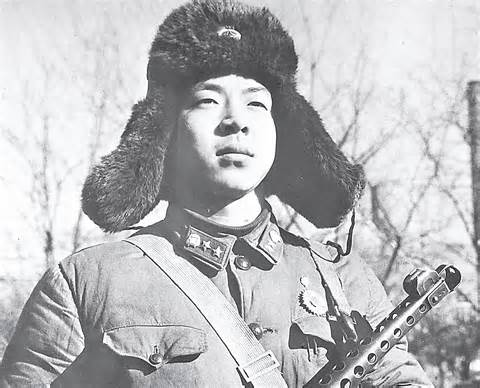
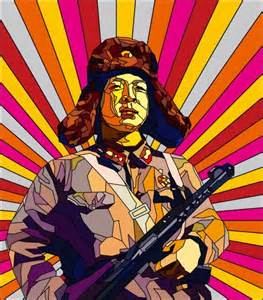
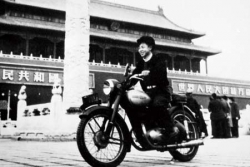

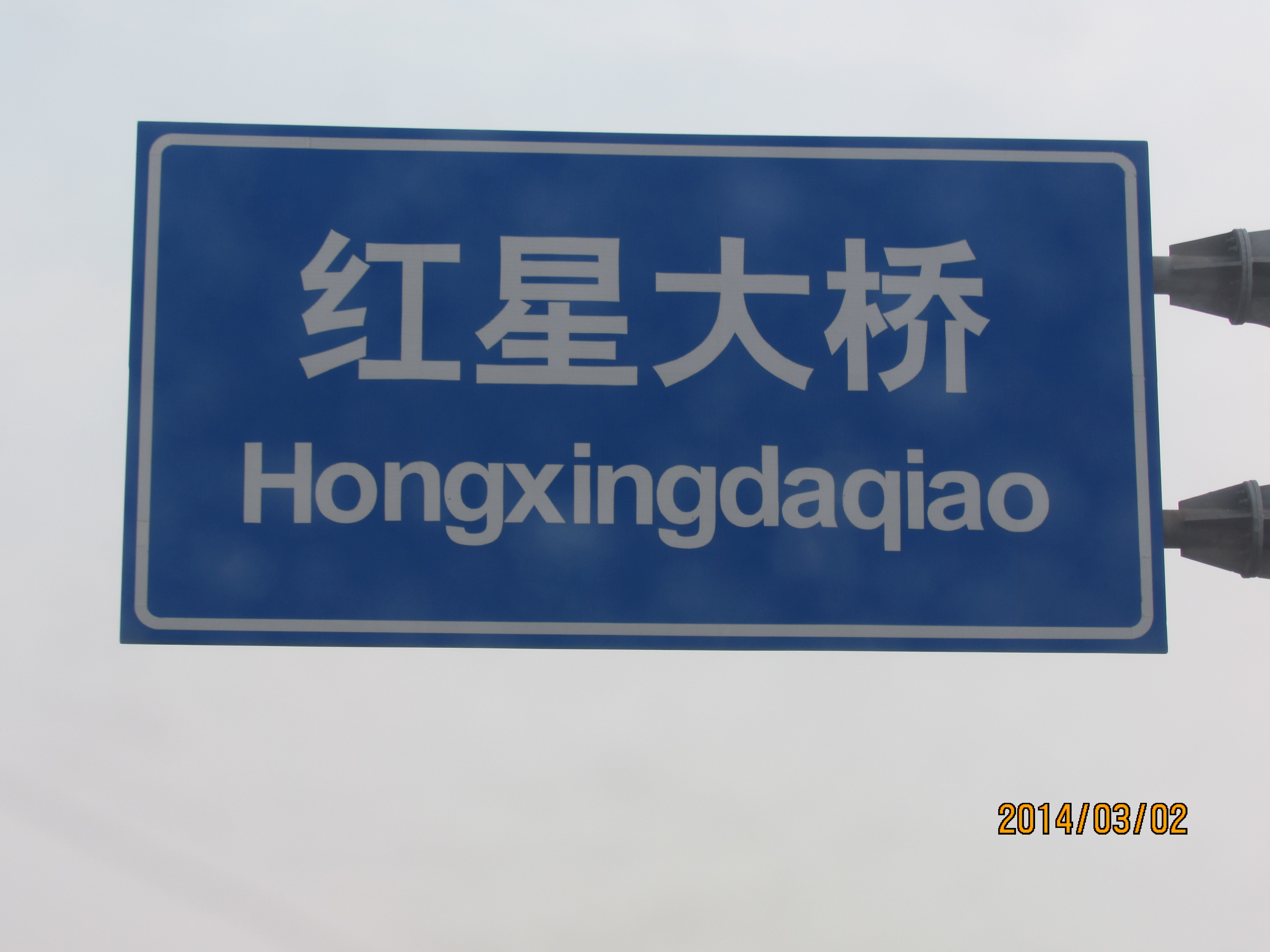

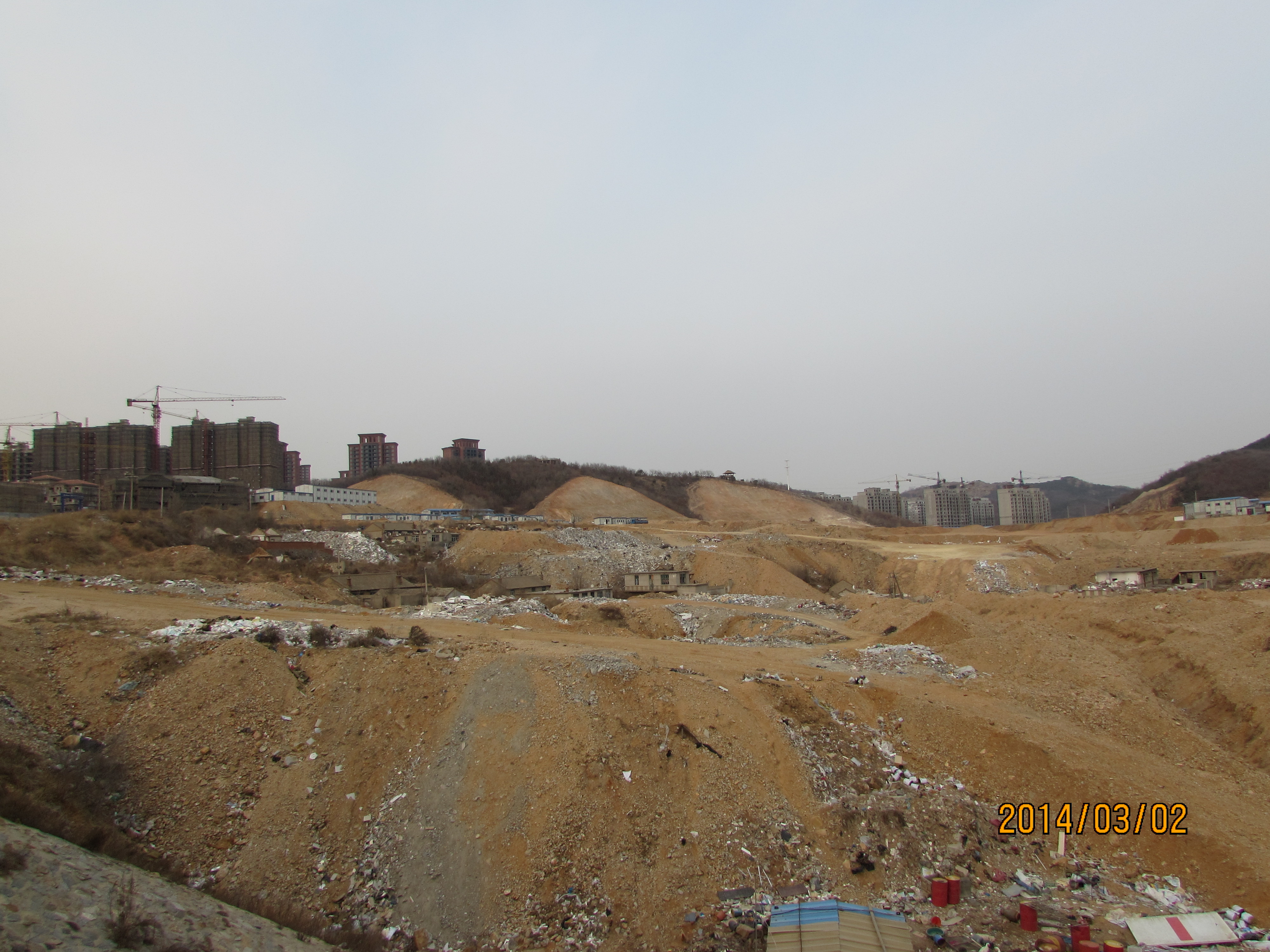


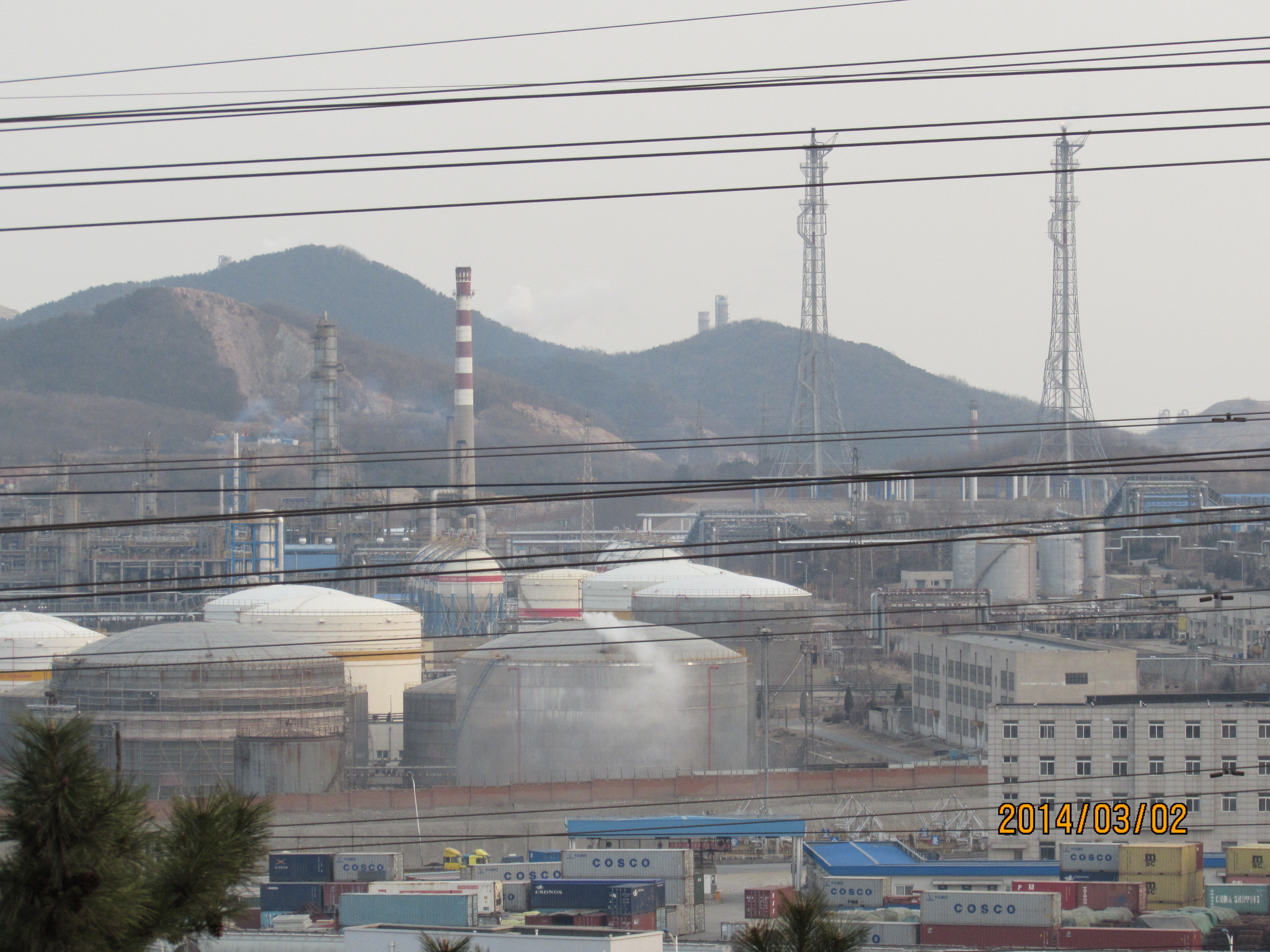







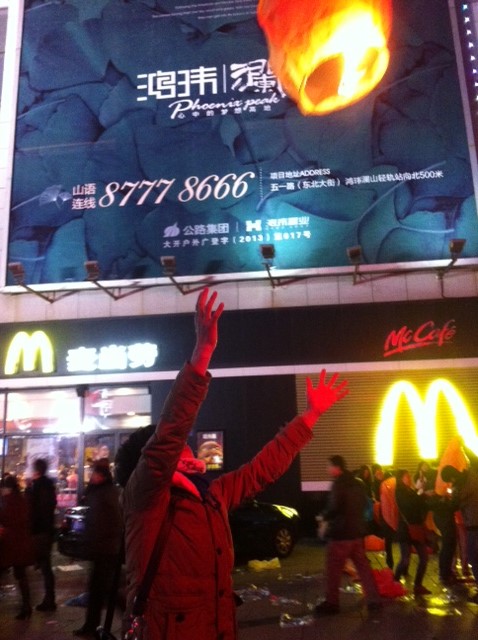


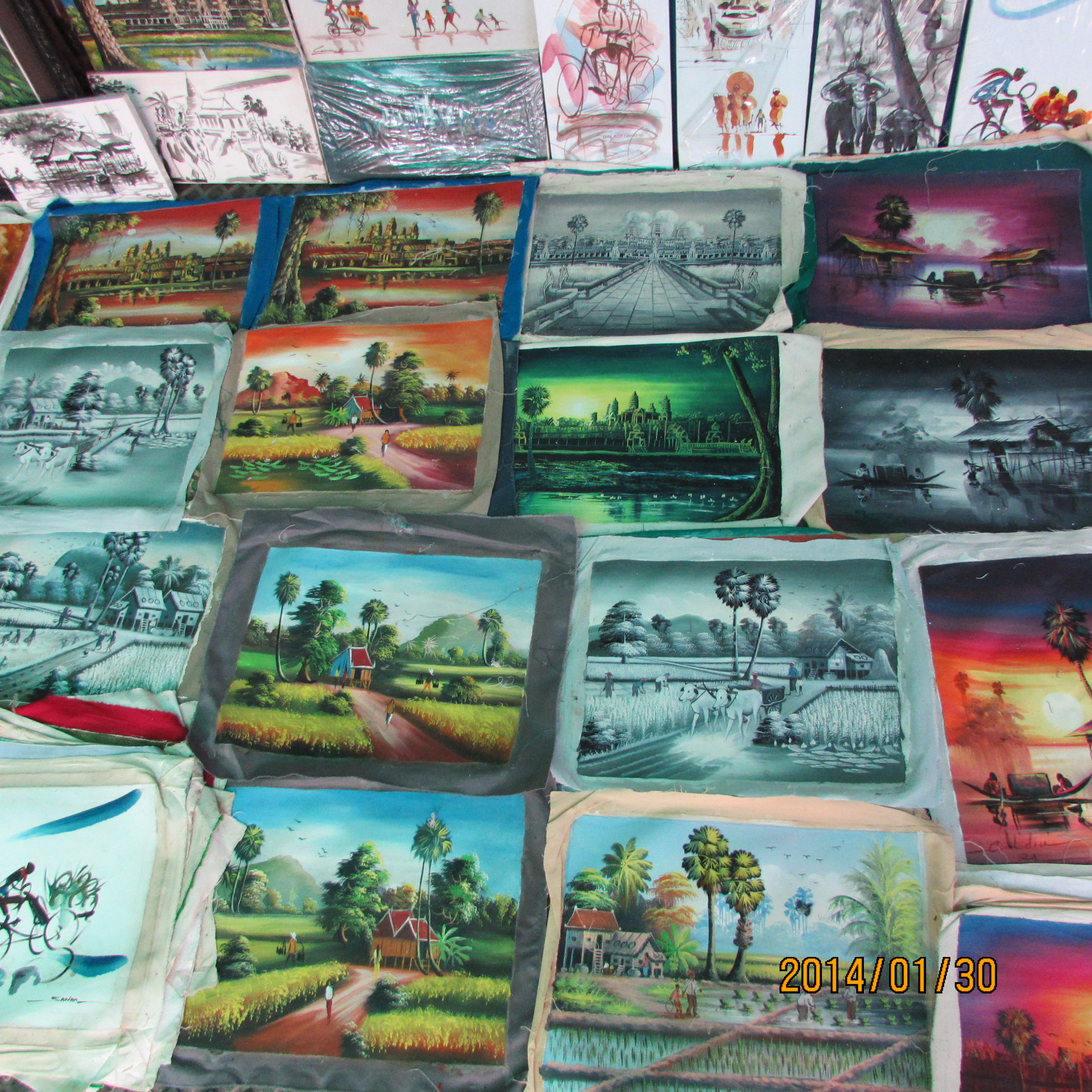
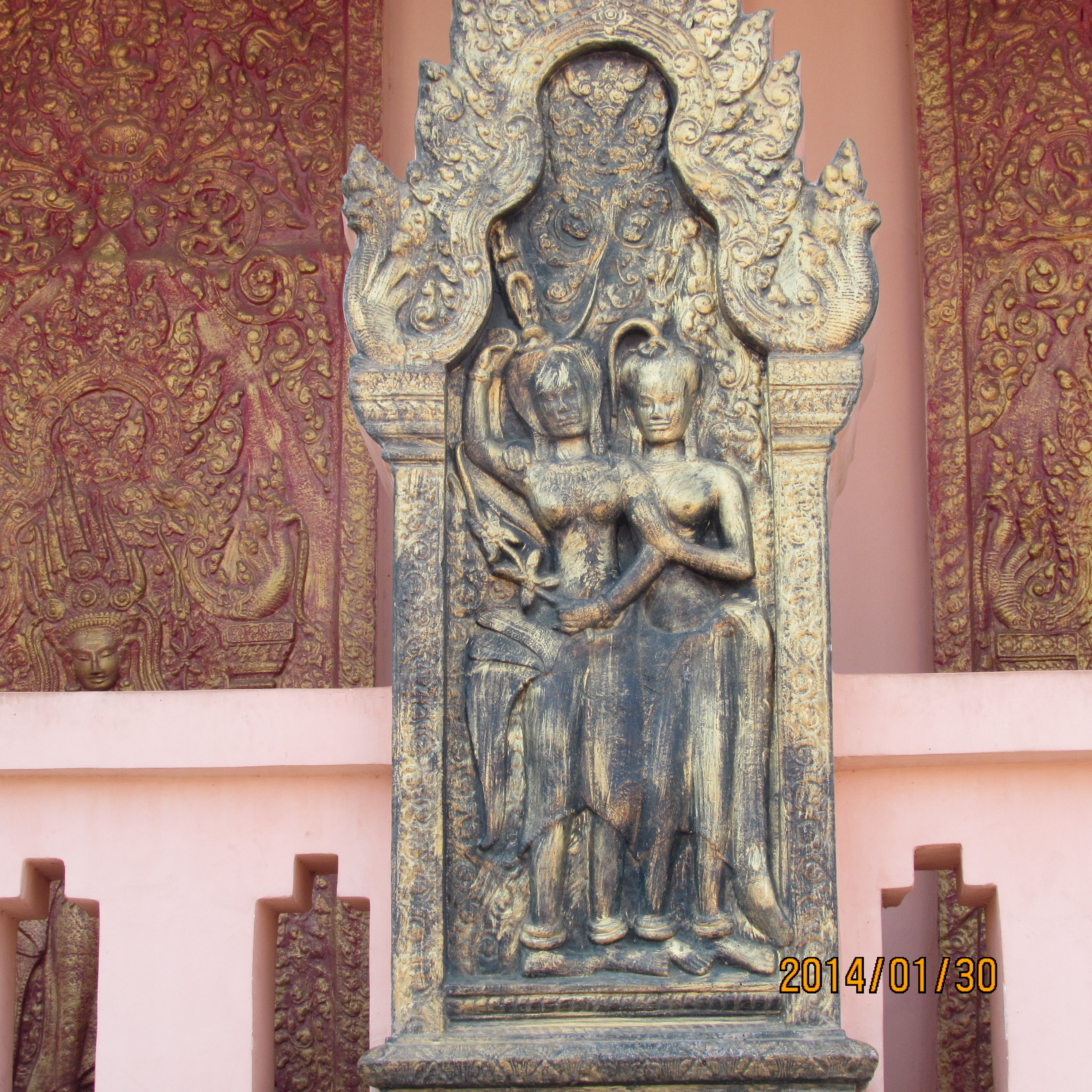


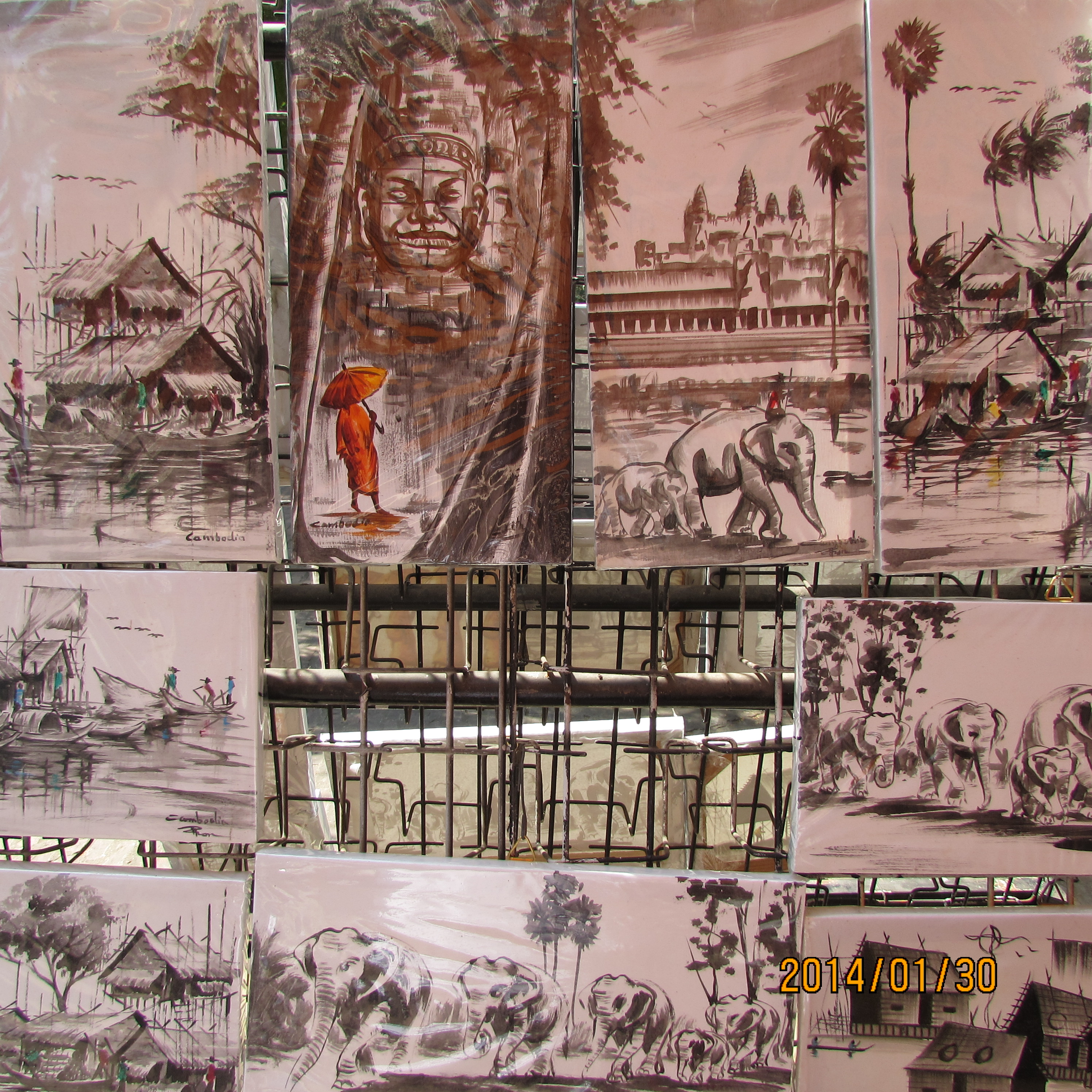
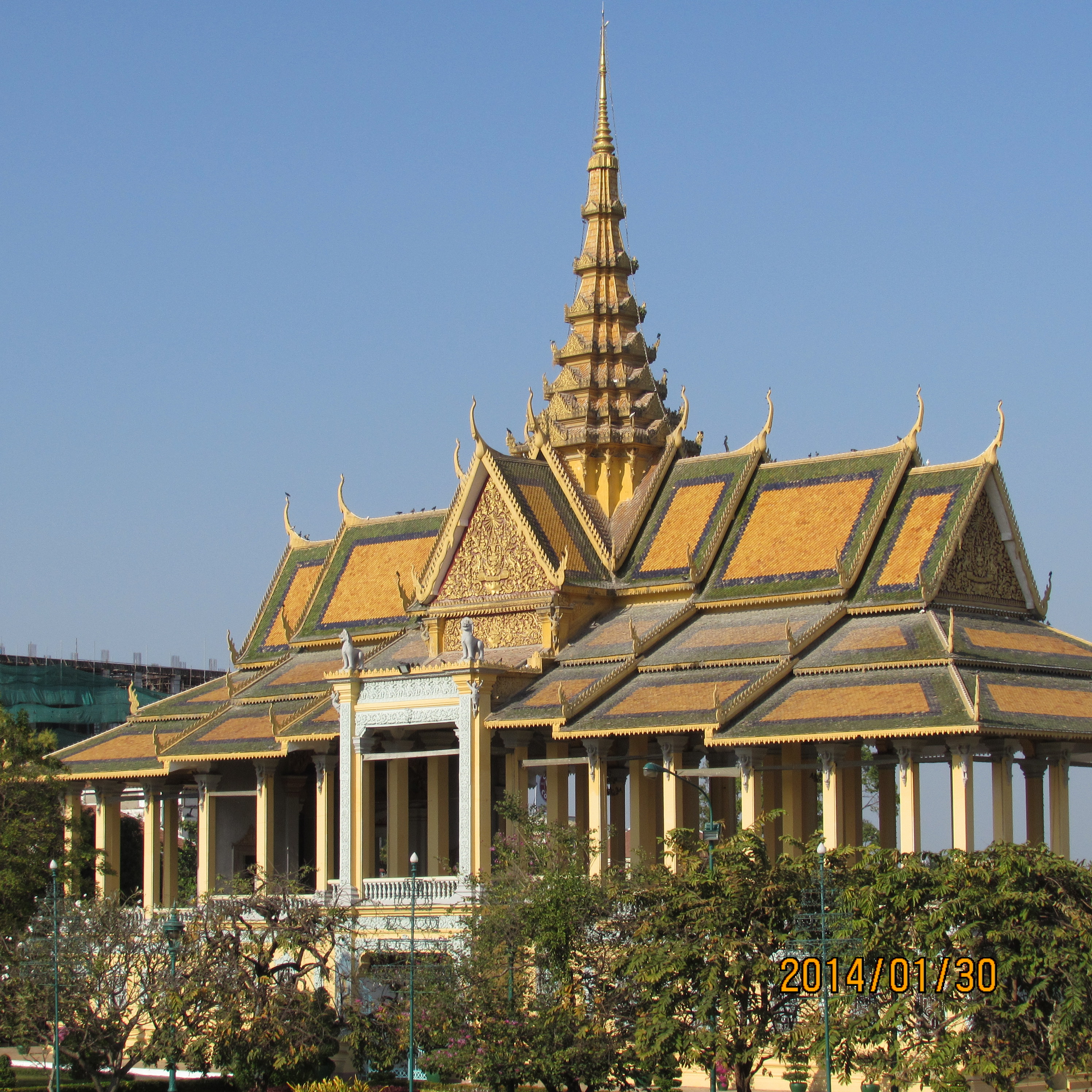
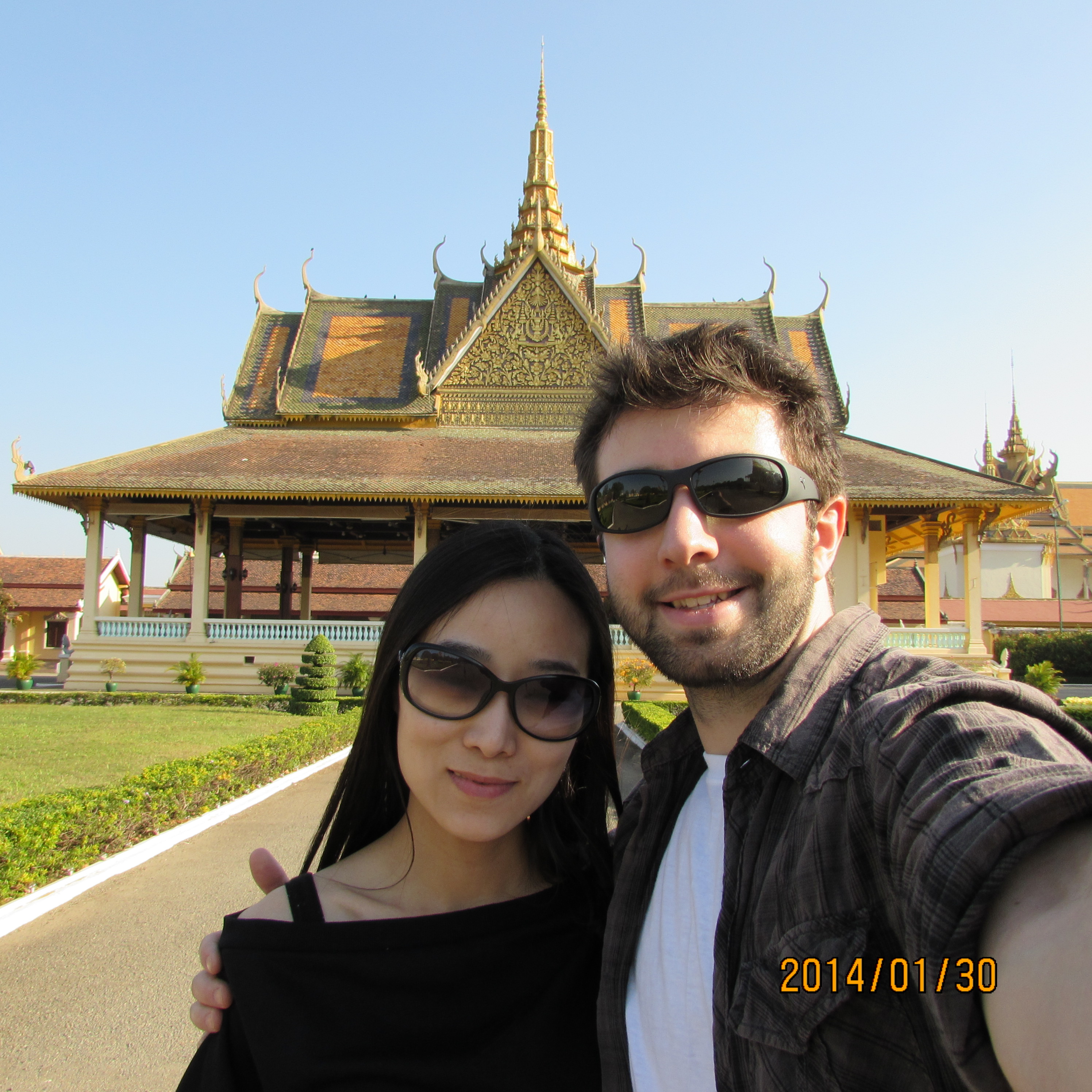
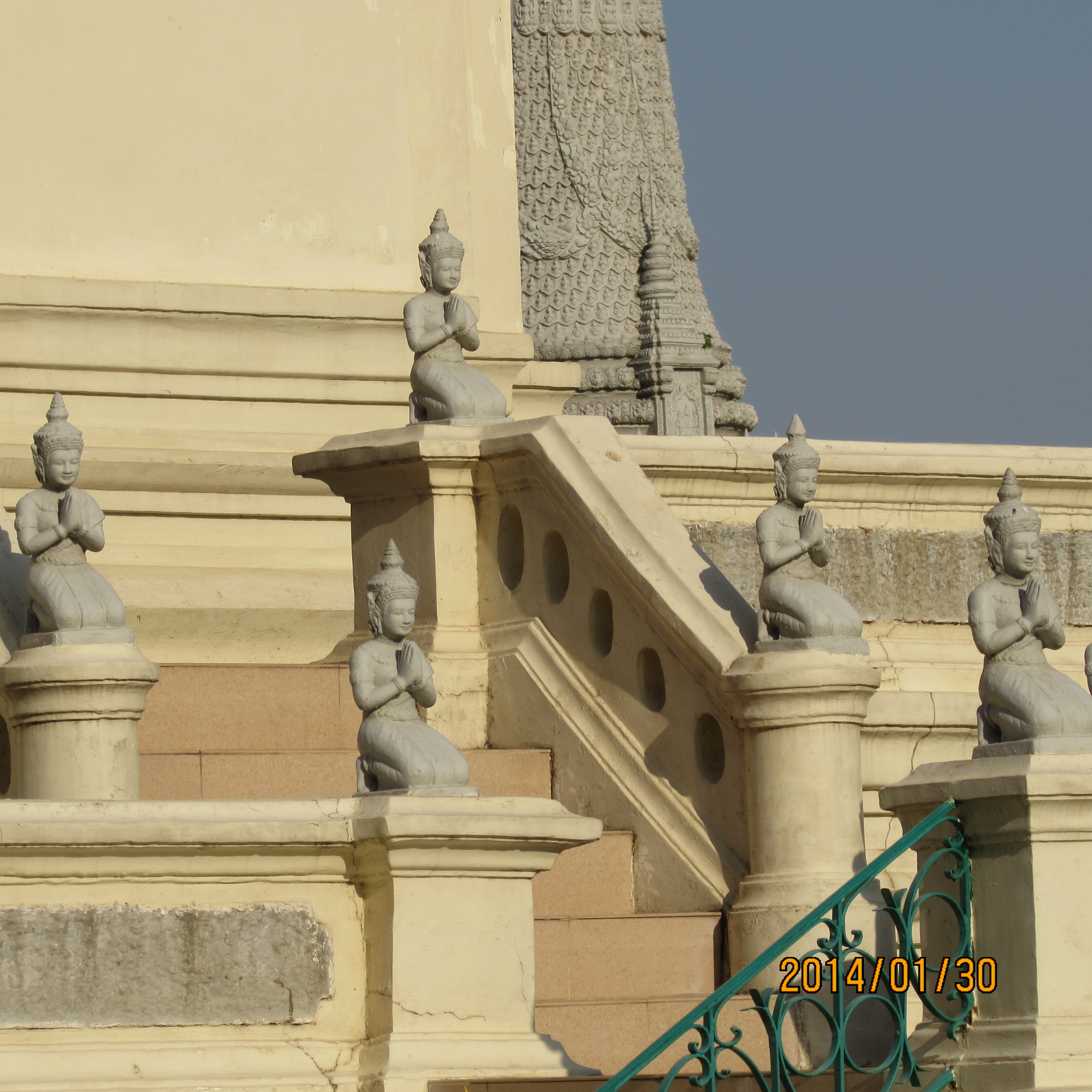
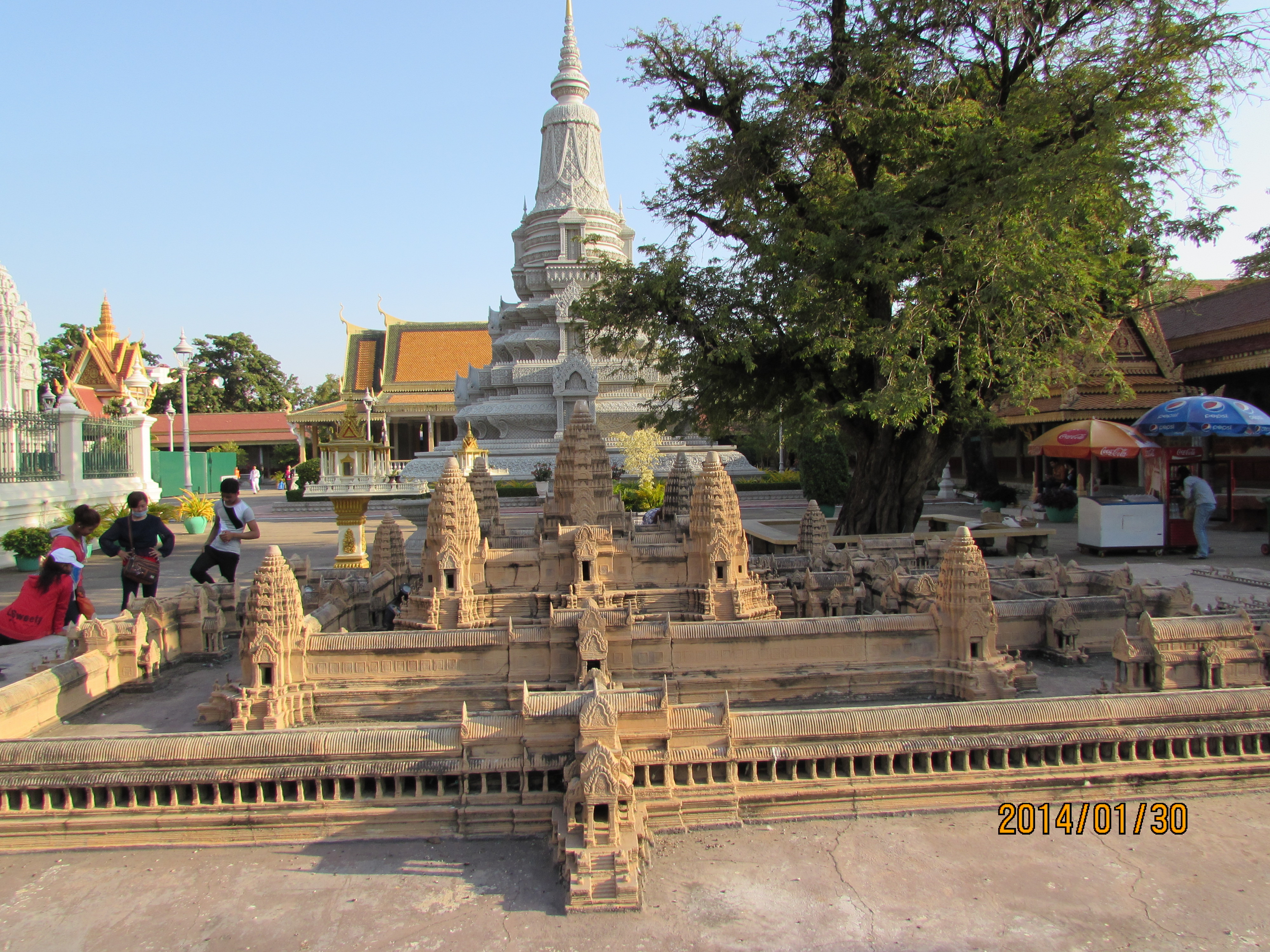

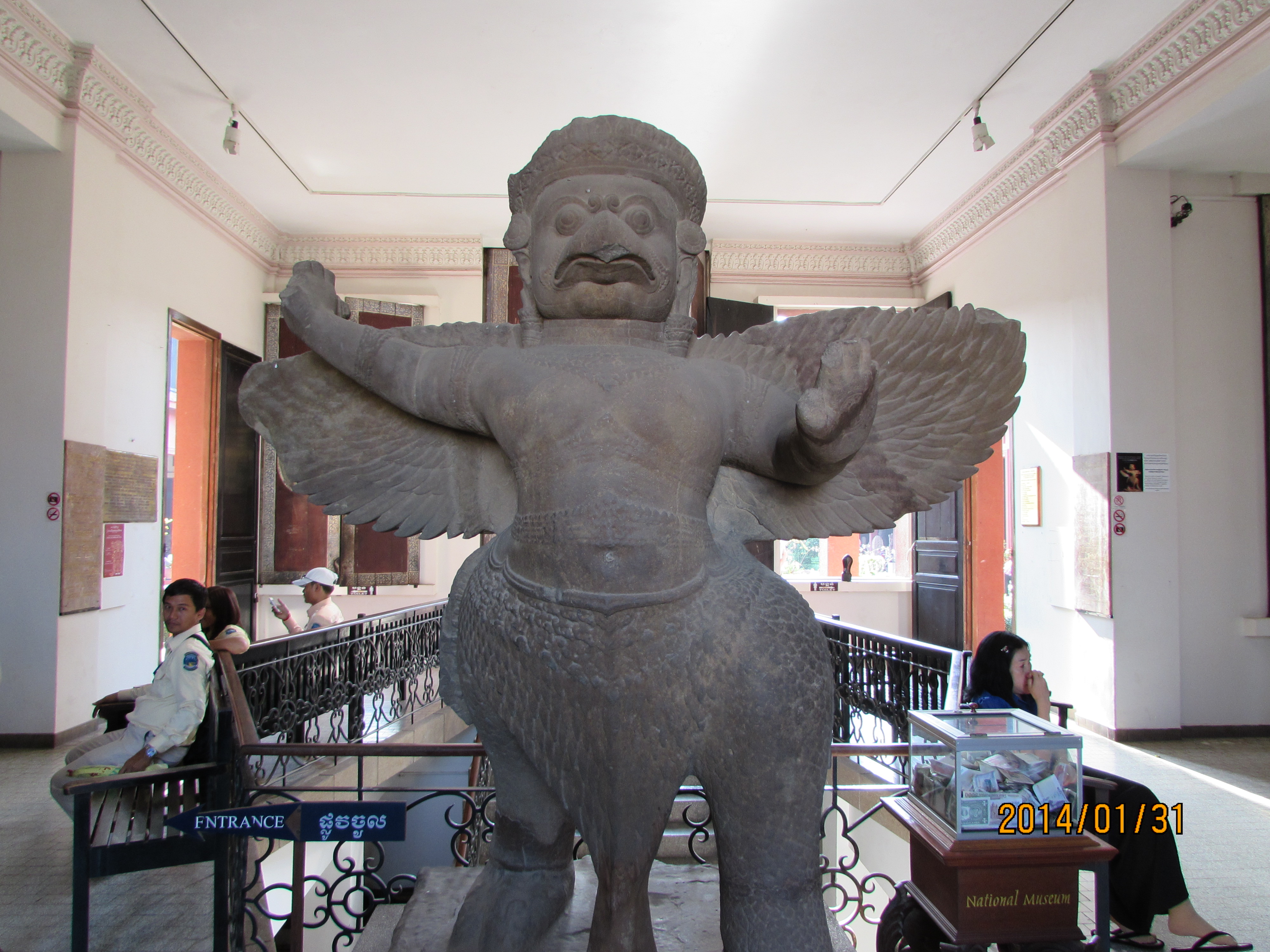


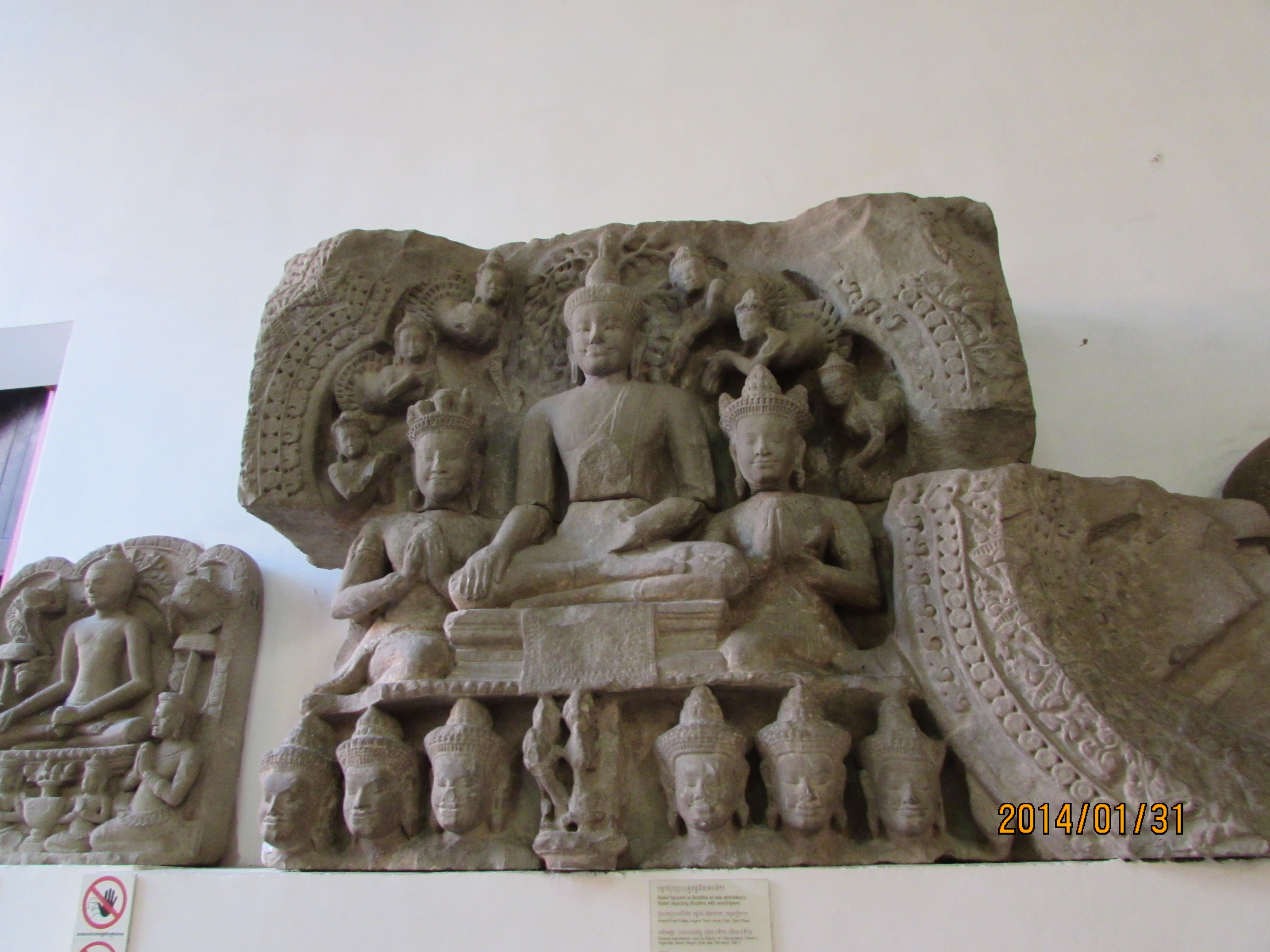



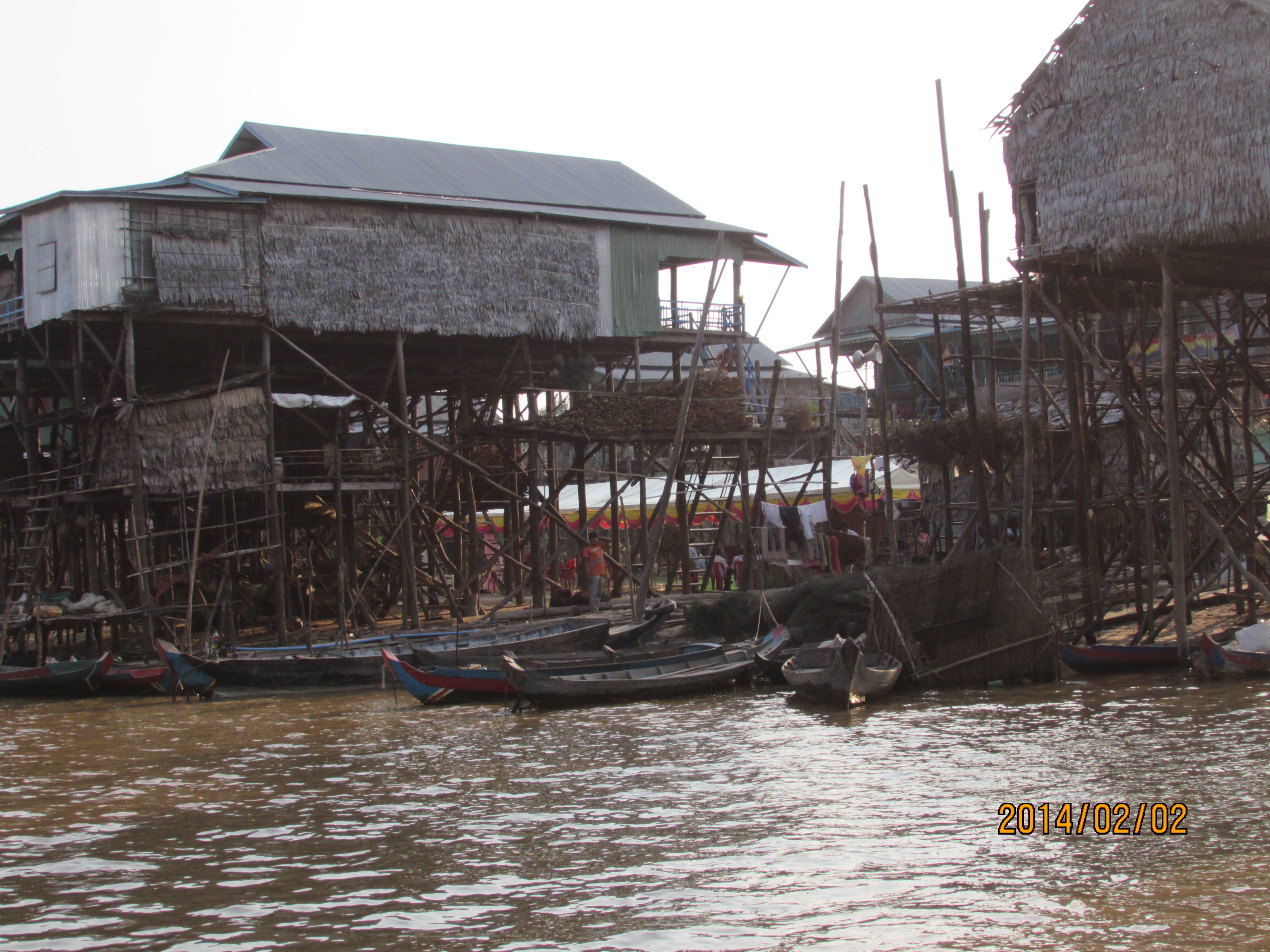
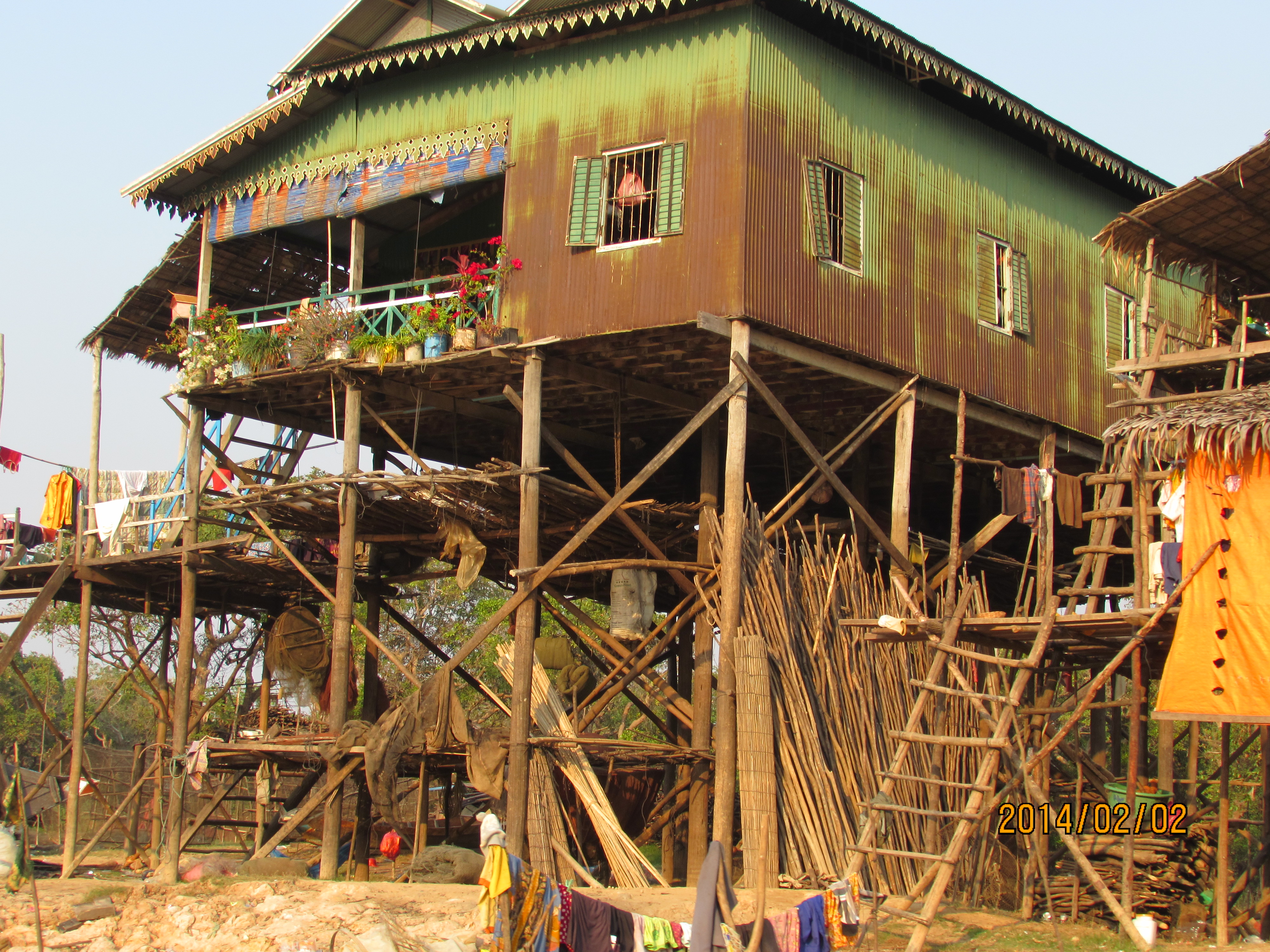



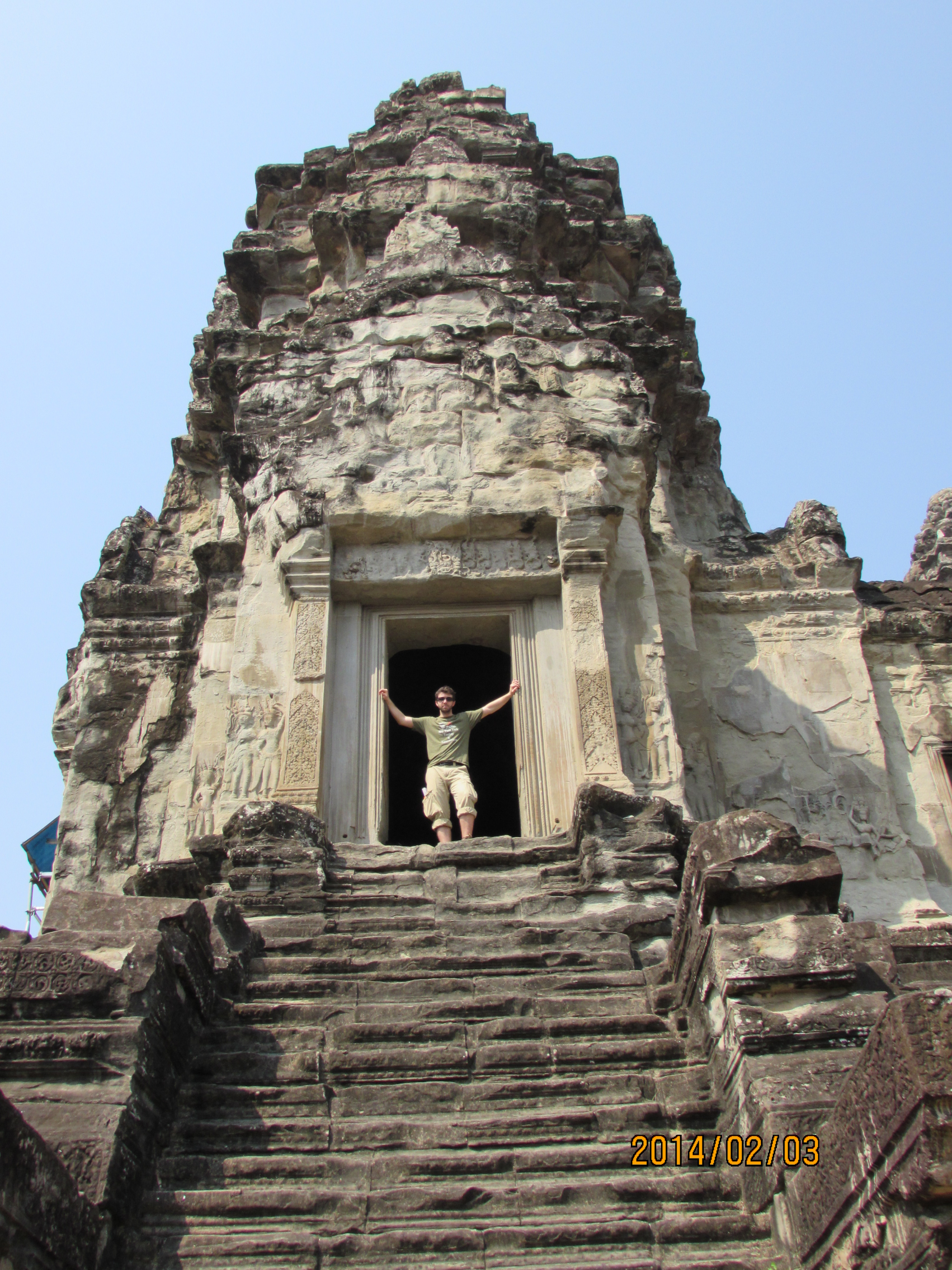
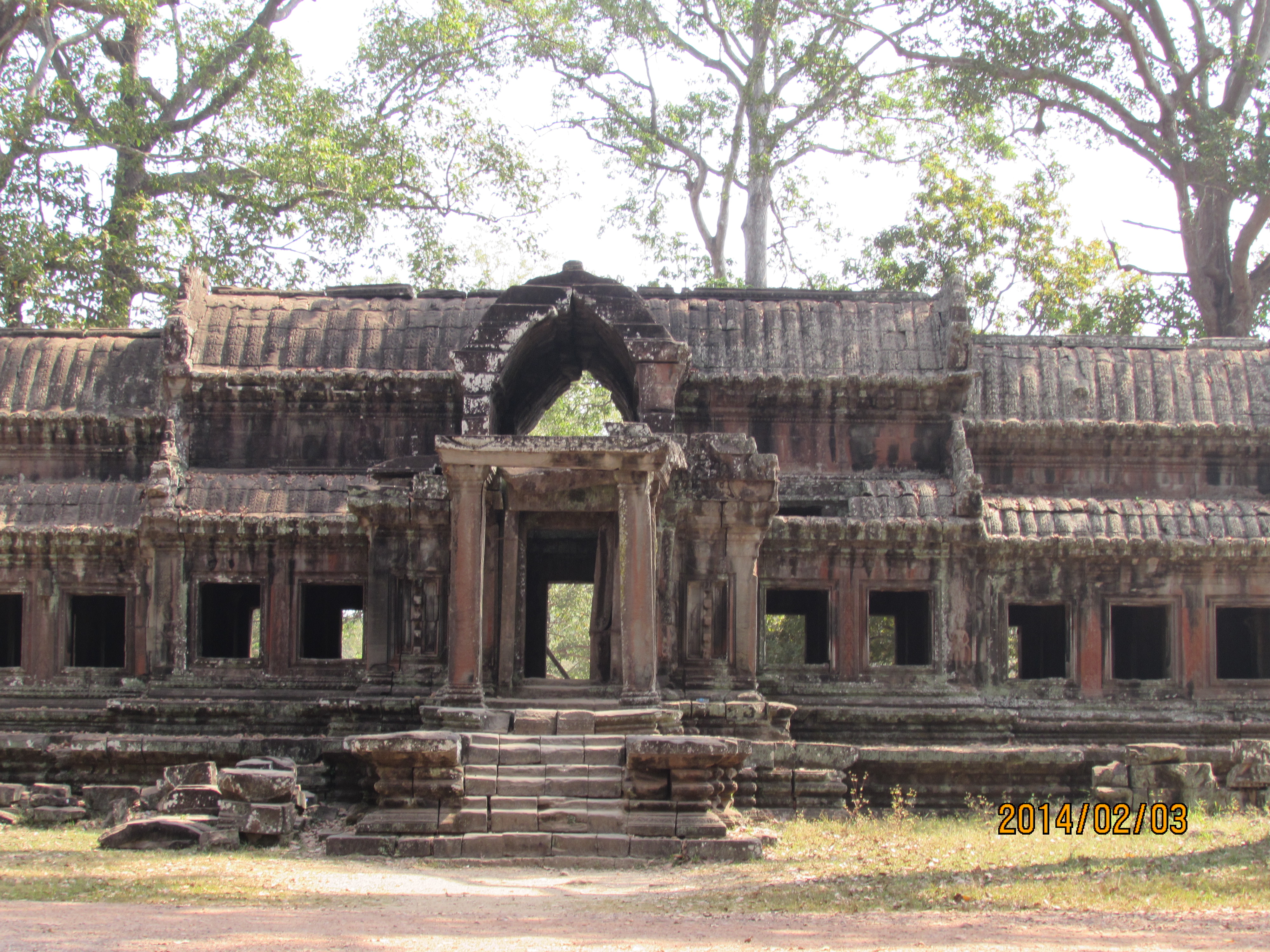


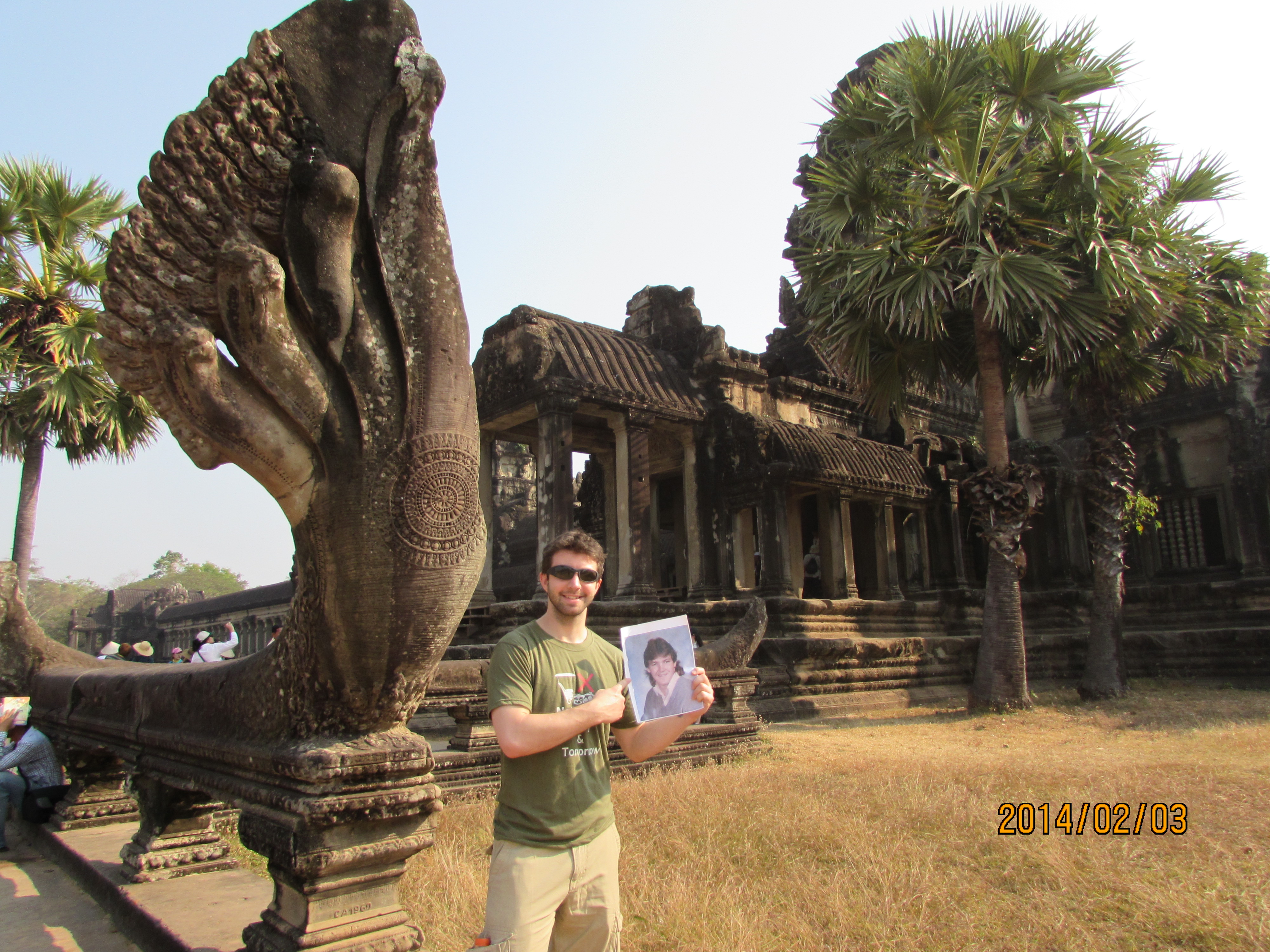
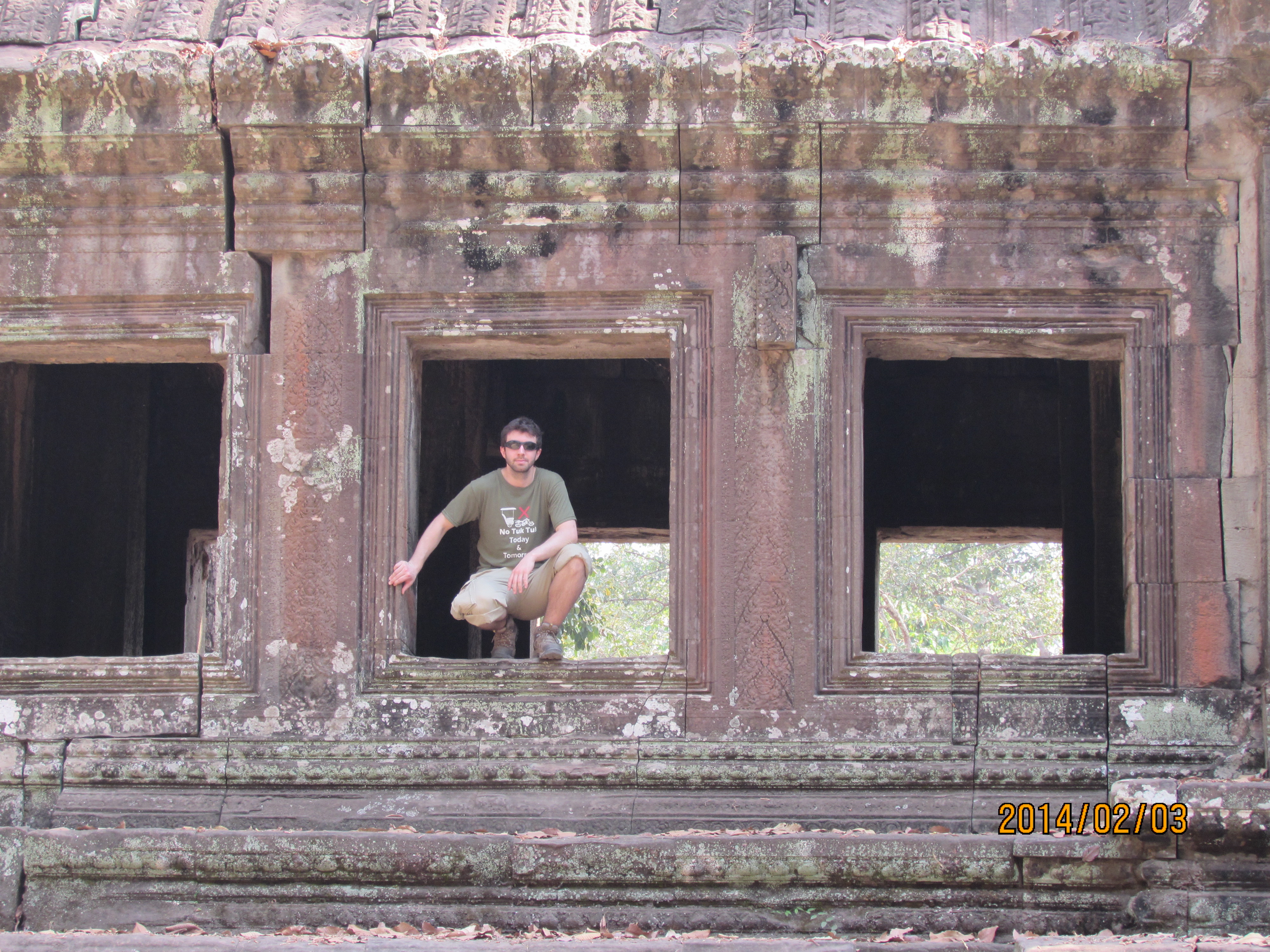
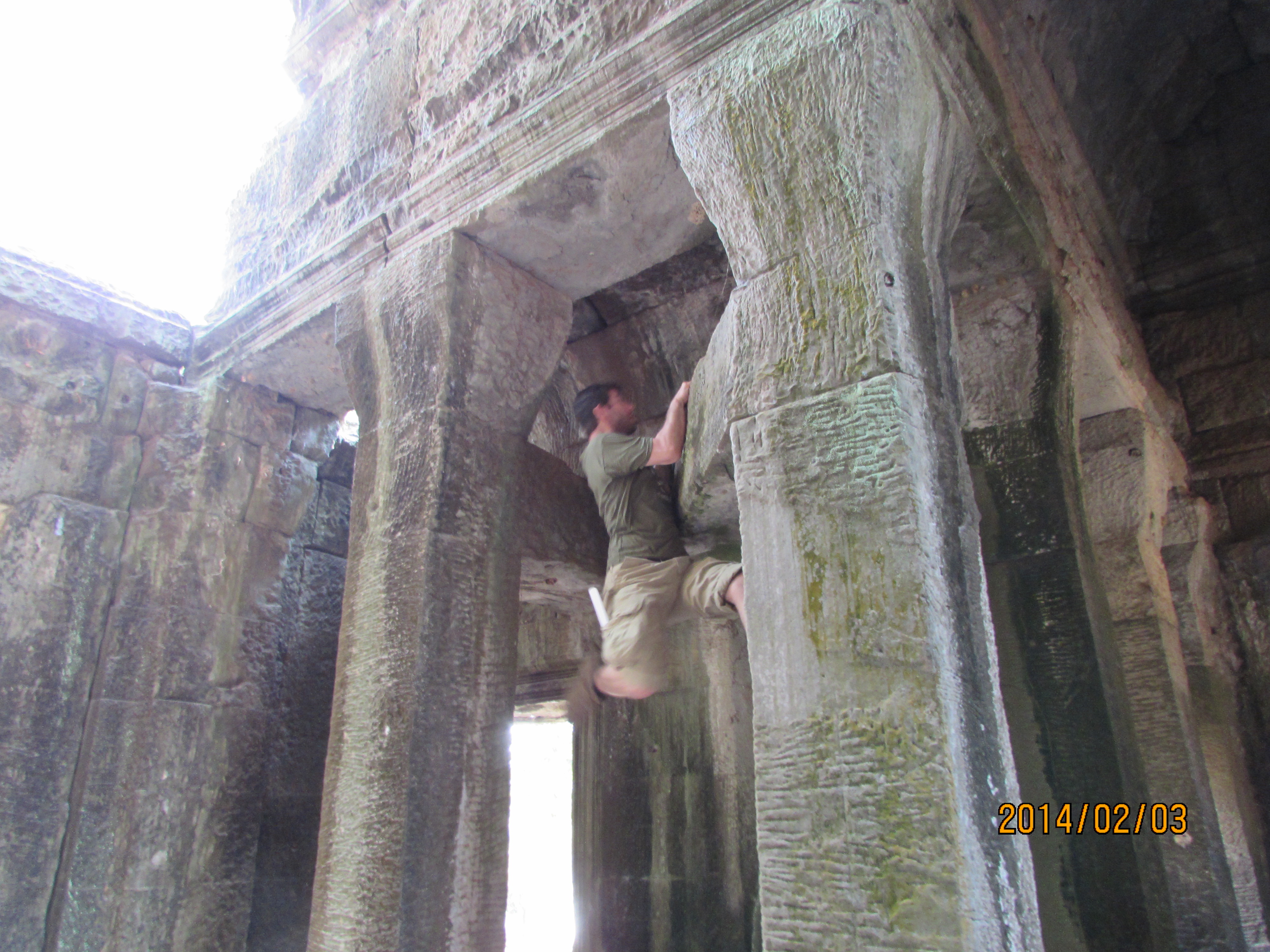


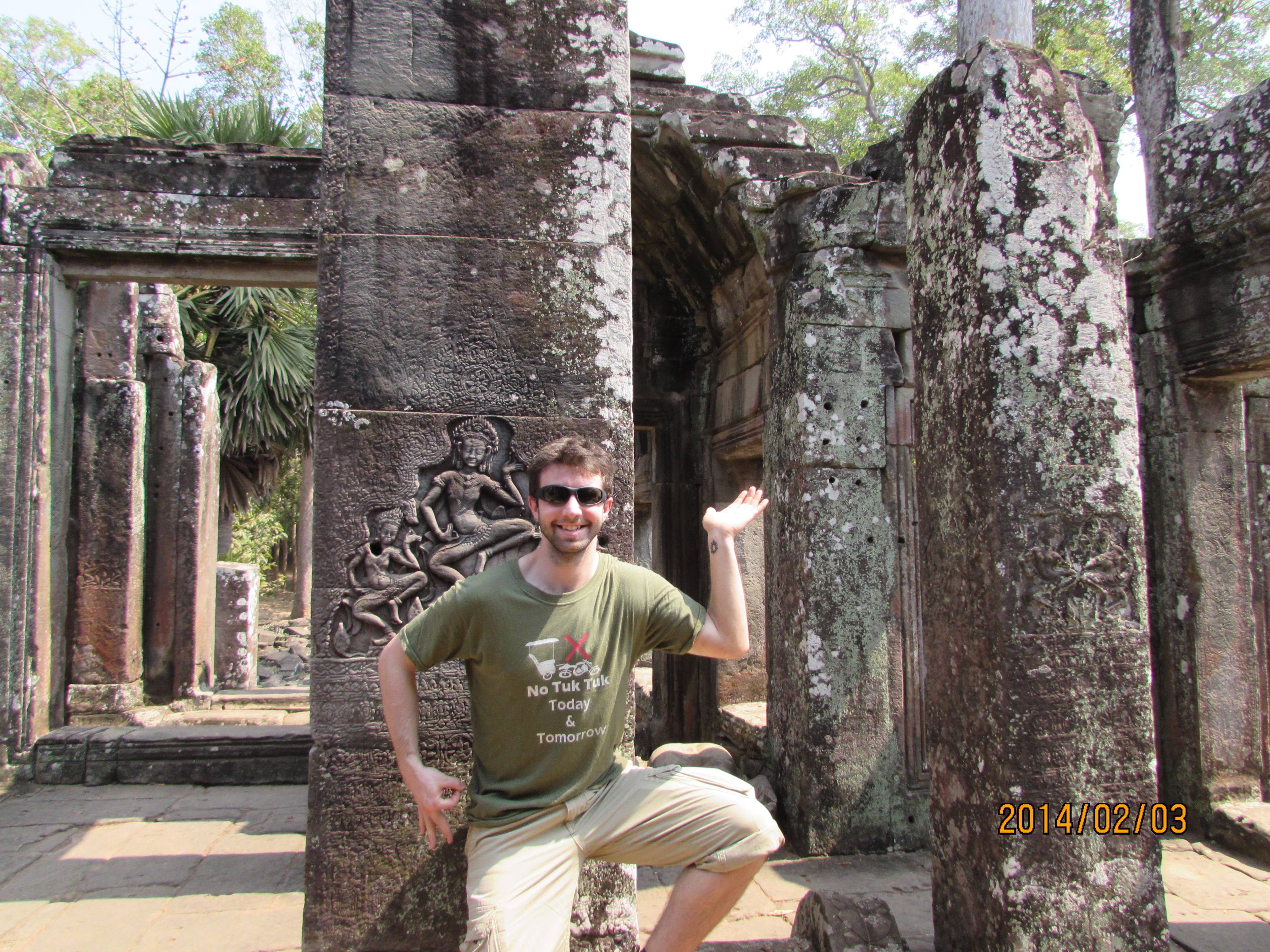
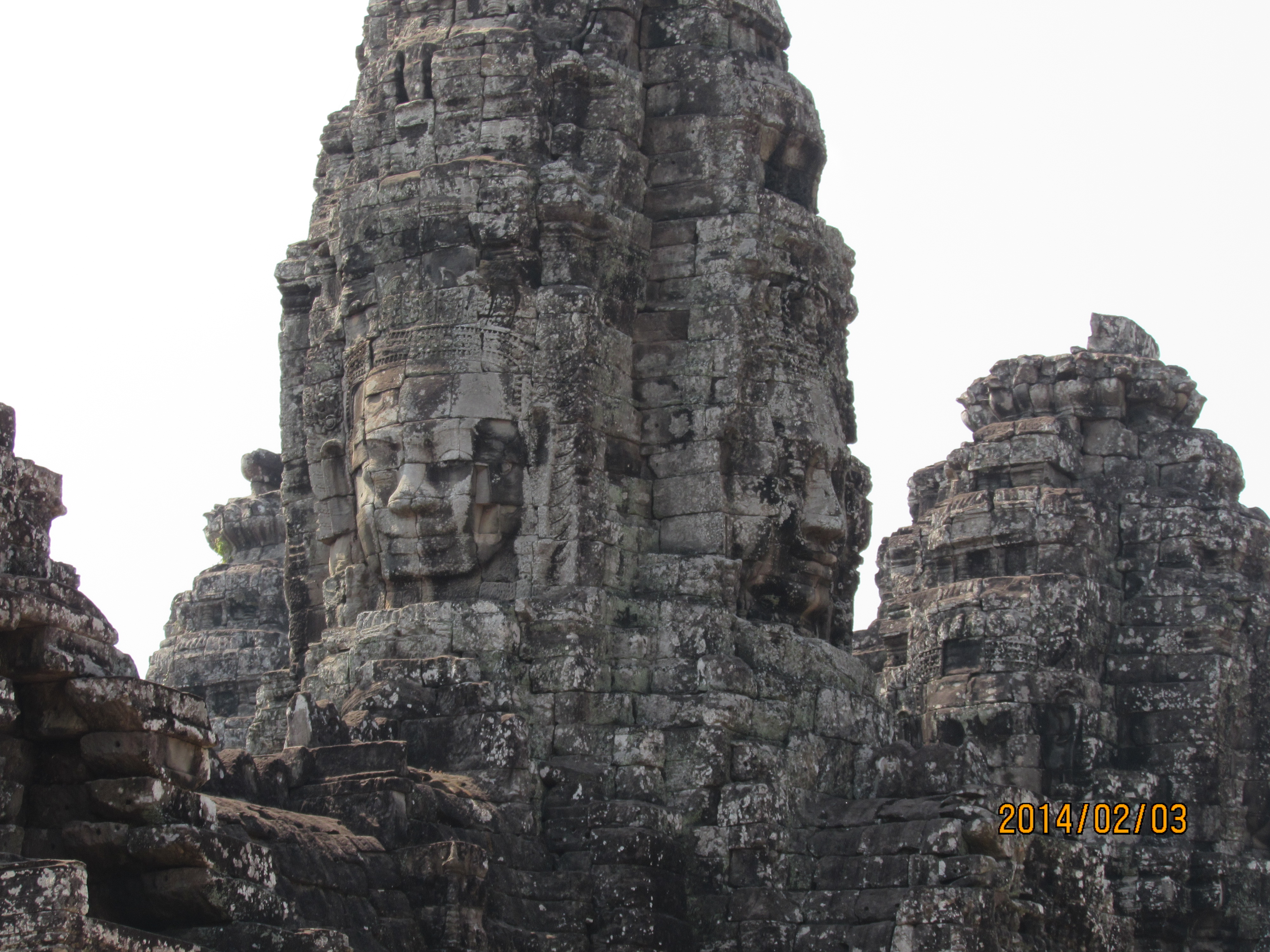
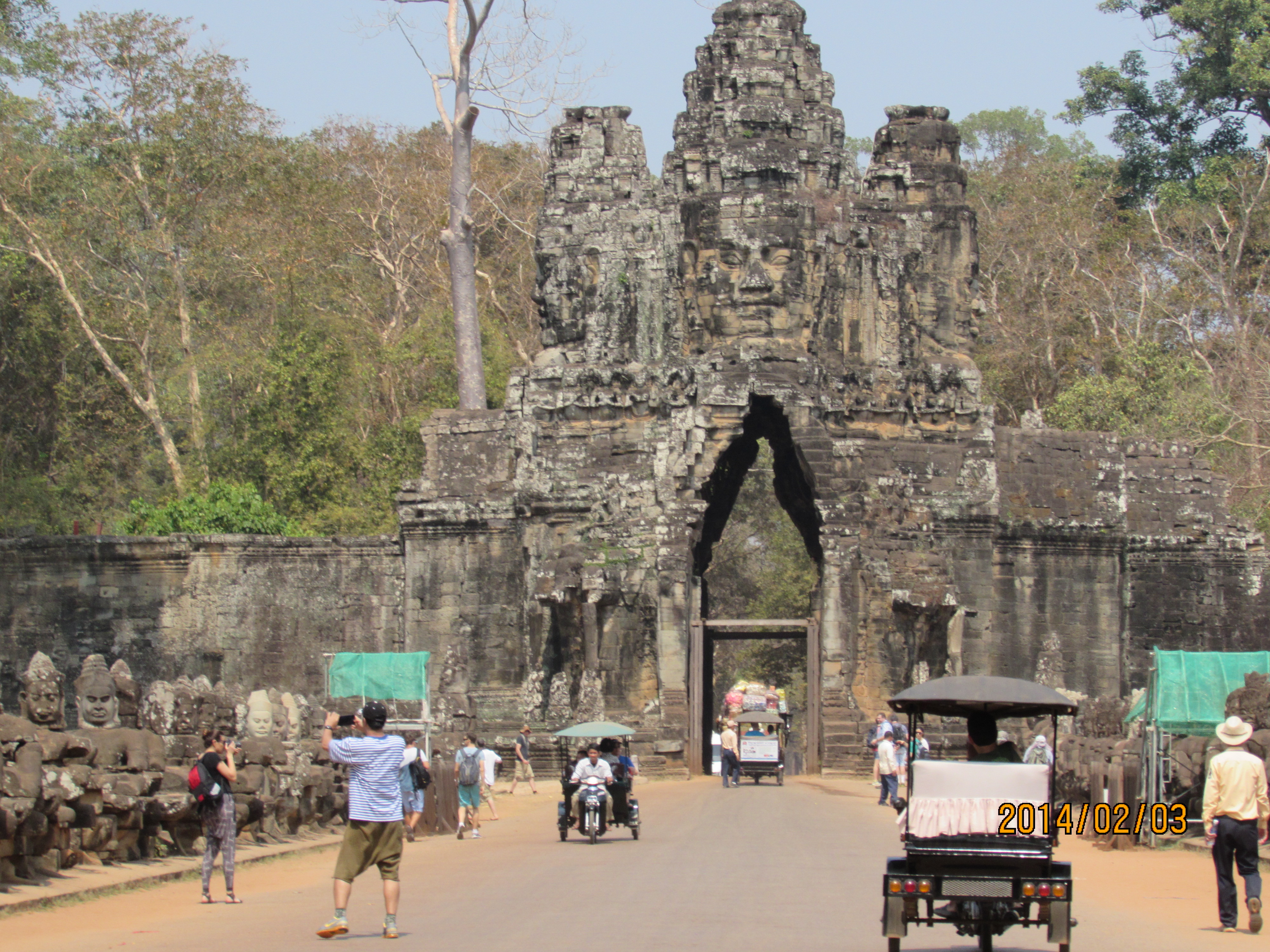
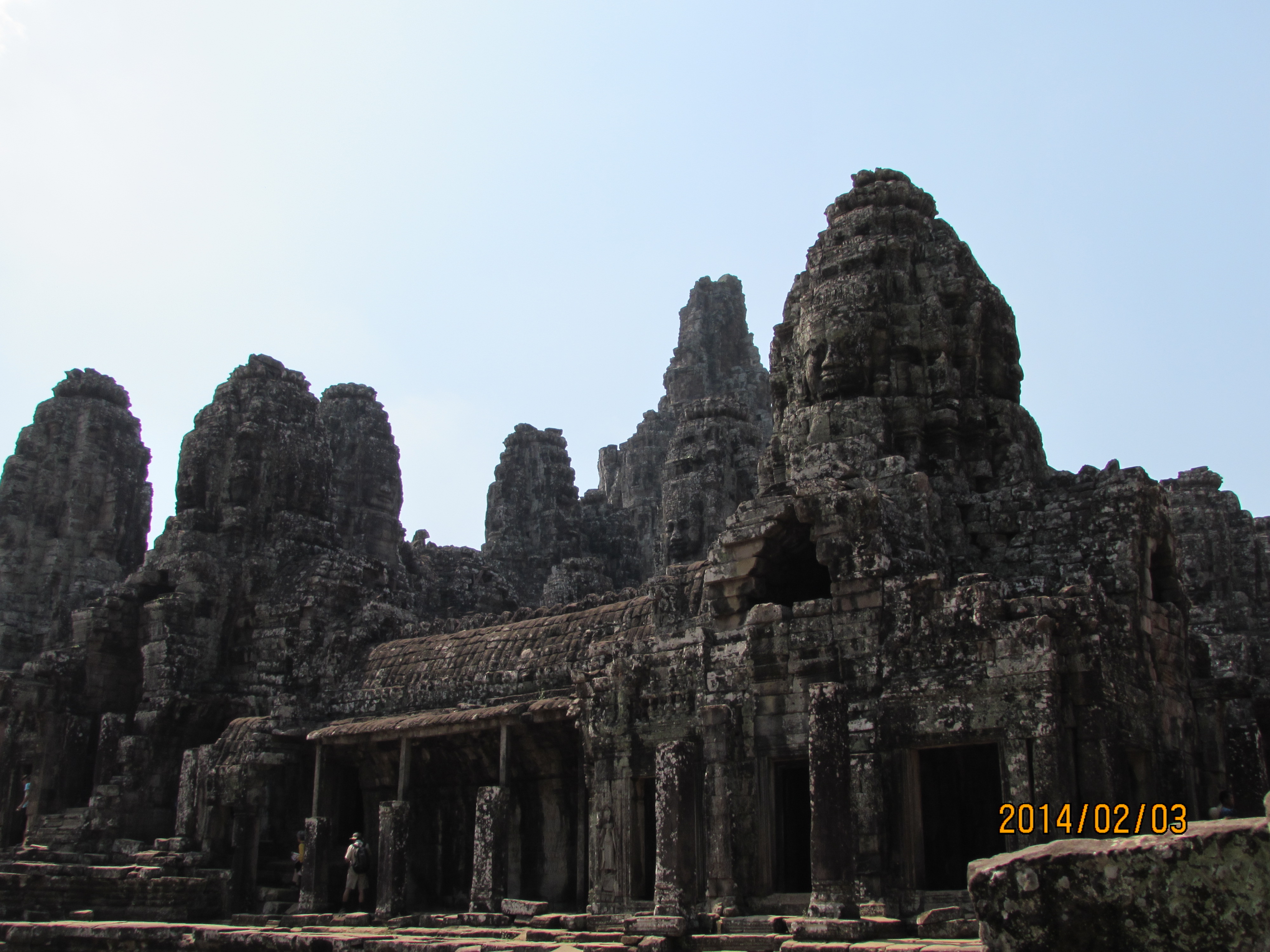
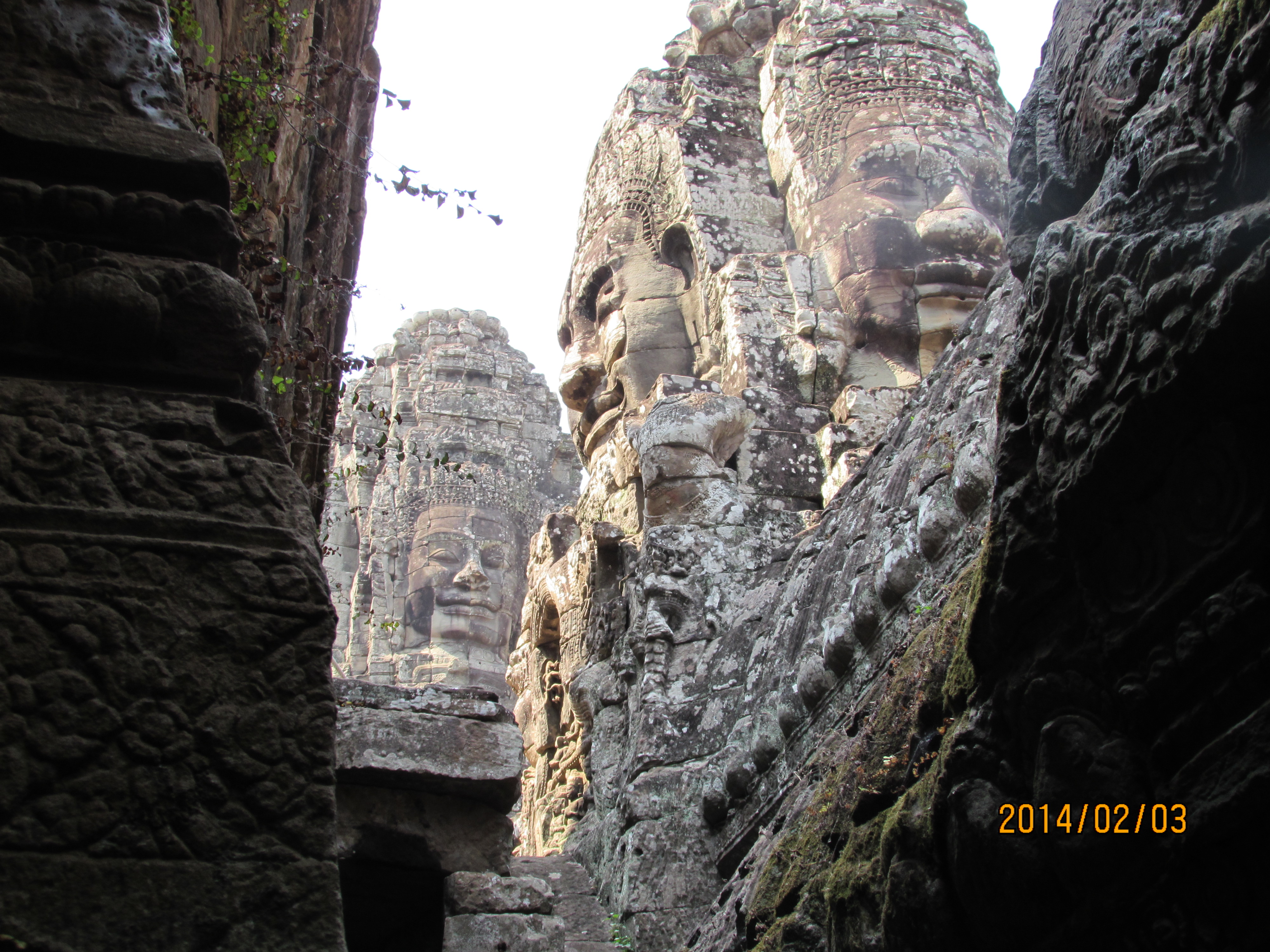

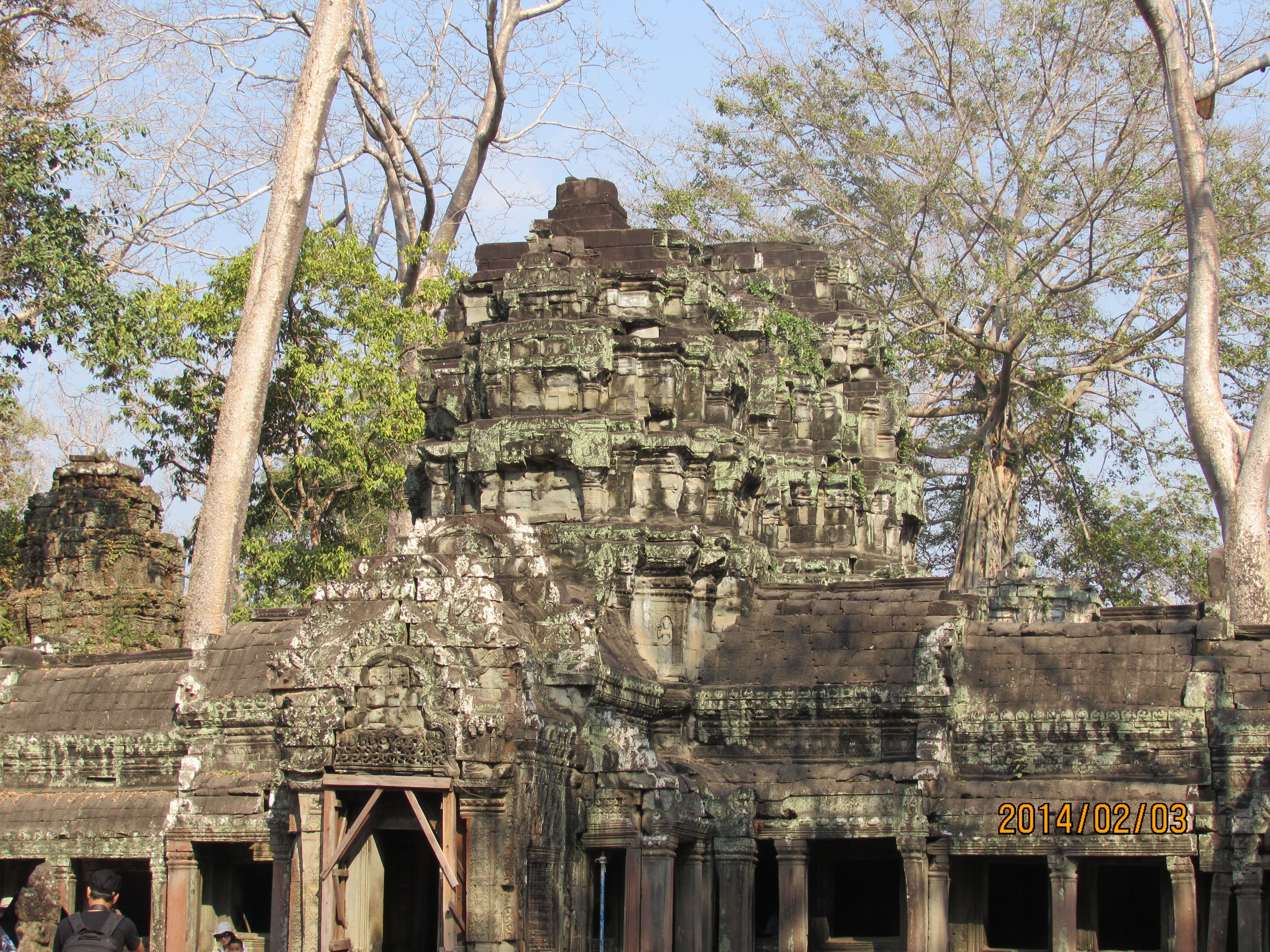



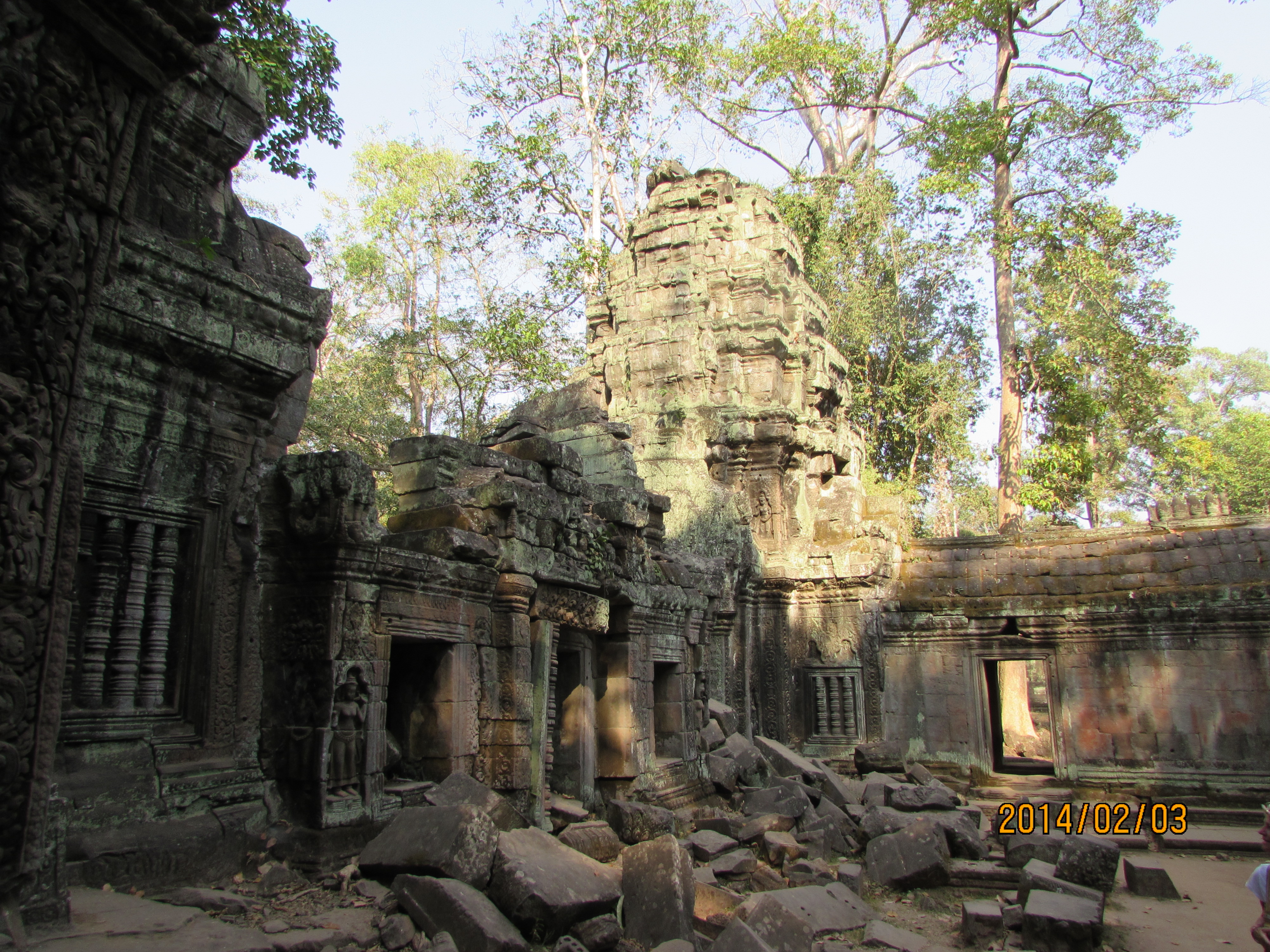










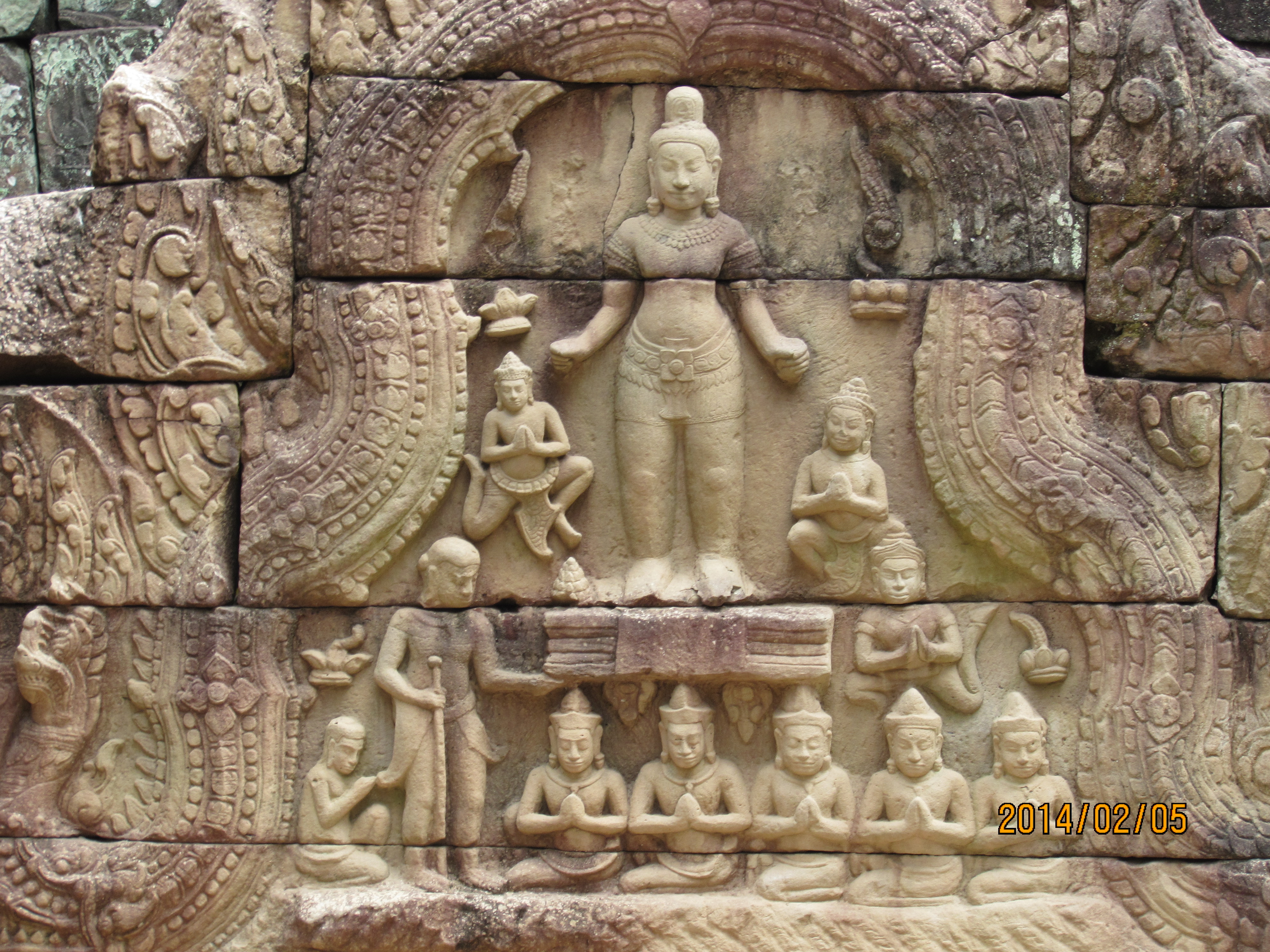



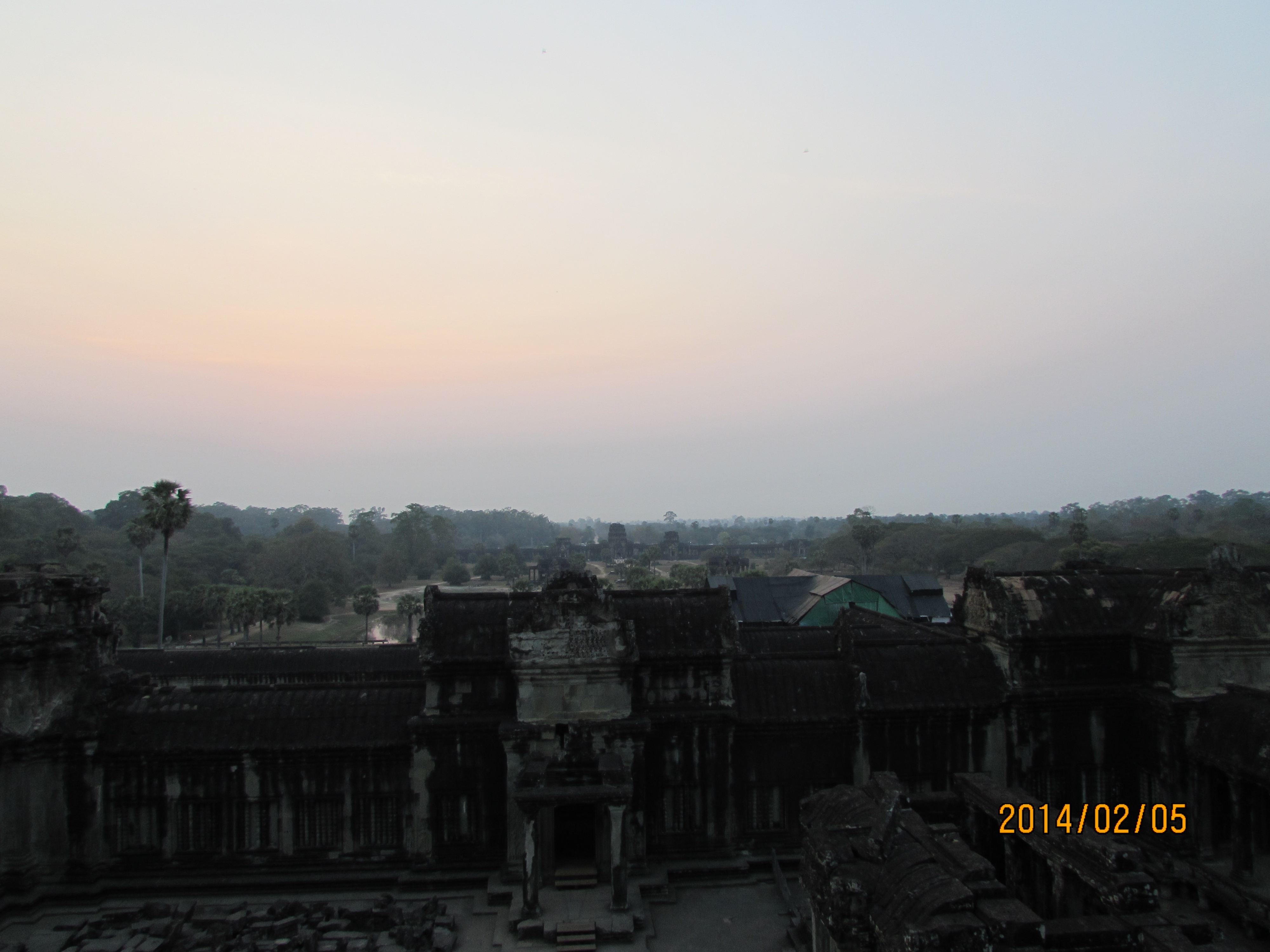
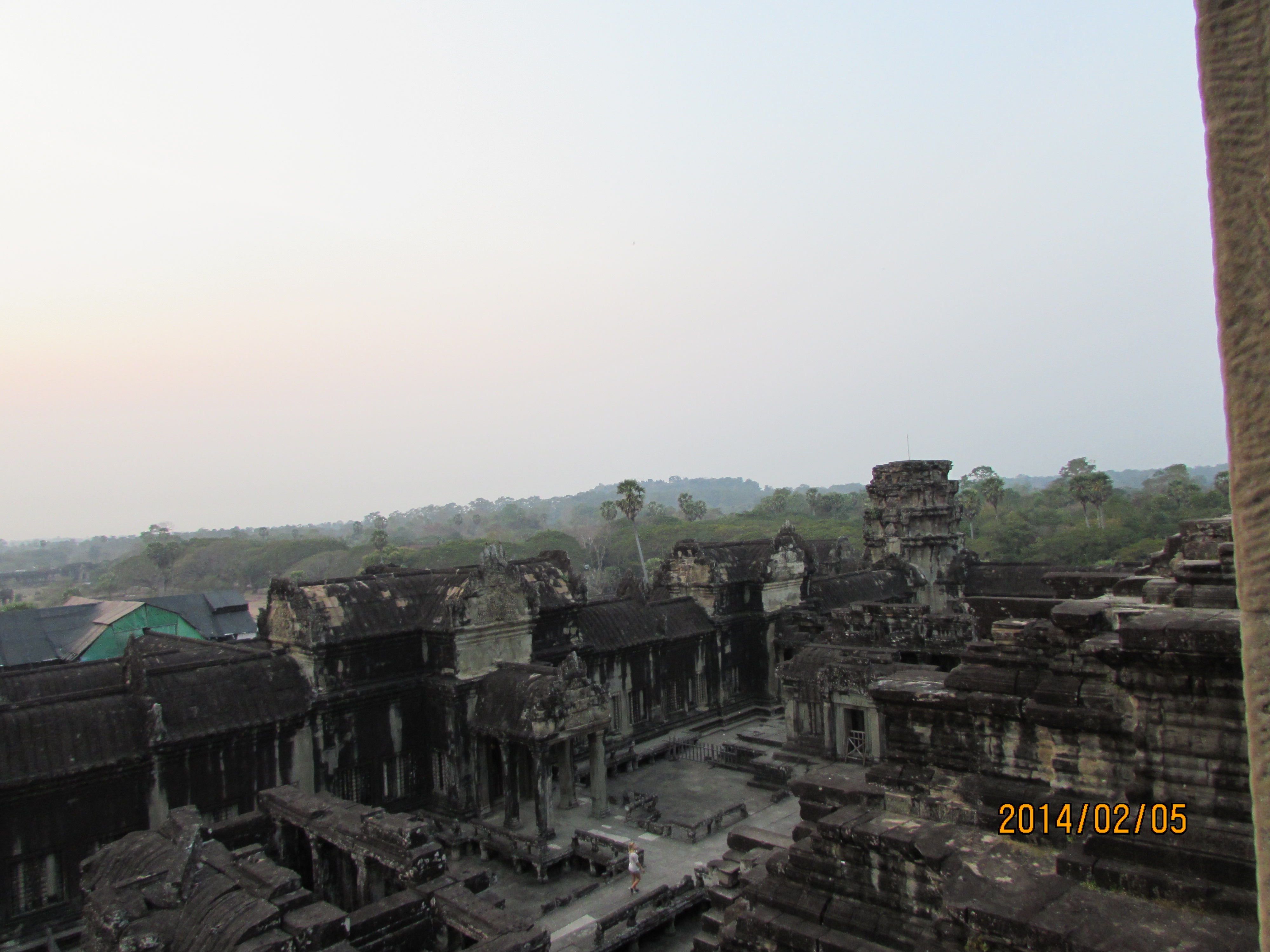

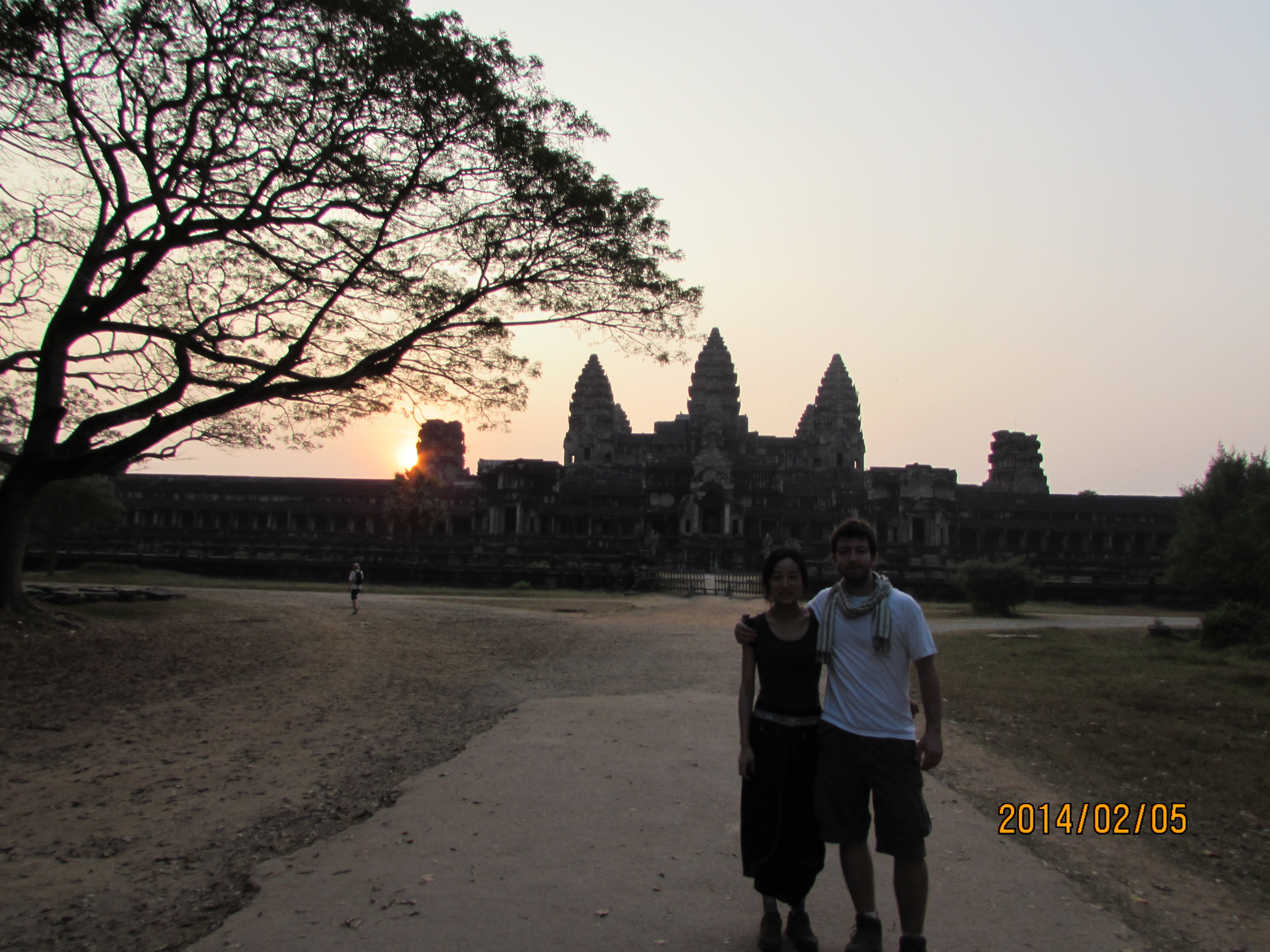



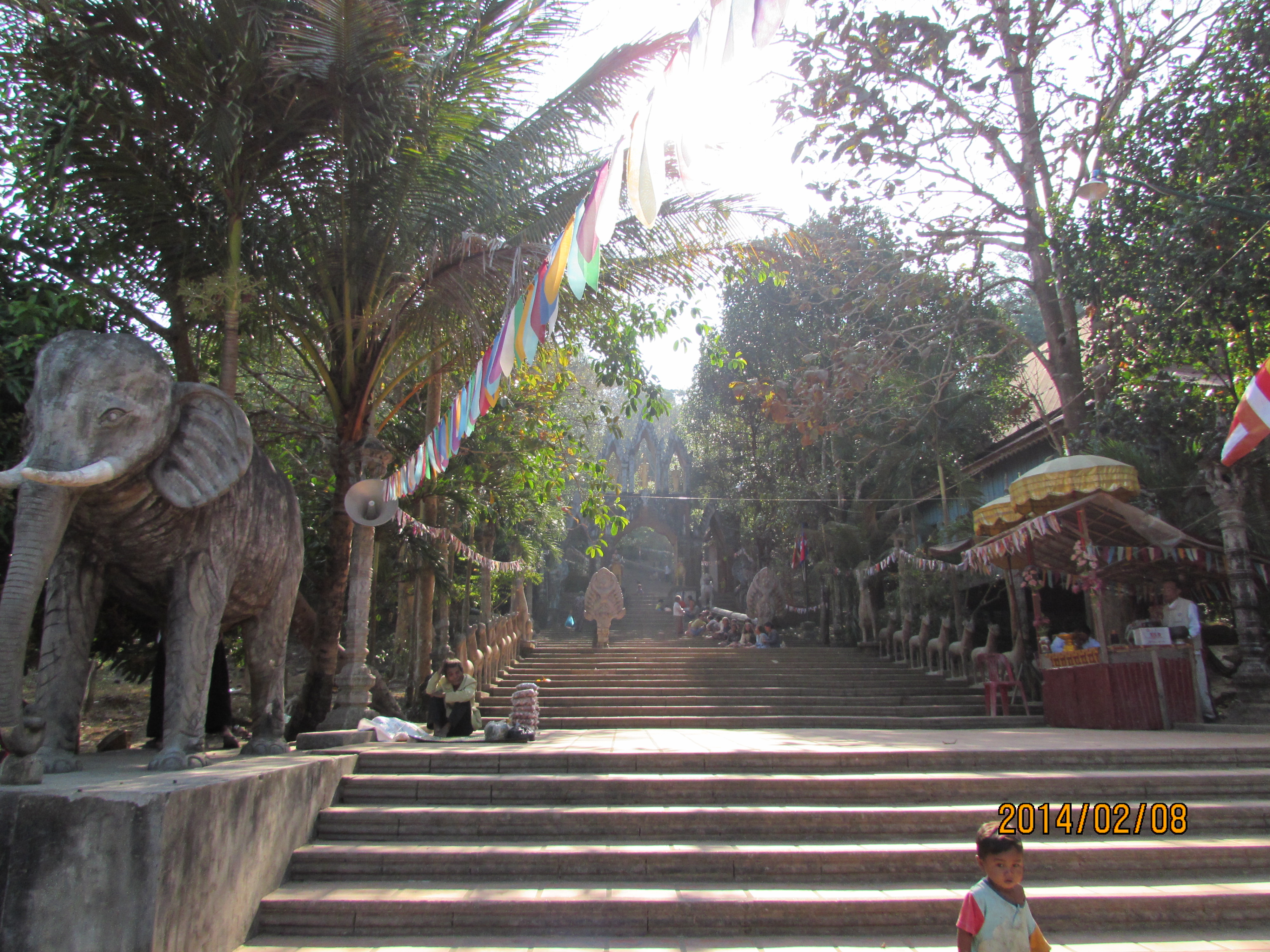



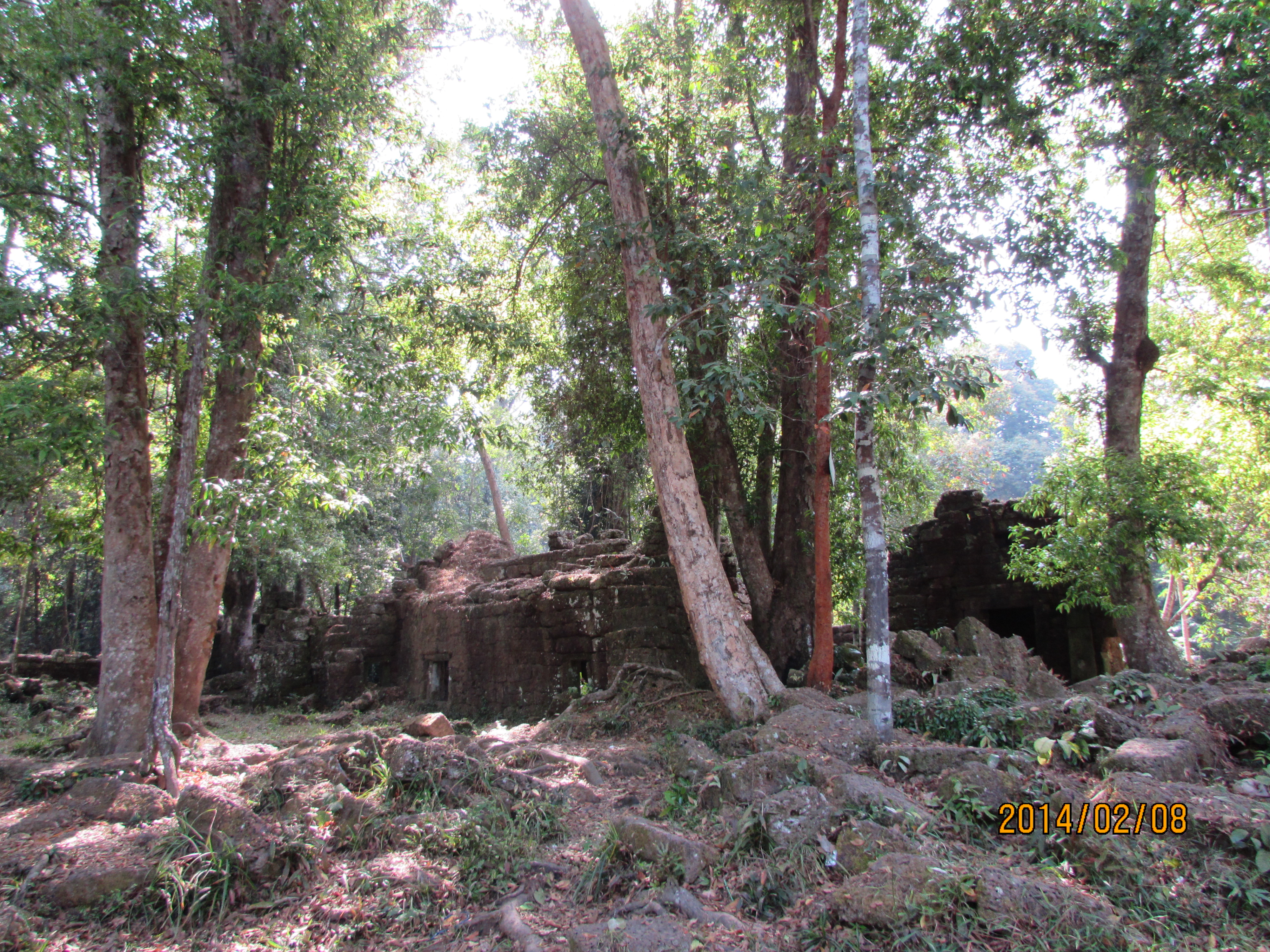





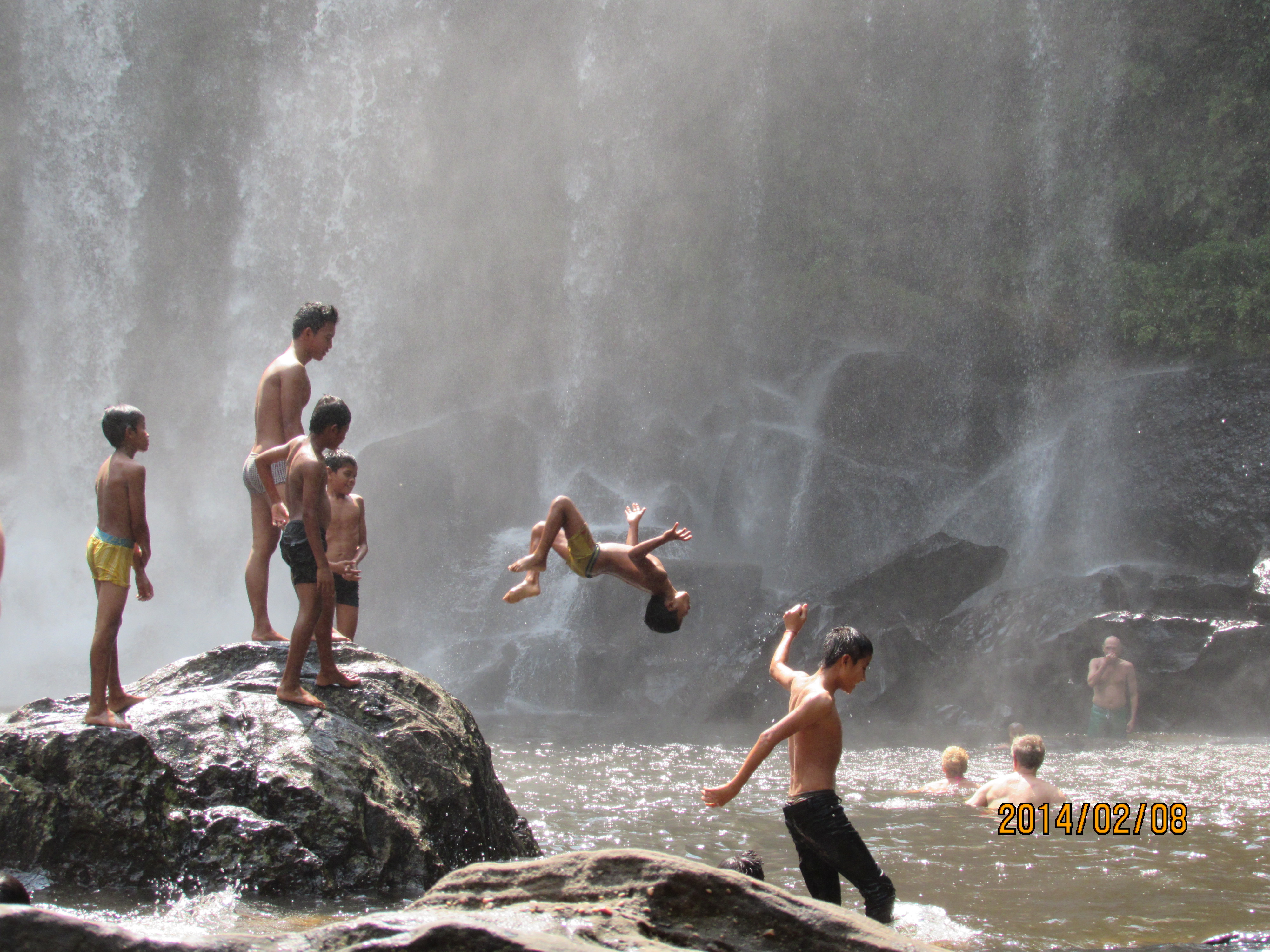

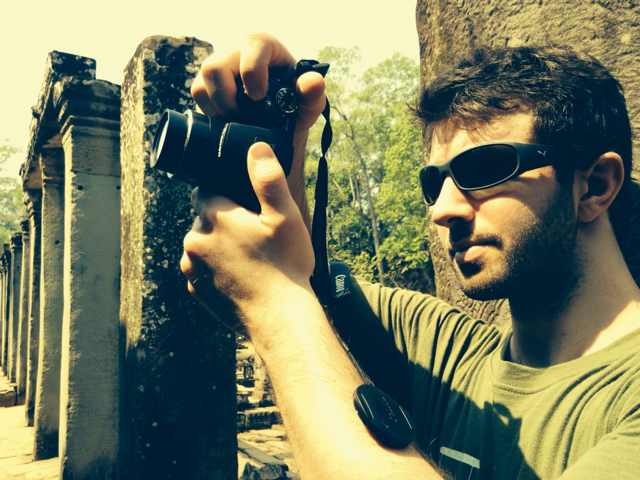


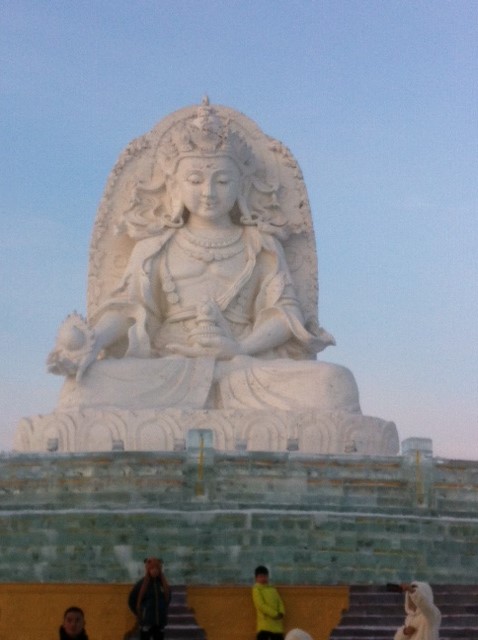

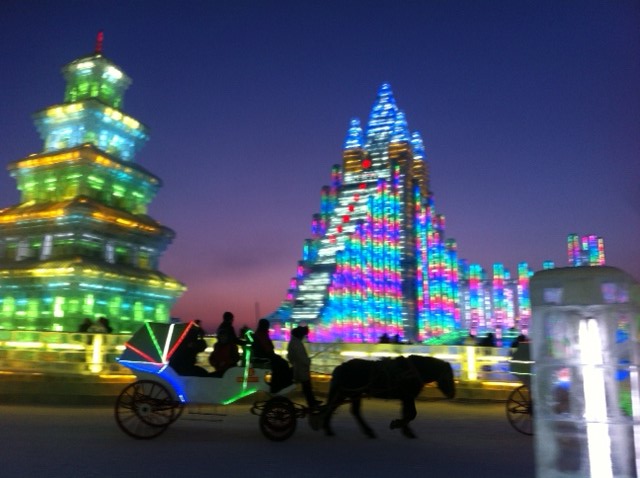



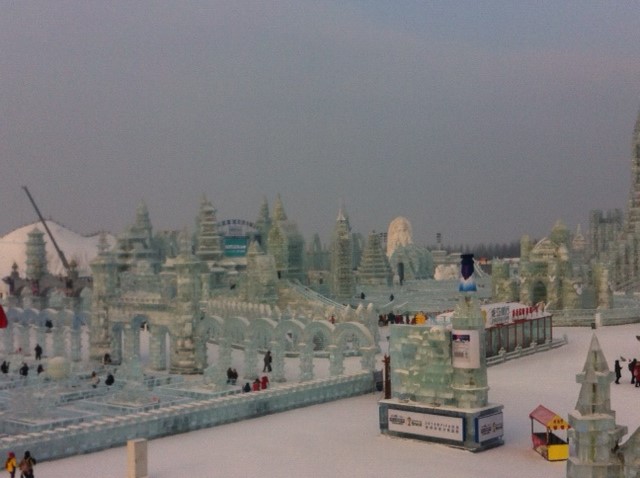





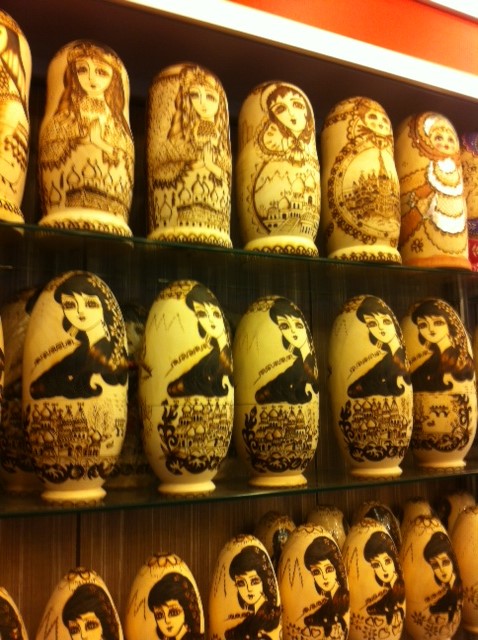


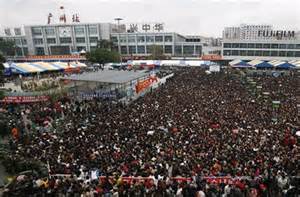


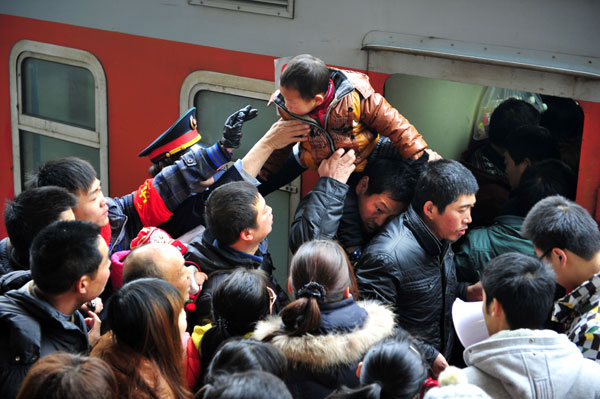
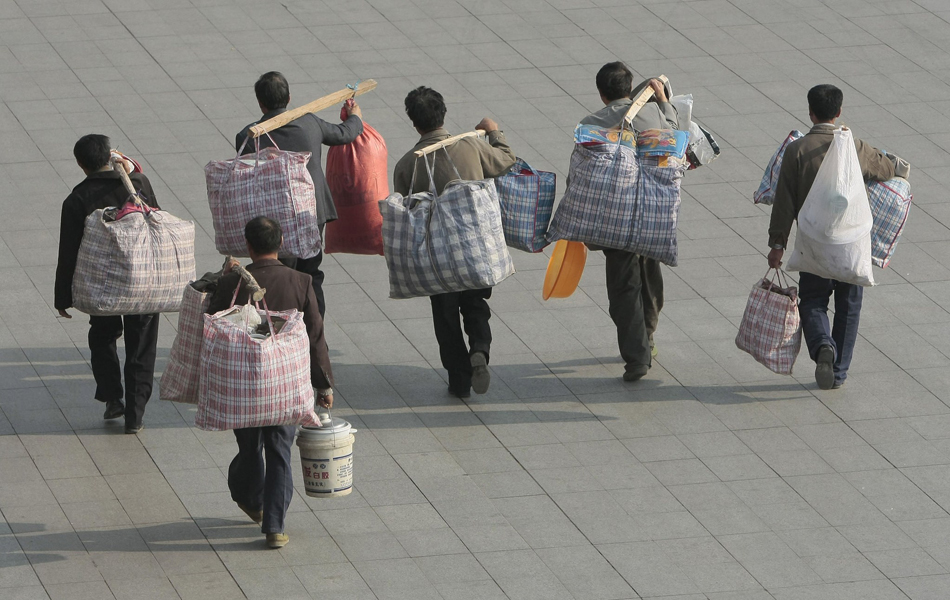
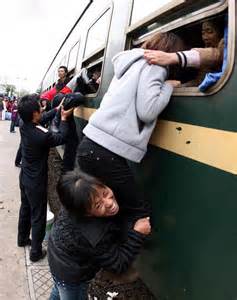
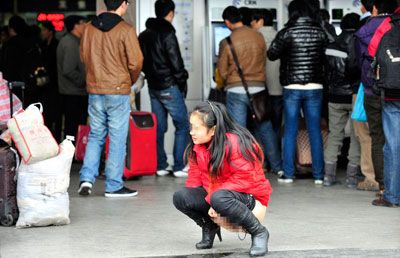






 Wandering But Not Lost